Waste and circular economyEvent
New Zealand: waste strategy 2023 – food waste collection in cities by 2030
In March 2023 the New Zealand government announced a waste strategy and collection standardisation: recycling in cities by 2027 and food waste collection by 2030, with a reduction in landfill methane.
Other language versions: polski.
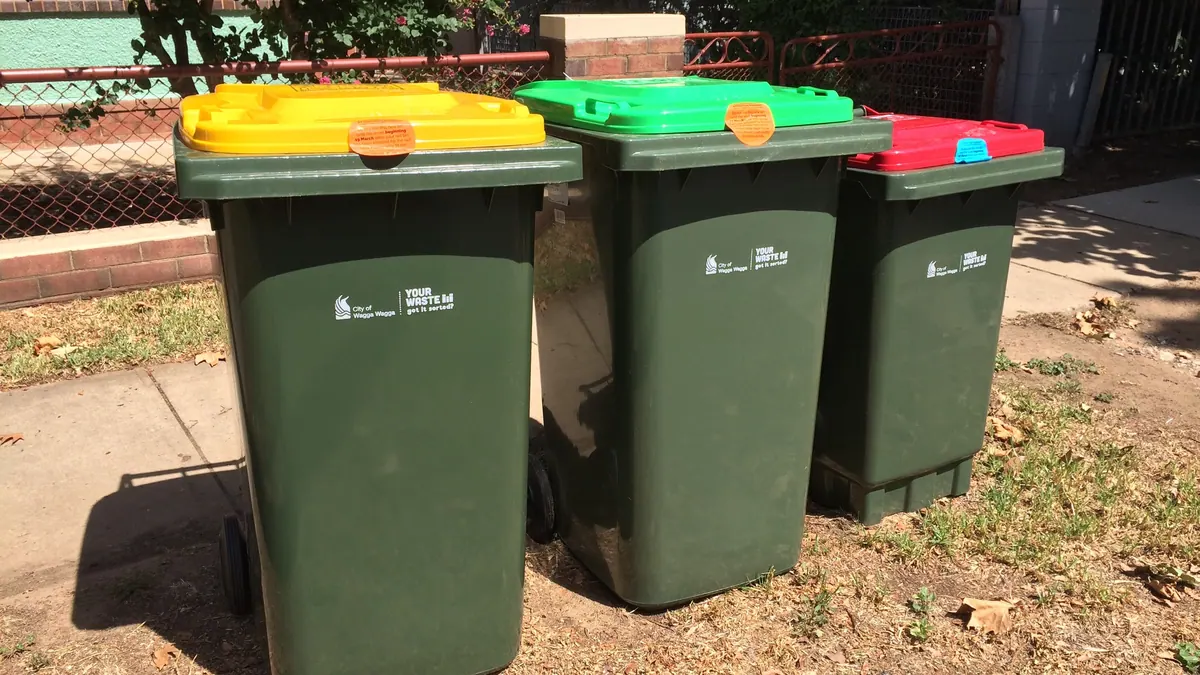
The New Zealand government presented on 29 March 2023 a new waste strategy, “Getting Rid of Waste for a Circular Aotearoa New Zealand”, and rules for standardising municipal waste collection. Households in urban areas are to receive a standardised recycling service by 2027 and food waste collection by 2030.
Rules for councils
According to RNZ, the proposal provided for a standardised recycling service in cities by 2027 and food waste collection by 2030. Ministry for the Environment guidance spoke of urban areas with at least 1,000 residents. Staggering the deadlines was meant to take into account that without processing capacity, collection makes no sense.
Scale of the problem
According to RNZ, waste accounted for 4% of New Zealand's gross emissions in 2019, and residents generate about 750 kg of waste per person per year, of which only about one third of household waste is recycled or composted. The decomposition of organics in landfill generates methane. The government expected that food waste collection would avoid emissions of about 45,000 tonnes of CO₂e of methane by 2035 – a small value on the scale of national emissions, but one of the low-cost reductions in the waste sector. The strategy also envisaged a new act to replace the Litter Act 1979 and the Waste Minimisation Act 2008.
What standardisation is
The government defined a standard set of materials collected nationwide under recycling. According to RNZ, from February 2024 councils are to accept only specified materials, including plastics of types 1, 2 and 5. Standardisation is meant to reduce communication confusion between councils and improve the quality of raw materials.
Link with biogas
Food waste collection facilitates the development of anaerobic digestion facilities, because it provides them with a stream of substrate. The first plant of this type, Ecogas in Reporoa, obtained a contract to take food waste from Auckland. The strategy creates a legal and political basis for repeating this model in other regions.
What this means for Poland
Poland already has a statutory obligation of separate biowaste collection. New Zealand sets deadlines centrally (food collection by 2030), and such deadlines may change (see the update). This is a useful pointer for municipalities: planning collection in parallel with a processing contract reduces the risk that the organic fraction ends up in landfill.