BiomethaneEvent
REPowerEU: the Commission bets on biomethane – a target of 35 billion m³ a year by 2030
On 18 May 2022 the European Commission presented the REPowerEU plan with a target of 35 billion m³ of biomethane a year by 2030 and a biomethane action plan, including an industrial partnership and support from the CAP.
Other language versions: polski.
On 18 May 2022 the European Commission presented the REPowerEU plan (COM(2022) 230), in which it set a target of producing 35 billion m³ of biomethane a year in the European Union by 2030. That is about ten times more than was produced in 2020. The plan contains a separate action plan for biomethane, covering the creation of an industrial partnership (Biomethane Industrial Partnership), support from EU funds and incentives for producers. For the biogas sector it is the strongest political signal so far at EU level.
What changes
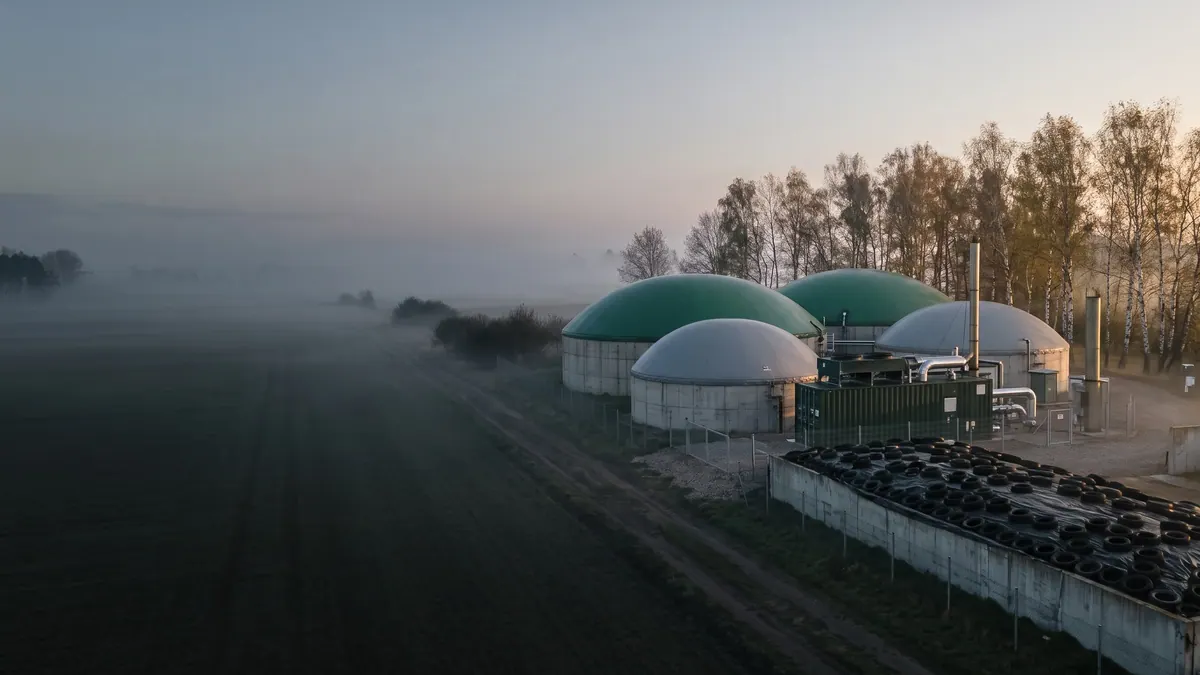
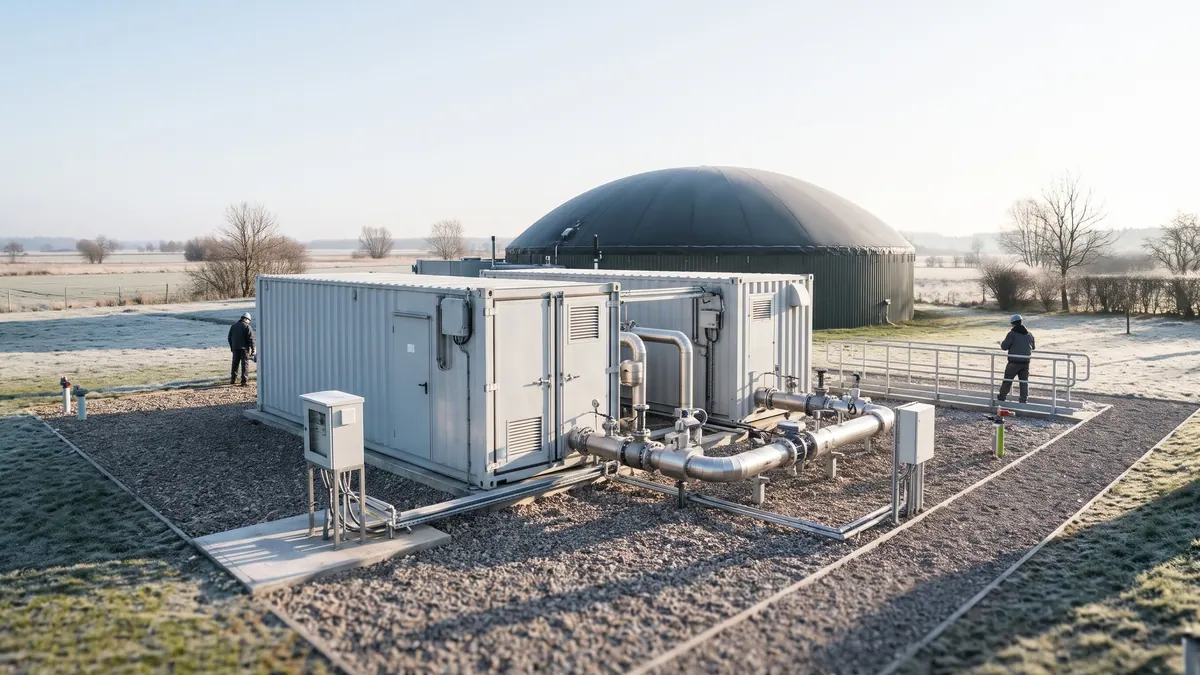
Biomethane, that is biogas cleaned to grid gas quality, is to replace part of natural gas, mainly Russian. The Commission points out that the target is ambitious but realistic if investment barriers are removed. The action plan lists, among other things:
- establishing an industrial partnership that is to bring together producers, grid operators, financial institutions and administration,
- mobilising funds from the Common Agricultural Policy, among other things for investment in biogas plants on farms,
- improving access to the grid and exchanging good practice in connection,
- a greater emphasis on the use of waste feedstocks, agricultural residues and manure,
- developing standards and certification, including common rules for guarantees of origin.
The Commission also points out that biomethane should go not only to heating but also to industry and transport, where it is hard to replace fossil fuels.
Significance for the industry in Poland
The target of 35 billion m³ is common to the whole Union; Member States will deliver it at different paces. Poland has large feedstock potential – manure, slurry, agri-food industry residues, municipal waste – but also very few biomethane installations. In May 2022 the legal basis for biomethane is still lacking: the amendment to the Act on Renewable Energy Sources, which is to introduce a definition of biomethane, a register of producers and guarantees of origin, is under way.
For investors this means that the rules of the game are changing. Funds from EU programmes can support agricultural projects, while at the same time requirements concerning the sustainability of feedstocks will increase. A well-prepared project based on slurry and waste, with a documented route for digestate, has an advantage in the queue for support.
Where the target comes from and how to understand it
The figure of 35 billion m³ is not a forecast but a political target. The European industry pointed out that the feedstock potential – agricultural waste, manure, biowaste, sludge, food industry residues – is sufficient, and that the constraints are rather procedures, financing and access to the grid. In practical terms this means the need to build several hundred new installations a year across the Union and to modernise some existing biogas plants from cogeneration to upgrading. It is important that the target does not become a pretext for abandoning sustainability criteria: biomethane from agricultural feedstocks must meet requirements limiting competition with food production.
What next
In the coming months the Commission will present the details of the industrial partnership and begin implementing the action plan. Member States should identify national targets and support mechanisms. For Poland, three steps will be key: adopting rules on biomethane, clear rules on connection to the gas grid, and a programme of co-financing investment that also takes small and medium-sized farms into account.
Sources
Questions and answers
How much biomethane did Europe produce when the plan was announced?
According to industry estimates, the EU produced several billion m³ of biomethane a year; the target of 35 billion m³ by 2030 means roughly a tenfold increase relative to the 2020 level.
Related articles