BiomethaneEvent
Biomethane Industrial Partnership launched: the Commission and industry together for 35 billion m³ of biomethane
On 28 September 2022 the European Commission and industry leaders launched the Biomethane Industrial Partnership (BIP), a cooperation platform intended to help reach the target of 35 billion m³ of biomethane by 2030.
Other language versions: polski.
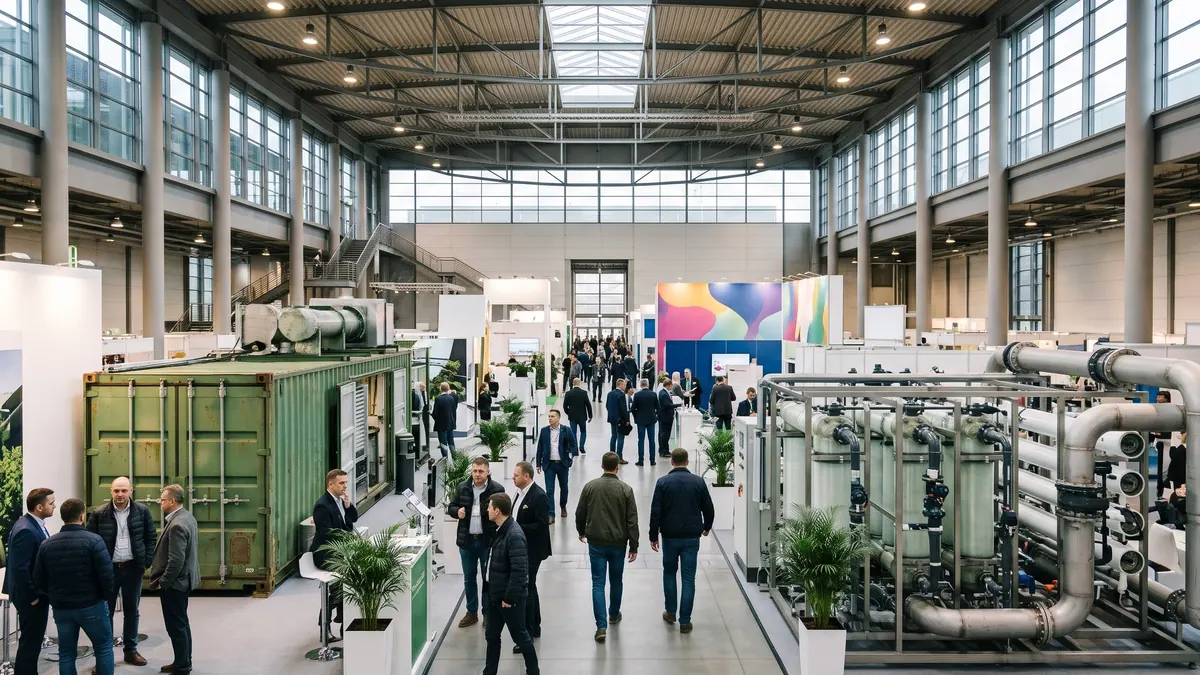
On 28 September 2022 the European Commission and industry representatives launched the Biomethane Industrial Partnership (BIP), a partnership intended to support the development of biomethane production and use in the European Union. The initiative stems from the REPowerEU plan, in which the Commission set a target of 35 billion m³ of biomethane a year by 2030. The ceremonial launch took place during the European Sustainable Energy Week.
What is changing
BIP is a voluntary forum, not a new legal instrument. It brings together representatives of the Commission, Member States, producers, grid operators, technology suppliers and financial institutions. Its task is to identify the barriers that slow the construction of biomethane installations, to exchange good practice and to develop recommendations for decision-makers. The partnership is to work in working groups devoted to, among other things, regulation, financing, feedstocks, technologies and integration with the gas system.
The intention is for BIP to help launch investment in three areas: availability of feedstocks (including waste and residues), grid connection, and stability of support.
Significance for the industry in Poland
For Poland the partnership offers the opportunity to take part in the European dialogue that shapes biomethane policy. Polish producers, operators and institutions can present their needs, including simplification of siting procedures, regulation of connections and the system of guarantees of origin. New experience from other countries, Denmark, France, Italy and Germany, can serve as a model in creating national rules.
From the perspective of the domestic market, BIP is a signal that biomethane will be the subject of continuing EU policy attention. This allows investors to expect further funding programmes and requirements on sustainability and reporting.
How it may work in practice
Partnerships of this kind do not distribute money, but organise knowledge. From a practical point of view this means reports on barriers to connection, compilations of good practice in support systems, feedstock maps and recommendations for the Commission. For producers and grid operators it is also an opportunity to exchange information on costs and technologies: biogas upgrading, grid injection, liquefaction and digestate management.
Who takes part
The partnership includes representatives of EU institutions, industry associations, gas grid operators, technology producers and financial institutions. This composition is meant to ensure that the recommendations take into account both the regulatory perspective and investors' practice. For smaller countries, including Poland, taking part in the work is sometimes an opportunity to present local barriers and needs.
What next
In the coming months the working groups are to present recommendations and reports. Much depends on whether Member States set national targets and support mechanisms. In Poland three issues will matter most for the industry: the adoption of rules on biomethane, clear rules for connecting installations to the grid, and investment financing programmes, including from EU funds.
Sources
Related articles