Irish biomethane producer Clonbio in receivership. A dispute over cheap imports
The Irish company Clonbio Green Gas went into receivership in March 2025. The company claimed it cannot withstand competition from cheap imports of biofuels from South-East Asia.
Other language versions: polski.

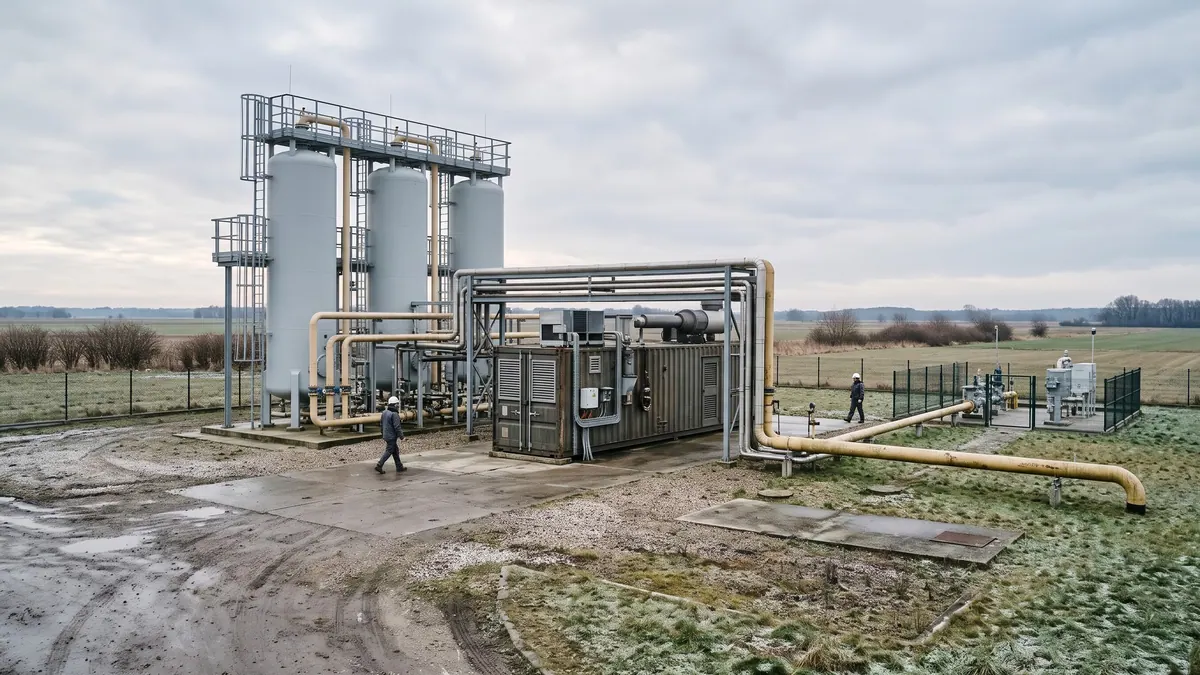
The Irish company Clonbio Green Gas, a biomethane producer, went into receivership in March 2025. The state-owned Irish Strategic Investment Fund (ISIF) appointed KPMG as receivers; the company owed the fund more than EUR 12 million, secured on its assets. In a statement the company stressed that it is increasingly difficult to compete with cheap imports of biofuels from South-East Asia.
What the company said
According to reports, the company argued that businesses seeking to meet regulatory requirements choose cheaper imported biofuels instead of domestic biomethane. It added that no department or state agency buys a single litre of domestic biogas. The receivers may continue operations if they judge that this is in the creditors' interest.
It must be stressed that these are statements by parties involved in the case: the accounts do not settle to what extent the company's failure resulted from import competition and to what extent from other factors, such as financing costs and project risk.
Why this matters
The Clonbio example shows the risks of young biogas markets: capital-intensive investments, dependent on regulation and demand, are sensitive to policy changes and to competition from fuels in other segments (for example biodiesel from waste oils). In transport, where renewable obligations can be met with different fuels, a biomethane producer competes for the same value market as suppliers of other biofuels. What is key, then, is how a country designs its obligations: whether it favours gaseous fuels, or allows the "cheapest" way of meeting the target.
Significance for the industry in Poland
Poland is introducing at the same time the National Indicative Target in transport (14.9% in 2030) and counts biomethane as a fuel eligible for the target. The Irish example is a warning: counting biomethane towards the target is not enough if cheaper alternatives are available on the market and there is no predictable demand. For Polish investors this means the need to secure offtake agreements with a long term and diversified off-takers – not only transport, but also industry and export.
Oversight of certification is also important: the better the tracking and verification system works (the Union Database, guarantees of origin), the harder it is to place batches of doubtful origin on the market.
What next
The receivers may continue the company's operations if they consider this beneficial for the creditors. For Polish investors the conclusions are practical: it is worth securing offtake agreements with a long term and diversified off-takers, and following how the law recognises different fuels in meeting targets. Until the circumstances of the failure are known, the assessment of the causes remains preliminary.
Sources
Related articles