Law and regulationEvent
Thailand: FiT 2022–2030 — biogas from wastewater and waste at 2.0724 baht/kWh
The regulator ERC announced the FiT rules for 2022–2030 on 27 September 2022. Biogas from wastewater and waste receives 2.0724 baht/kWh and is given priority for grid connection.
Other language versions: polski.
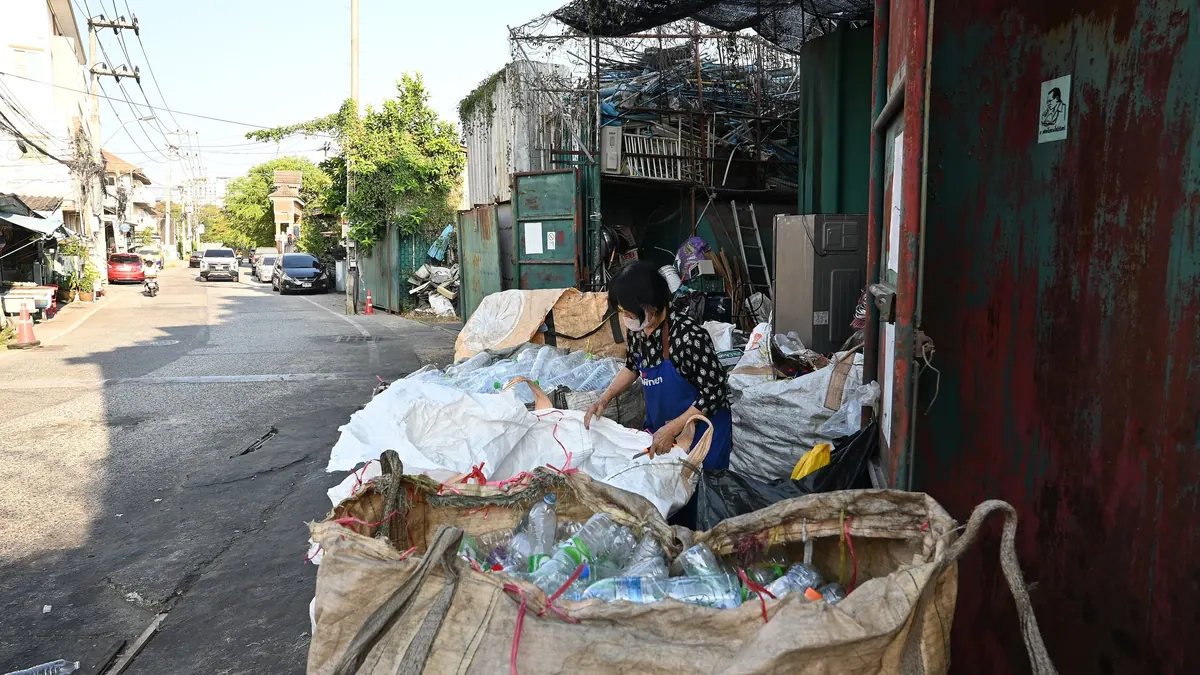

In 2022 Thailand announced a FiT programme for 2022–2030 for new power plants with no fuel cost line. For biogas from wastewater and waste the rate is 2.0724 baht per kWh, and the programme gives such projects priority for grid connection.
Programme rules
The Energy Regulatory Commission (ERC) issued the regulations on 27 September 2022. The programme covers up to 5,203 MW across four project types: biogas (wastewater and waste), ground-mounted photovoltaics, photovoltaics with energy storage and wind. Size categories: VSPP (very small power producers) up to 10 MW and SPP above 10 MW up to 90 MW. All types except photovoltaics with storage have non-firm power purchase agreements.
FiT rates
| Technology | Baht/kWh |
|---|---|
| biogas (wastewater, waste) | 2.0724 |
| ground-mounted photovoltaics | 2.1679 |
| ground-mounted photovoltaics with storage | 2.8331 |
| wind | 3.1014 |
Projects in the southern border provinces (Yala, Pattani, Narathiwat and selected districts of Songkhla) receive an additional 0.50 baht/kWh.
Timetable
Connection applications by 28 October 2022, application window from 4 to 25 November 2022, list of qualified projects on 2 December 2022, results of the technical evaluation on 18 January 2023, announcement of selected projects by 15 March 2023.
What is new
Biogas rates have fallen compared with earlier programmes: law-firm summaries from 2019 gave about 3.76 baht/kWh for waste biogas. The comparison is approximate, because the programmes differed in scope and support period. The contract term is not stated here.
Related: our post on the AEDP targets and the development of biogas from wastewater and manure in Thailand.
Implications for investors
The rate of 2.0724 baht/kWh is lower than the historical 3–4 baht for biogas, but the programme gives priority for grid connection, which, where grid capacity is limited, can matter as much as the price. It is worth remembering that non-firm contracts mean there is no guarantee of offtake in every hour, and that an application goes through a multi-stage technical evaluation. For wastewater-based projects (for example from agri-food processing), the key is therefore to combine a cost-effective substrate with the possibility of connecting to the grid.
Sources
Questions and answers
What capacity is planned for biogas in the Thai FiT 2022–2030?
According to a summary by the law firm Watson Farley & Williams, the annual purchase targets for biogas are five values: 75, 75, 75, 70 and 40 MW (335 MW in total), and the summary does not unambiguously assign them to years.
Related articles