bp acquires Archaea Energy for USD 4.1 billion. Landfill gas and biogas at the centre of oil majors' attention
On 17 October 2022 bp announced its intention to acquire the American renewable natural gas producer Archaea Energy for about USD 4.1 billion. It is one of the largest transactions in the biogas sector.
Other language versions: polski.
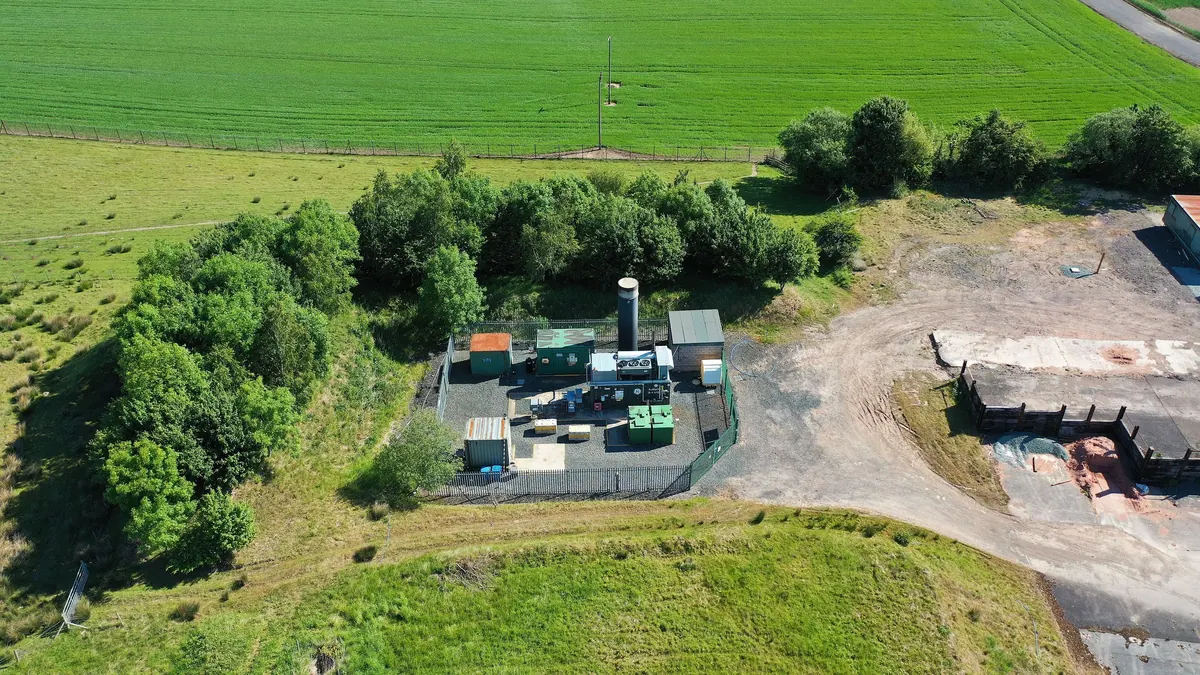

On 17 October 2022 the company bp announced that it would acquire the American renewable natural gas producer Archaea Energy. The price is about USD 26 per share in cash, and the enterprise value, including net debt, was estimated at about USD 4.1 billion. The transaction still requires approval from regulators and Archaea shareholders. It is one of the largest transactions in the history of the biogas sector.
What is changing
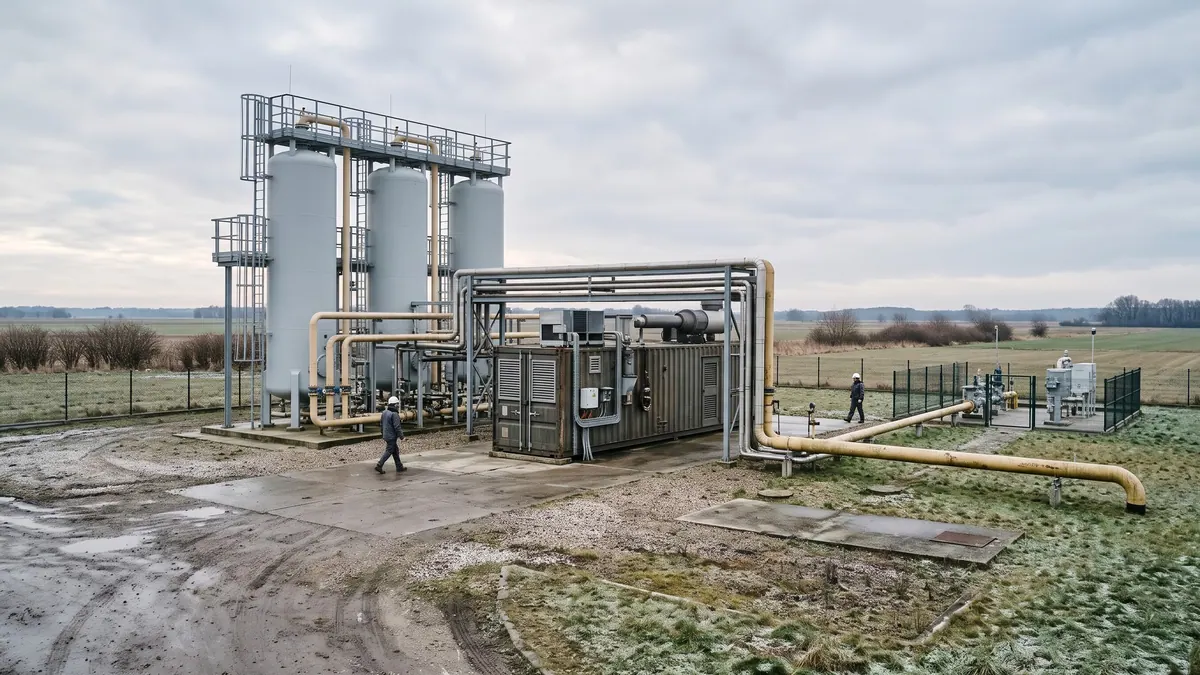
Archaea Energy specialises in capturing and upgrading gas from landfills and in producing renewable natural gas (RNG). In the USA, RNG is sold mainly as a transport fuel, benefiting from federal and state fuel programmes. The acquisition strengthens bp's position in the low-carbon gas segment and allows the company to make use of existing contracts, markets and infrastructure.
The event is an indicator that fuel companies treat biomethane as a real element of their transition strategy, and not just a niche product. Interest in such assets is growing with high gas prices, tax incentives and tightening climate regulation.
Significance for the industry in Poland
In Poland, landfill gas is recovered at many landfills, mainly to produce electricity and heat. The possibility of upgrading it to biomethane is currently limited by the lack of a full legal framework and by gas quality, but interest in such projects will grow. Large transactions abroad show the value of assets which in Poland are still poorly valued, and signal the interest of strategic investors.
For owners of biogas installations the transaction shows several things: first, there is demand for large asset portfolios; second, value is created by long-term contracts and regulatory support; third, operating experience and access to the transport fuel market are a competitive advantage.
Why RNG is attractive to oil majors
Renewable natural gas has several features that appeal to large fuel companies: it uses existing pipelines, can be sold as a fuel with a low carbon footprint, and its market value is supported by incentive systems. At the same time revenues depend on regulation and on certificate prices, which means that the ability to manage regulatory risk counts in the business model. This is a lesson for Europe as well, where the market for certificates and guarantees of origin is only now being harmonised.
Comparison with the Polish scale
The scale of American RNG projects is many times greater than that of Polish ones: individual landfills produce gas in quantities sufficient to supply large upgrading installations. In Poland landfill gas is used mainly locally in engines, and its potential depends on methane content and landfill closures. Despite the differences, the investment logic is similar: a large, stable source of gas and a long-term offtaker.
What next
The acquisition requires antitrust approvals and shareholder approval. The industry will watch whether other companies, including European ones, make similar moves and whether the scale of investment in biogas and biomethane increases. For Polish operators this means increased competition for technology and capital, but also an opportunity for partnerships with large players.
Sources
Related articles