BiogasAnalysis
Thailand: biogas from industrial wastewater and manure. AEDP targets and capacity up to 2016
Thailand developed biogas mainly alongside agri-food industry and farms. In October 2016, 412 MW of installations were operating, and the 2015 AEDP plan envisaged 600 MW from wastewater and manure and 680 MW from energy crops by 2036.
Other language versions: polski.
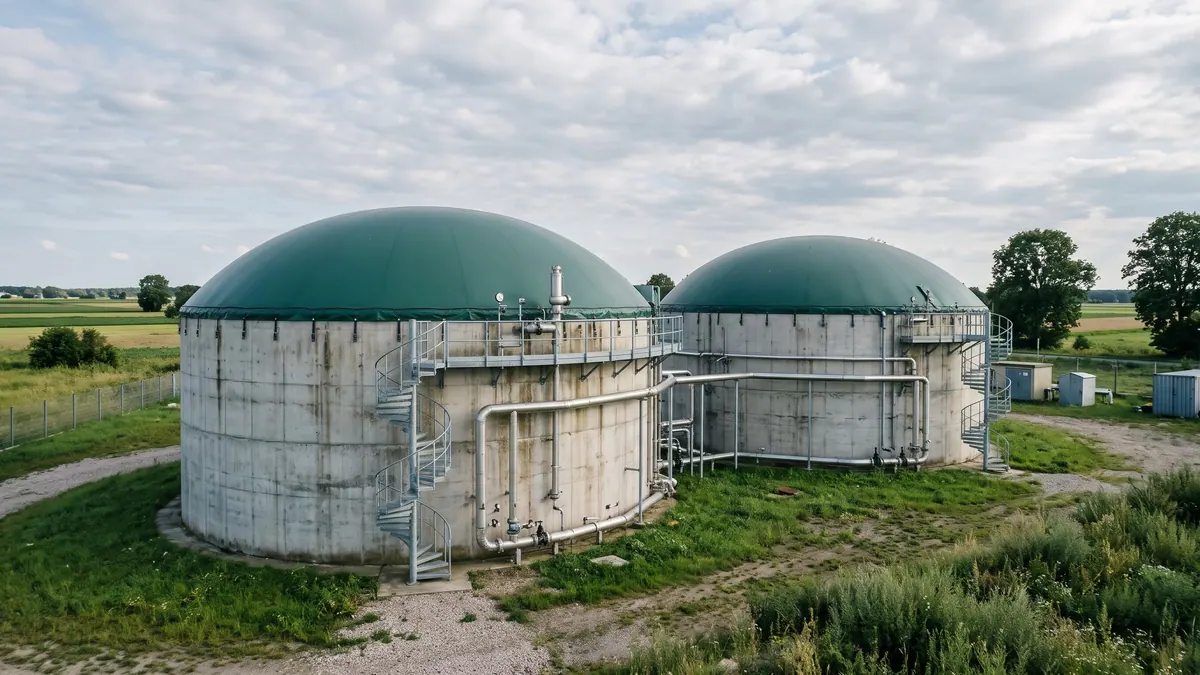
Thailand is among Asia's leaders in biogas production from agri-food industry waste and from farms. According to papers by the German-Thai technical cooperation, the installed capacity of biogas plants rose from 275 MW at the beginning of 2014 to 412 MW in October 2016. The entry describes data from 2013–2017; it does not present the current state of the market.
Structure of the sector
According to the register of the Energy Policy and Planning Office (EPPO) of December 2013, cited in the 2014 Policy Briefing, the country had 1,568 biogas installations with a combined annual production of about 1,523 million m³ of biogas. The largest gas volumes came from "other" installations (427 million m³ per year) and cassava starch plants (59 installations, 386 million m³), followed by installations at ethanol production (21 installations, 263 million m³) and oil mills (88 installations, 211 million m³). In addition there were installations at pig farms (divided in the register by support phases, including 271 in 2008–2012) and 575 small farms. The authors cautioned that the figures may contain double counting, and that installations without support are not monitored.
According to these papers, development had been supported since the 1990s by a supplementary tariff (the so-called adder, i.e. a premium on the energy price), tax relief and investment grants, directed mainly at waste from pig farms and from the starch, palm oil and sugar industries. The 2017 bulletin shows that in October 2016 the total capacity was 412 MW, of which at least 293 MW was sold to the grid under PPA agreements. The DEDE list of November 2016 counted 156 biogas plants connected to the grid with a combined installed capacity of 344.31 MW, of which the largest number of installations was in the central region (59), and the southern region had the largest capacity (51 installations, 152.22 MW).
AEDP targets
The Alternative Energy Development Plan (AEDP) for 2015–2036, approved by the National Energy Policy Council in September 2015, provided for biogas 600 MW of electrical capacity from wastewater and manure and an additional 680 MW from energy crops by 2036. The plan also assumed 1,283 ktoe of biogas for heating purposes and 4,800 t per day of compressed biogas (CBG) for transport. Earlier, in 2013, Thailand had raised its biogas target from 600 MW to 3,600 MW by 2021, of which 3,000 MW was to come from energy crops; in AEDP 2015 the target for energy crops was lowered to 680 MW.
Energy crops
Under an earlier programme, 12 pilot projects with Napier grass of up to 1 MW each were selected; the budget was 260 million THB. The programme was suspended in July 2014, after the military junta NCPO took power, as part of a decision to end 21 programmes financed from the ENCON Fund because of "irregularities in the allocation of funds". According to a 2014 DEDE assessment, the remaining biogas potential was about 18,700 million m³ per year, of which 15,772 million m³ was attributable to energy crops and only 2,927 million m³ to unused agricultural and livestock waste. This means that the waste potential had already been largely exploited.
Why biogas developed alongside industry
Biogas installations at processing plants have a stable feedstock supply — the waste arises where there is a demand for energy — and low logistics costs. The 2017 bulletin judged that the biogas potential from agricultural and industrial waste (mainly sugar mills, starch, palm oil, pig and poultry manure) is already largely exploited, so new support programmes were directed at energy crops and alternative feedstocks, municipal waste and compressed biogas in transport.
Example: a cassava starch plant
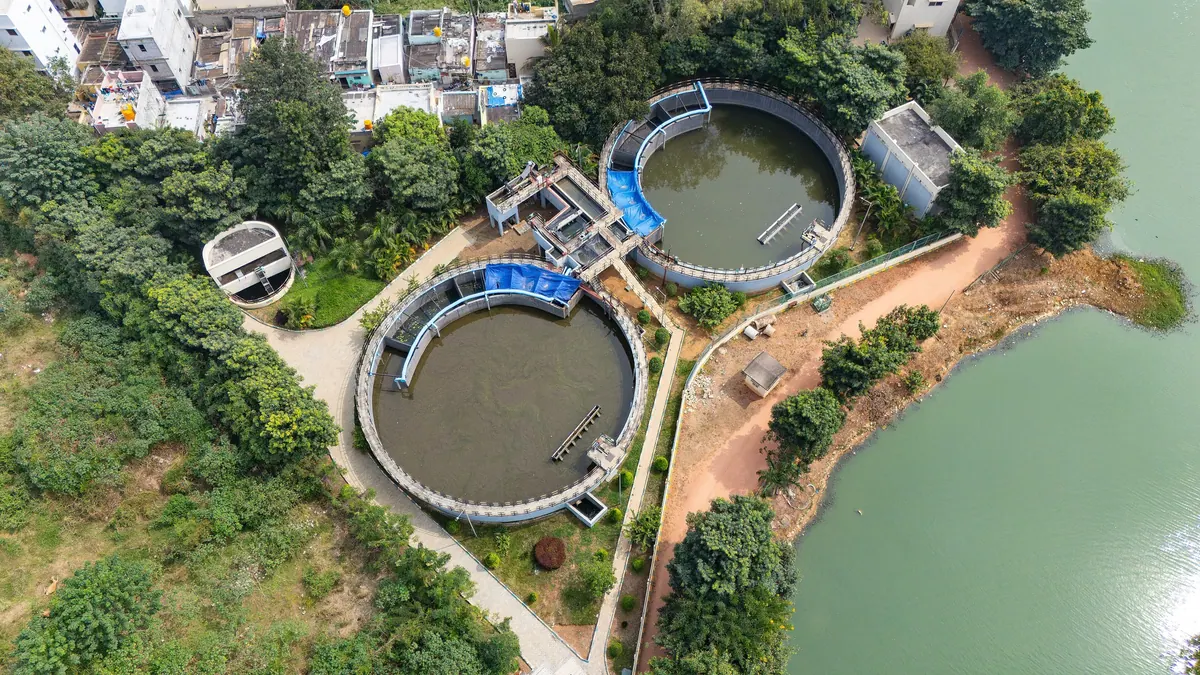
According to a Jenbacher case study, the Wangdee biogas power plant in Kamphaeng Phet province is fuelled by wastewater and solid waste from cassava starch production. The first unit with a Jenbacher engine was commissioned in 2015. The manufacturer's website contains inconsistent information on the number of engines and the capacity, so we do not give these values.
What we do not know
We rely on data from 2013–2017 and on the 2015 AEDP plan. We do not have current statistics on capacity or tariffs, nor did we check later versions of the AEDP plan. We do not give specific tariff rates because we have not verified them in the texts of the regulations.
Conclusions for designers
When estimating biogas potential in developing countries, it is worth starting with waste and wastewater from the food industry: they are concentrated, generated by entities able to invest and often burdened with treatment costs. Energy crops require an entire supply chain from the outset and compete for land. Thailand's experience — lowering the target for energy crops from 3,000 to 680 MW — illustrates this well.
What this means for Poland and Europe
The Thai experience shows that waste-disposal biogas plants at agri-food industry developed faster than projects based on energy crops. For Poland this is an argument for giving priority to industrial waste and wastewater in biogas policy, in line with the general European trend.
Sources
Related articles