BiogasExplainer
Biogas from sewage sludge in Japan: how much gas is used and what the B-DASH programme delivered
In fiscal year 2004 Japanese wastewater treatment plants produced about 290 million m³ of biogas, of which only 20% was used to generate electricity. A review of data and of the B-DASH demonstration programme (since 2011).
Other language versions: polski.
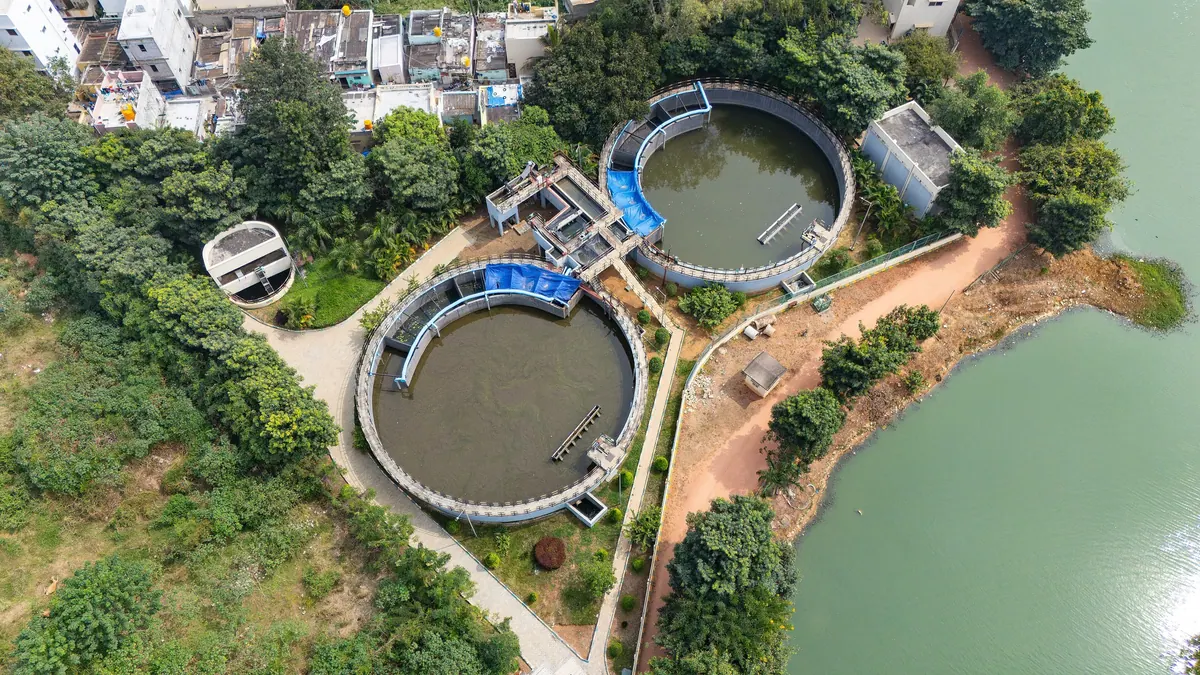

Japanese wastewater treatment plants have long digested sludge, but a considerable part of the biogas produced was not used for energy. According to a compilation by Japan for Sustainability (JFS, 2008), in fiscal year 2004 about 290 million m³ of biogas was produced in Japan's sewerage systems. Of this quantity, 30% was used to heat digesters, 20% to generate electricity, 22% for other purposes, and 28% was not used.
What the data from the 2000s say
Sludge biogas has been used in Japan to produce electricity since 1984. In fiscal year 2004 this gave a total electricity generating capacity of about 21,000 kW, which corresponded to about 1% of electricity consumption at sewerage facilities in the country. All sewerage then consumed about 7 billion kWh per year (about 0.7% of national consumption). At the Morigasaki plant in Tokyo, sludge is thickened and digested thermophilically (about 50°C), and since April 2004 the methane has powered generators with a capacity of 3200 kW, covering roughly half of the plant's electricity demand and cutting electricity costs by about 600 million yen per year.
Sludge as biomass
JFS reports that in fiscal year 2004 about 75 million t of sludge was generated (before dewatering, 97% water), and the recycling rate of sludge as biomass rose from 38% in fiscal year 1996 to 70% in 2005. Recycling covers not only energy but also fertilisers, soil improvers and building materials. It was estimated that the energy recovered from organic substances in sludge in fiscal year 2005 corresponded to about 1.04 million kl of oil equivalent, and that the calorific value of solid fuels from sludge is similar to low-grade coal. In Fukuoka the Mikasagawa plant has produced BDF fuel since the end of fiscal year 2000 (sludge mixed with used cooking oil, dried under reduced pressure; in fiscal year 2007 about 2300 t), and the company J-Power confirmed in trials that the maximum share of BDF in co-firing with coal is 1%. For example, the Sunamachi centre in Tokyo has since November 2007 been processing sludge into solid fuel (up to 300 t of dewatered sludge per day), which is co-fired with coal at the Nakoso power plant.
Biomethane in Kobe
The city of Kobe upgraded biogas from the Higashinada treatment plant to a quality of about 98% methane by pressurised water absorption (previously about 30% of the gas was flared). Biogas with a composition of about 60% methane and 40% CO₂, with small amounts of siloxanes and hydrogen sulphide, was turned into "Kobe Biogas" fuel. The plant, where full operation began in April 2008, produces 2000 m³ per day, which is enough to fuel 40 city buses travelling 50 km per day; this makes it possible to reduce emissions by about 1200 t CO₂ per year.
B-DASH: demonstrations instead of general subsidies
The B-DASH programme (Breakthrough by Dynamic Approach in Sewage High Technology) was launched by MLIT in fiscal year 2011, and the institute NILIM is its implementing body. According to NILIM, in fiscal year 2011 two technologies concerning biogas recovery were selected: (1) an energy management system with intensive solid-liquid separation, which generates electricity in a hybrid fuel cell from raw sludge biogas; (2) a renewable energy production system for transport fuel, in which the collection of biogas from local sources (for example food waste) is increased, a steel digestion tank is heated and the biogas is upgraded in a packaged installation. NILIM prepared guidelines for implementing these technologies for local authorities and operators; they were presented on 2 August 2013 at Tokyo Big Sight.
Conclusions for Poland
The Japanese experience shows that: (1) even in a technologically advanced country, a considerable part of the biogas from sludge (in 2004, 30%) went to heating the digester, and 28% was not used — this is potential for efficiency improvement; (2) demonstration programmes such as B-DASH facilitate the spread of upgrading and cogeneration technologies; (3) data on actual biogas use must be collected regularly — otherwise the discussion of potential rests on estimates from years ago. The data cited in the entry come from fiscal year 2004, so they do not describe the current state.
Sources
Questions and answers
Are the data in the article up to date?
Not entirely. The figures on biogas use refer to fiscal year 2004 (JFS, 2008), and the description of B-DASH dates from 2013–2014; they should be treated as a picture of proportions, not the current state. Current statistics are published by MLIT.
Related articles