Agreement on CBAM: fertilisers, steel, cement and hydrogen covered by a carbon charge at the border
On 13 December 2022 Parliament and the EU Council reached a provisional agreement on the CBAM mechanism. The transitional period is to start on 1 October 2023, and the full system from 2026. Fertilisers are in scope.
Other language versions: polski.

On 13 December 2022 negotiators of the European Parliament and the EU Council reached a provisional agreement on the EU CO₂ border adjustment mechanism (CBAM). The mechanism is intended to equalise the cost of emissions in imports and in EU production. The scope covers, among others, cement, steel, aluminium, fertilisers, electricity and hydrogen. The transitional period, in which importers will only report emissions, is to start on 1 October 2023, and payments from 2026.
What is changing
CBAM is meant to protect against so-called carbon leakage: a situation in which production moves to countries with less stringent climate requirements. Importers of goods covered by the mechanism will have to buy CBAM certificates corresponding to the emissions embedded in the good, at the EU ETS allowance price. In parallel, free allowances for domestic industry will be gradually phased out. The transitional period is intended to allow the reporting system to be put in place.
For the agri-food sector the key point is the scope covering fertilisers, especially nitrogen ones, which are produced with high consumption of natural gas. This means that imports of fertilisers from countries without emission charges will become more expensive.
Significance for the industry in Poland
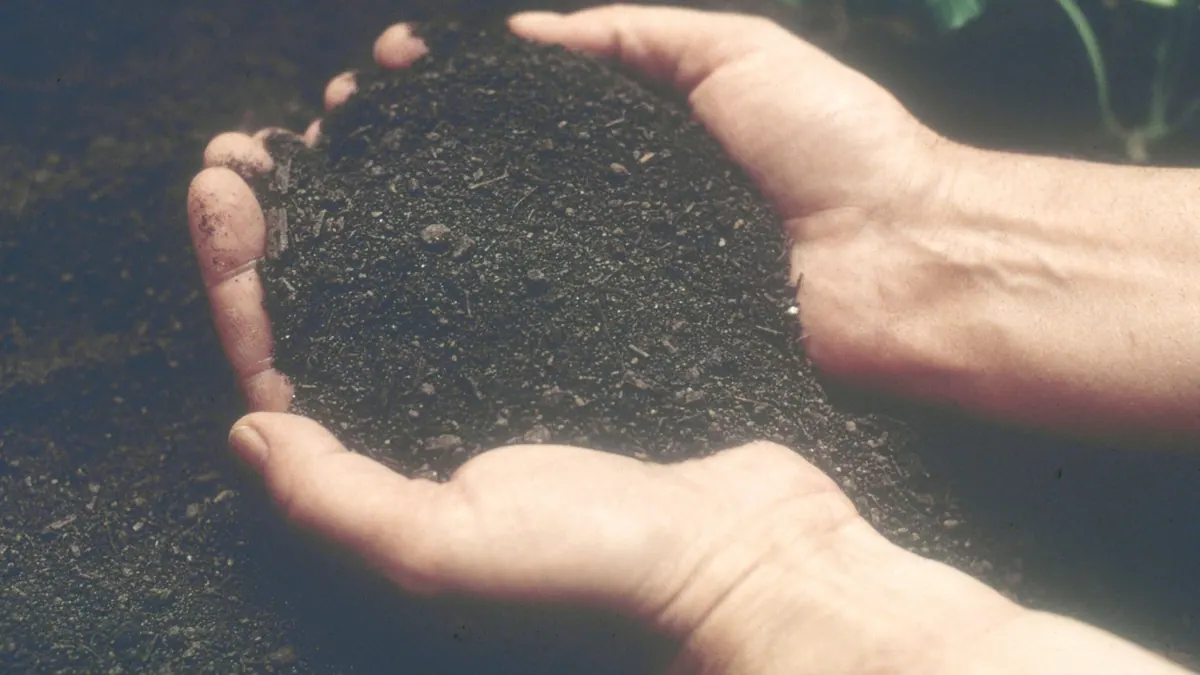
Poland is an important market for nitrogen fertilisers and a producer of them, and farmers are sensitive to their prices. CBAM introduces another factor pushing up mineral fertiliser prices over the medium term. For biogas plants this potentially means greater attractiveness of digestate as an organic fertiliser containing nitrogen, phosphorus and potassium and organic matter.
It is worth remembering the limitations: digestate will not replace mineral fertilisers in all applications, and its use requires logistics, storage and compliance with the nitrate rules. Even so, rising fertiliser prices and climate requirements increase interest in organic fertilisers and those made from waste.
What to watch in practice
The transitional period means a reporting obligation, but not yet payments. Importers will have to collect data on the emissions embedded in fertilisers, which will increase market transparency. Farmers should expect fertiliser prices to be shaped also by emission costs. For biogas plants selling digestate it is important to document its composition and fertilising potential in order to interest customers who compare costs with mineral alternatives.
What about gas as a fertiliser feedstock
The production of ammonia, from which nitrogen fertilisers are made, consumes large amounts of natural gas. Gas and emission allowance prices therefore directly affect the cost of fertilisers. CBAM equalises these costs for imports as well. Using biomethane as a feedstock in ammonia production is technically possible, but for now it remains the subject of pilots, not widespread practice.
What next
The agreement requires formal approval by Parliament and the Council, which is to take place in 2023. Fertiliser importers and producers are preparing emission reporting systems. For farmers and digestate producers it is important to follow fertiliser prices and programmes supporting organic fertilisation and the circular economy.
Sources
Related articles