The German EUR 5 billion industrial decarbonisation scheme admits biomethane
The German EUR 5 billion aid scheme in the form of carbon contracts for difference (15 years) supports fuel switching in industry; the technologies named include biomethane, electrification, hydrogen, CCS and heat recovery.
Other language versions: polski.
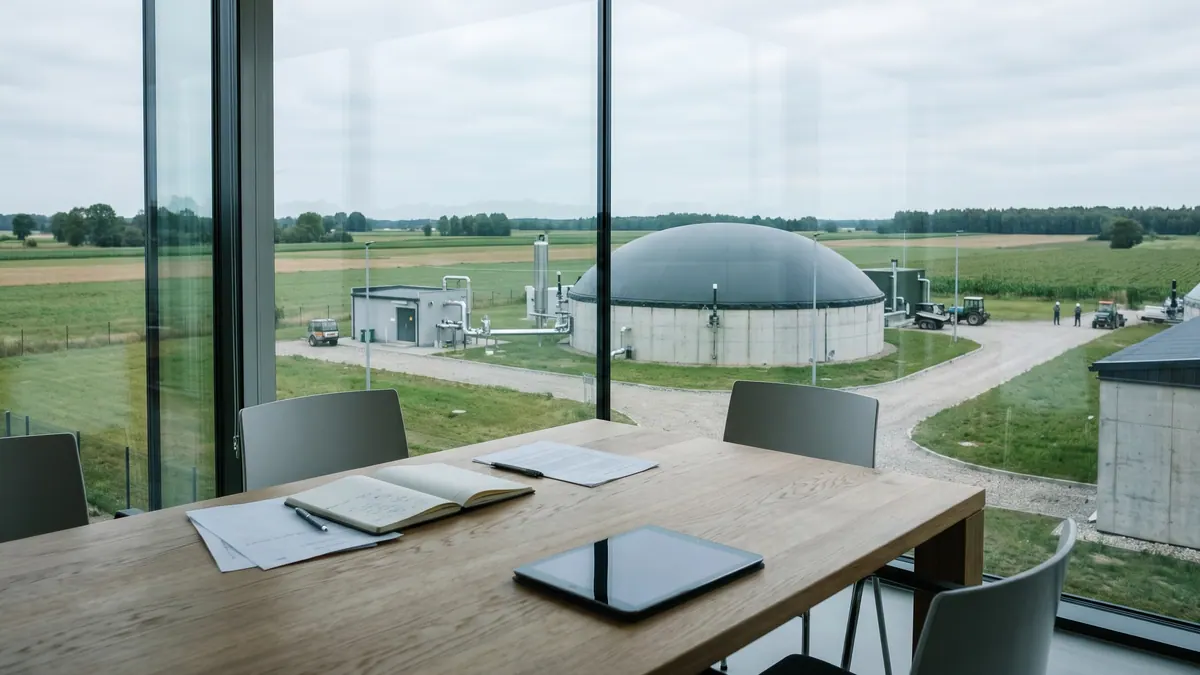
According to reports of 8 May 2026, the European Commission approved a German State aid scheme worth EUR 5 billion, which supports industry in replacing fossil fuels and feedstocks with low-emission alternatives. The date of the decision is not given in the source. For the biomethane market it is important that biomethane was named among the eligible technologies, alongside electrification, hydrogen, capture and storage of CO₂ (CCS) and heat recovery.
How the scheme works
The scheme supports companies that implement fundamental technological changes. A project must reduce emissions by at least 50% within four years, and by 85% by the end of the 15-year contract. Beneficiaries are selected by a tender in which the bids with the lowest amount of aid per tonne of avoided CO₂ emissions win. The aid takes the form of two-way carbon contracts for difference: they may impose on the beneficiary an obligation to repay the aid if cleaner processes become cheaper than conventional ones. Hydrogen used in projects must meet EU requirements for renewable or low-carbon hydrogen.
Eligible sectors are: steel and other metals, gypsum, glass and ceramics, paper and pulp, cement, lime and chemicals. The scheme replaces the March 2025 scheme, which Germany abandoned and redesigned, and follows an earlier scheme approved in February 2024.
The role of biomethane
Biomethane is a "drop-in" fuel: once the quality requirements of the grid and equipment are met, it can usually replace natural gas in existing boilers and furnaces without significant changes to the installation, which makes it a fast route to decarbonising high-temperature heat processes, e.g. in glass, paper or ceramics. Its emissions are calculated under the RES directive; the key points are confirmation of origin and the absence of double counting. The source does not give details of how the scheme treats biomethane in emissions accounting.
Significance for the industry in Poland
Polish glass, paper and chemical plants compete with German ones, so support on the western side of the border lowers decarbonisation costs for competitors. For the Polish biomethane sector two conclusions follow: German programmes increase demand for biomethane and guarantees of origin, which may push up prices across Europe; and Polish industrial firms will expect similar instruments at home. The formal aspect is also significant – two-way carbon CfDs as a tool for industry are a new direction that may inspire Polish solutions.
What to watch
The information comes from a single industry source; the exact rules (unit limits, accounting for biomethane) require checking in the Commission's decision. When planning biomethane exports to Germany, the requirements of the Union Database and sustainability certification must be borne in mind.
Sources
Related articles