The Commission proposes a 90% emission reduction target by 2040 in the climate law
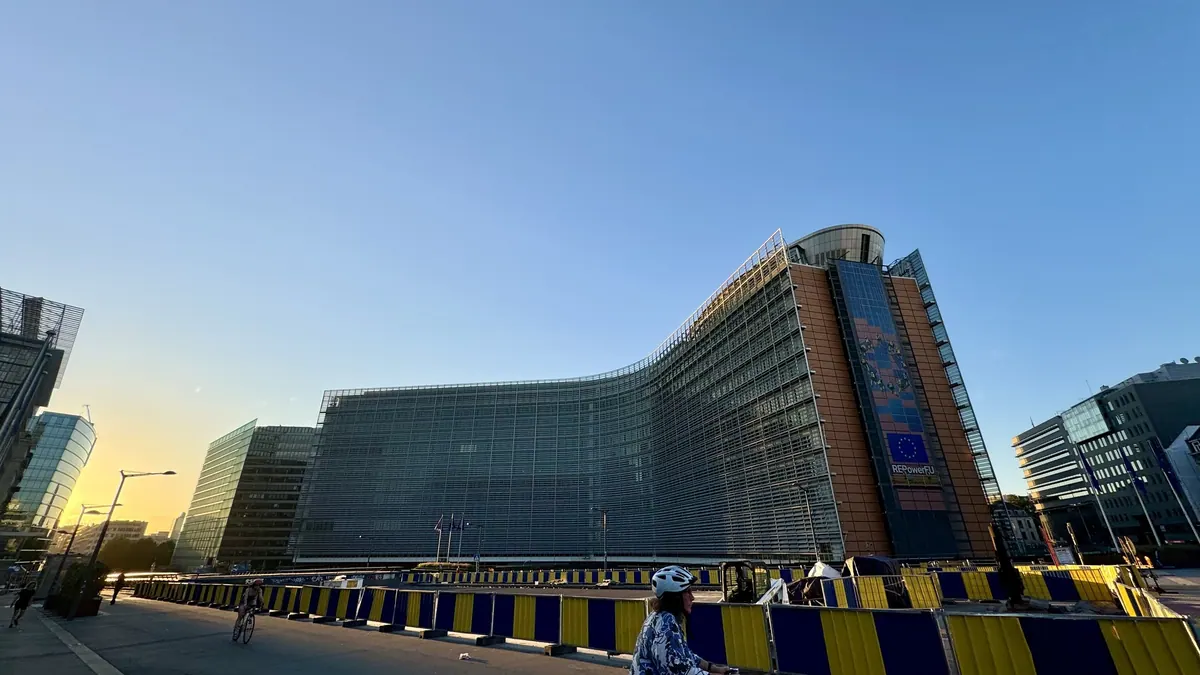
On 2 July 2025 the European Commission presented a formal proposal to amend the EU climate law with a target of a 90% net emission reduction by 2040. The bioenergy industry welcomed it as an important step.
Other language versions: polski.


On 2 July 2025 the European Commission presented a formal proposal to amend the EU climate law, introducing a binding target of a 90% reduction in net greenhouse gas emissions by 2040 compared with 1990. The proposal was a continuation of the Commission's February 2024 communication and translated it into legal language, opening negotiations with the Council and Parliament.
What the proposal contained
The basis was an amendment of the regulation establishing the framework for climate neutrality: the 2040 target was to complement existing commitments (at least a 55% reduction by 2030 and neutrality by 2050). The most debated element was allowing part of the reductions to be achieved through international carbon credits, that is financing reductions outside the EU. Supporters argued that this increases flexibility and lowers costs; critics – that it dilutes the target. The proposal did not set detailed sectoral targets, which were to follow from the review of the ETS, ETS2 and the regulations for sectors outside the trading system.
Reaction of the sector
The bioenergy sector assessed the target as a step towards climate neutrality and expressed hope that subsequent legal acts would clearly take into account the role of renewable fuels. The European Biogas Association has from the outset called for a dedicated target for biogases, stressing their role in reducing methane emissions from agriculture and waste and in producing organic fertilisers and biogenic CO₂.
Significance for the industry in Poland
Two threads were important for the Polish industry. First, the price of emission allowances in the EU ETS and the start of ETS2 (covering buildings and road transport) affect the competitiveness of biomethane against natural gas; the further ETS2 is postponed, the weaker the short-term price signal. Second, the Polish government opposed the target from the start and sought a review clause, which may have influenced the course of negotiations.
It is also worth remembering that the 2040 targets will not automatically affect national support systems – these are decided by national acts on renewable energy sources and by NFOŚiGW programmes.
What next
After July 2025 the Council and Parliament will work on their own positions. Disputes are expected over the role of international carbon credits, the level of flexibility and the way of distributing effort between the ETS, ETS2 and the sectors covered by the Effort Sharing Regulation. For the biogas industry it will be important whether this process brings clear recognition of renewable fuels and of methane emissions from agriculture and waste. In parallel there is a discussion on a possible postponement of the start of ETS2, which Poland has long demanded.
Sources
Related articles