Waste-to-energyAnalysis
Japanese municipal waste incinerators in 2022–2024: number of plants, energy and recycling
Japan has about 1000 municipal waste incinerators, of which about 40% generate electricity. An analysis of environment ministry data for fiscal years 2022–2024.
Other language versions: polski.
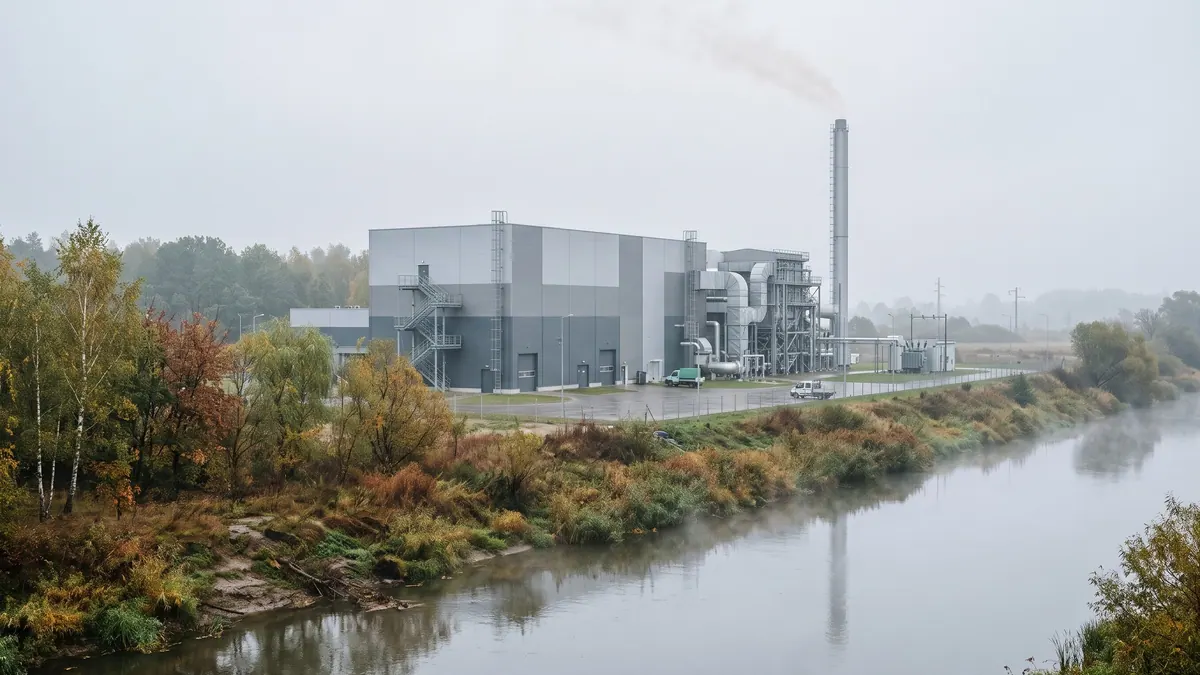
Japan has one of the densest networks of municipal waste incinerators in the world. In fiscal year 2023, 1004 were operating (as of 31 March 2024), of which 411, i.e. 40.9%, generated electricity; the total processing capacity was 174,598 t per day. Data for fiscal year 2024, described by Nippon.com on 30 April 2026, show further consolidation: 991 plants, including 414 with electricity and 710 with waste heat utilisation.
Trend in 2022–2024
| Fiscal year | Number of incinerators | With electricity generation | With heat utilisation |
|---|---|---|---|
| 2022 | 1016 | 404 (39.8%) | 730 |
| 2023 | 1004 | 411 (40.9%) | 724 |
| 2024 | 991 | 414 | 710 |
According to the environment ministry, the total electrical capacity of incinerators rose from 2208 MW in fiscal year 2022 to 2230 MW in 2023 (by 1.0%). Processing capacity per plant rose from 172 to 174 t per day. In fiscal year 2024, incinerators with energy generation produced 10,448 GWh of electricity, equivalent to the annual consumption of about 2.7 million households (Nippon.com). The number of plants is falling, while their average size and the share of units with energy generation are rising.
The waste stream
In fiscal year 2023, 38.97 million t of municipal waste was generated in Japan (3.4% less than in the previous year), i.e. 851 g per person per day. 3.16 million t was landfilled (a fall of 6.5%), the reduction rate of waste going to landfill was 99.2%, and direct landfilling without pretreatment concerned 0.8% of waste. The recycling rate was 19.5% (7.63 million t). In fiscal year 2024, according to Nippon.com, 38.1 million t of waste was generated (2.2% less), 839 g per person per day; household waste was about 26.4 million t, and the remaining 11.8 million t was business-origin waste. 7.4 million t was recycled (3.4% less), and the recycling rate was 19.3%, i.e. 0.2 percentage points lower than a year earlier. More than 90% of waste underwent intermediate treatment (incineration, shredding, sorting), and 3.1 million t went to final landfill. Waste management costs were 2.45 trillion yen (6.9% more), including 560 billion yen for construction and modernisation and 1.78 trillion yen for operation.
Landfills and costs
According to the environment ministry, the remaining landfill capacity on 31 March 2024 was 95.75 million m³ (0.9% less than in fiscal year 2022), equivalent to 24.8 years (compared with 23.4 years in fiscal year 2022). The ministry notes that the number of landfills and their capacity are falling and that acquiring new sites remains difficult. Waste management costs rose to 2291.2 billion yen in fiscal year 2023 (2151.9 billion in fiscal year 2022), including 440.2 billion yen (387.1 billion) for construction and modernisation and 1700.0 billion yen (1646.1 billion) for operation. The ministry's data cover municipal waste (solid waste and night soil), and the amount and costs of disposing of waste after government-subsidised natural disasters have been excluded since fiscal year 2011.
Conclusions for biogas and waste-to-energy
- Incinerators with heat and energy recovery are basic infrastructure in Japan (in fiscal year 2023, 724 plants used waste heat and 411 generated electricity); biogas from food waste has to compete with this model.
- The municipal waste recycling rate is relatively low (19.3–19.6% in 2022–2024), and most waste goes to incineration. The ministry's statistics cover municipal waste only, so international comparisons require the same definition to be kept.
- The direction of change is consolidation: the ministry describes a falling number of incinerators with rising plant size and a rising share of plants with energy generation.
Caveat
The number of incinerators with electricity generation in fiscal year 2024 (414) comes from the Nippon.com description; the ministry may have given a slightly different value, so it is worth checking the original MOE release before citing it.
Sources
Questions and answers
How many municipal waste incineration plants are there in Japan?
According to the Ministry of the Environment, in fiscal year 2023 there were 1004 (as at 31 March 2024), and according to Nippon.com, describing the results of the survey for fiscal year 2024, 991.
Related articles