Waste-to-energyEvent
China: the 2021–2025 plan for municipal waste infrastructure. A target of 800,000 t of incineration a day
The NDRC and the construction ministry presented a municipal waste infrastructure plan for 2021–2025: incineration capacity of 800,000 t a day and about 60% material utilisation of household waste.
Other language versions: polski.
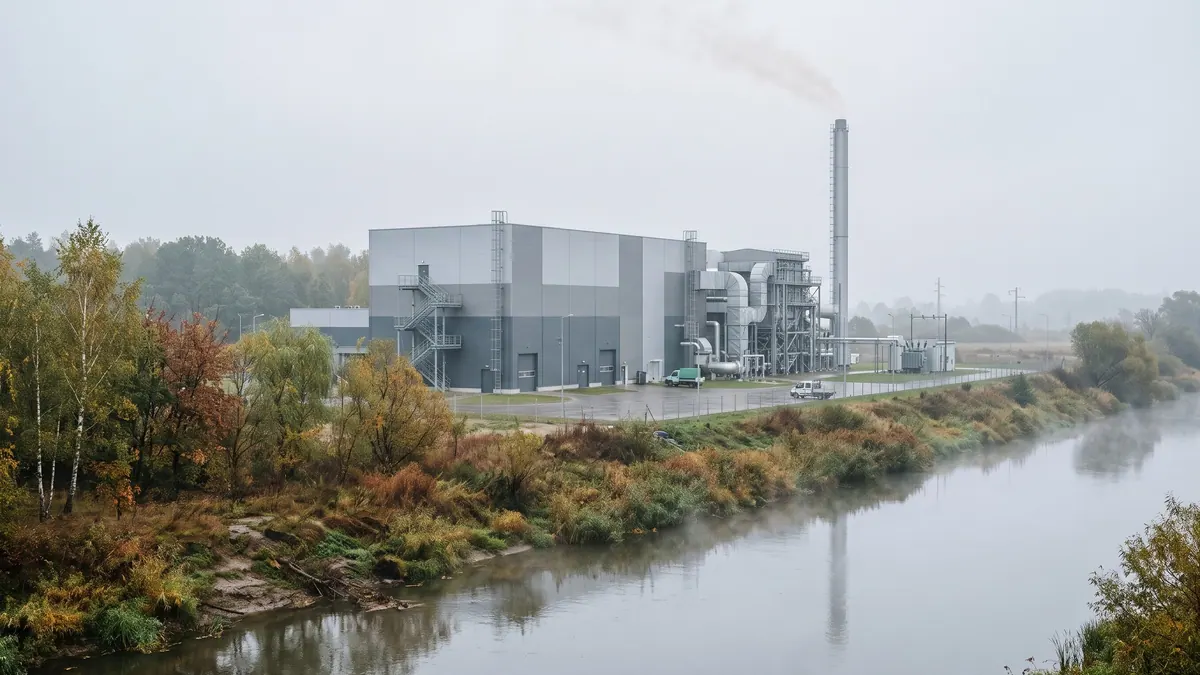
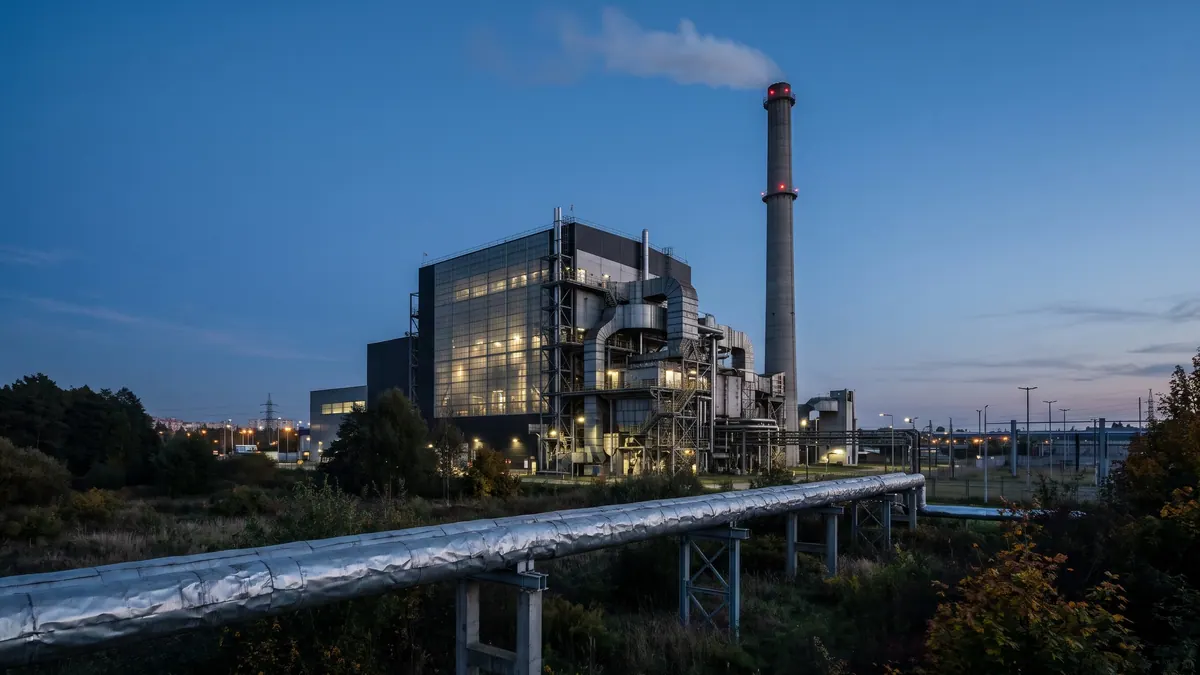
China's National Development and Reform Commission (NDRC), together with the Ministry of Housing and Urban Development, presented in May 2021 a plan to build infrastructure for sorting and processing municipal waste under the 14th five-year plan. It assumes that by the end of 2025 incinerator capacity will reach 800,000 t of waste a day and about 60% of household waste in cities will be used as a raw material.
Main targets of the plan
According to China Daily (a Xinhua report of 14 May 2021), the plan provides for the following at the end of 2025:
- waste incineration capacity of 800,000 t a day,
- utilisation of about 60% of urban household waste (the target is also repeated by the British service Circular Online),
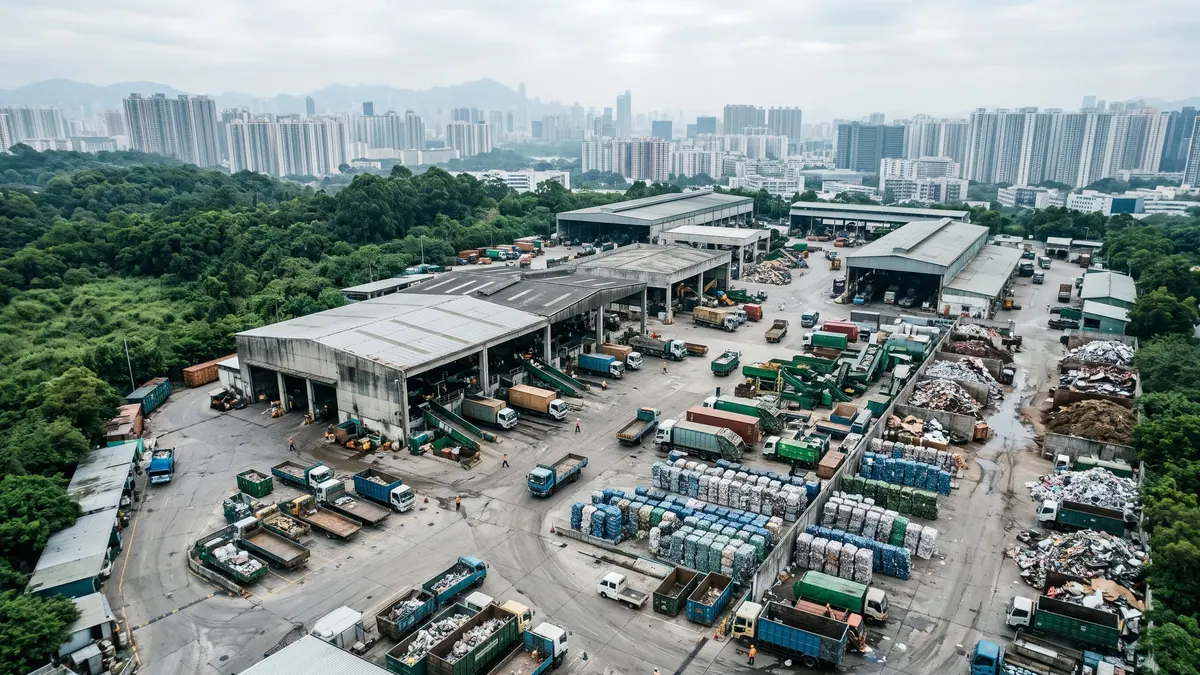
- waste collection, sorting and transport capacity of about 700,000 t a day.
The document also indicates priority regions: Beijing–Tianjin–Hebei with neighbouring areas, the Yangtze River Delta and the Guangdong–Hong Kong–Macao Greater Bay Area.
Incineration as a pillar of the system
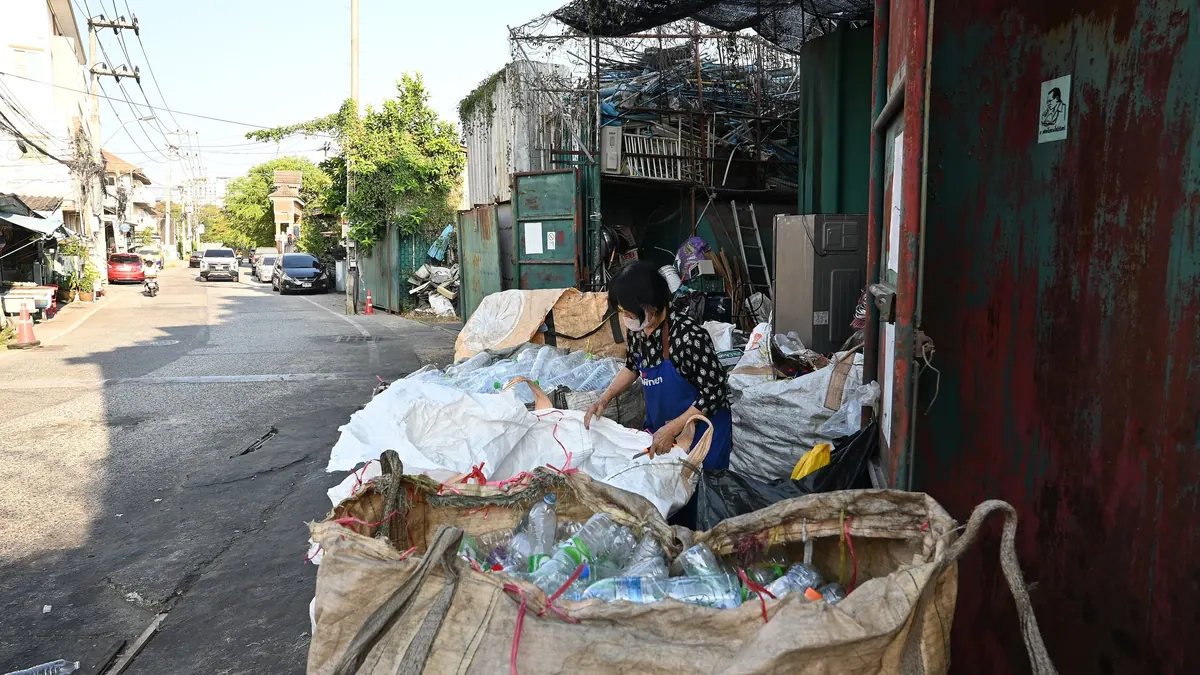
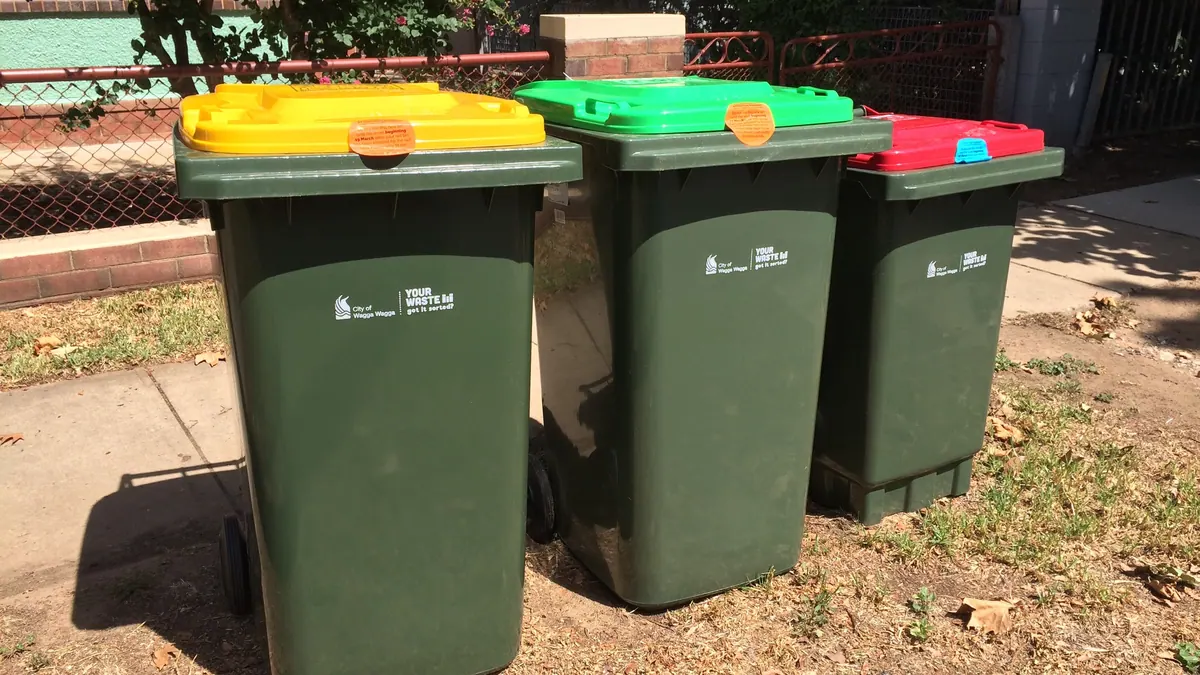
Since the beginning of the 21st century China has been moving away from landfilling towards waste-to-energy incinerators. The 2021 plan confirmed this direction. For biogas, what matters is that incineration and sorting at source compete for the same stream: kitchen waste separated into dedicated facilities (digestion, composting) does not go to incinerators, and the remaining waste has a higher calorific value.
What the following years showed
An analysis by Dialogue Earth (also published in Eco-Business in November 2025) states that in June 2024 China could incinerate about 1 million t of waste a day, that is — as the author writes — 34% more than the 2021–2025 plan assumed. The article does not give the value of this target; with 800,000 t the surplus would be about 25%, so the discrepancy probably results from a different basis of comparison.
The same analysis indicates that over 40% of capacity remained unused and that central subsidies are being phased out — plants connected to the grid from 2023 do not receive central subsidies, so the burden is taken over by local governments. The receivables of listed environmental companies amounted to 350 billion yuan in the first half of 2024 (114% of their operating revenue). Revenue from CCER credits fell to zero once waste incineration ceased to qualify for them in 2024. In practice the 2021 plan proved easy to exceed, and securing waste supply and financing became the problem.
What this means for Poland/Europe
The Chinese example illustrates the risk of overbuilding thermal capacity, also known from European debates about incinerators. In regional planning, incineration capacity should be balanced against the waste hierarchy and against the potential of separate collection of biowaste, which can feed biogas plants.
Sources
Related articles