Waste and circular economyEvent
Shanghai: six months of mandatory sorting. Kitchen waste is growing, processing capacity is lacking
Since July 2019 Shanghai has required sorting into four streams. After six months, over half as much again kitchen waste is collected, but the facilities cannot keep up.
Other language versions: polski.
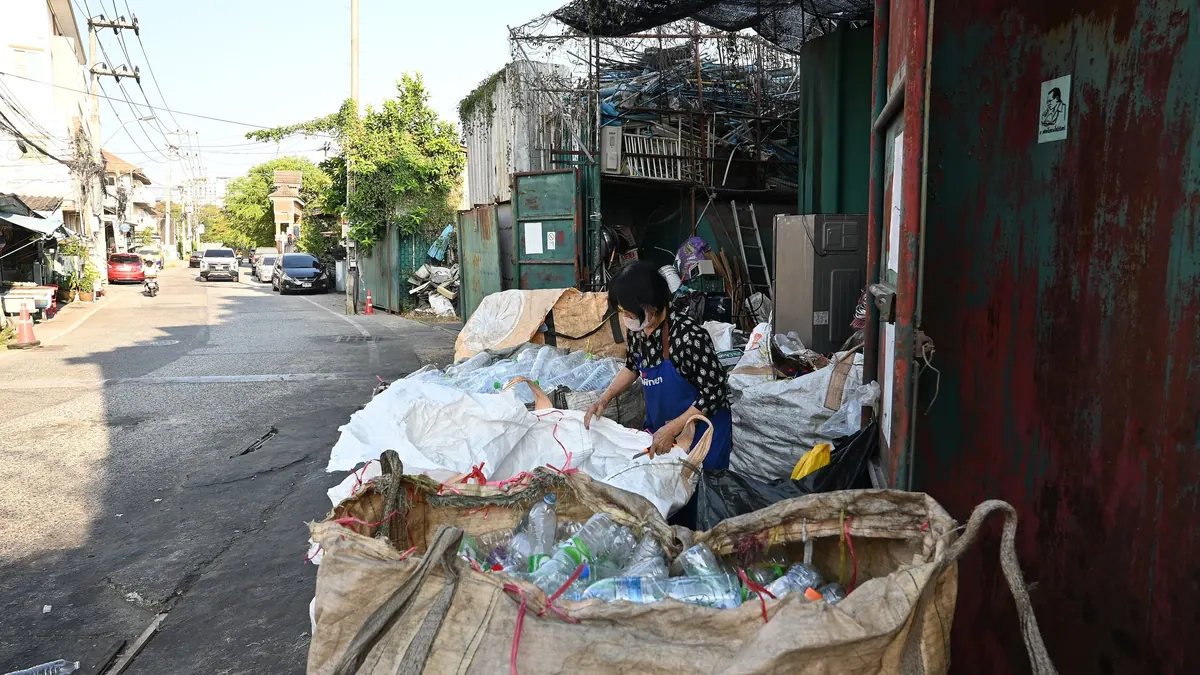

Shanghai, a city of about 26 million residents, recorded after six months of its municipal waste sorting rules a clear rise in kitchen waste collection and a fall in the amount of waste sent for incineration — but also a gap in processing capacity. The obligation took effect on 1 July 2019.
Four streams
Residents must separate waste into: hazardous (batteries, medicines, paints), recyclables (paper, plastic, glass, metals), kitchen waste — in Chinese terminology “wet” — and residual waste, i.e. “dry”. Mistakes carry fines: up to 200 yuan for individuals, and for companies, according to Sixth Tone, up to 500,000 yuan. From July to November over 3000 fines were issued, of which 93% went to businesses and institutions rather than households — enforcement is therefore concentrated on institutional entities.
Results after six months
According to Sixth Tone, the amount of waste sent for incineration fell between June and August 2019 by about 25%. At the end of August over 9000 t of kitchen waste a day was collected, that is 130% more than a year earlier. Earlier China Daily material from September 2019 gives a similar picture: up to 9200 t of kitchen waste a day (an increase of 130% compared with the end of 2018), less than 15,500 t of residual waste a day (a fall of 26% compared with the end of the previous year) and about five times as much recyclables as a year earlier (4500 t a day). According to the same source, up to 4600 t of organic waste a day was being sent for reuse, and by the end of the year this was to reach 5800 t. Xu Zhiping, the Shanghai government official responsible for environmental and sanitation management, assessed the results as “gratifying”, adding the caveat that victory was still a long way off.
The bottleneck: processing
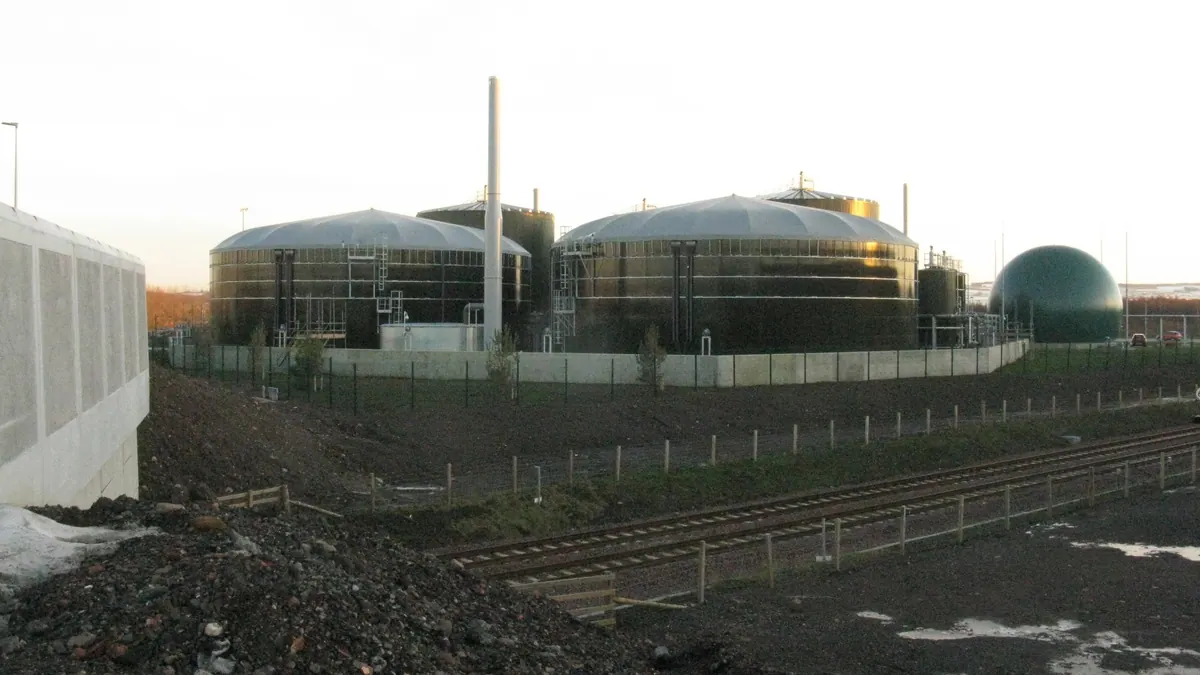
Sorting makes sense only if the separated stream reaches a facility. According to Sixth Tone, the growing amount of kitchen waste “significantly exceeded the city's planned processing capacity”, and one expert estimated the capacity shortfall at up to 2000 t a day. Lü Changhong, manager of a kitchen waste processing plant, admitted that a fair amount of kitchen waste still ends up in landfills or incinerators. For the biogas industry this is an important lesson: biowaste from household sorting requires unpacking, removal of contaminants and buffering before it goes into the fermentation chambers.
Costs and national scale
Shanghai invested about 20 billion yuan in the system, and Chinese researchers estimated the cost of implementation nationwide at over 100 billion yuan. By the end of 2020 similar regulations were to cover 46 cities, and the national municipal waste recycling target was 35%.
What this means for Poland/Europe
The Shanghai experience confirms a rule known from Europe: after mandatory separate collection of biowaste is introduced, its quantity rises quickly, and processing capacity — composting plants, biogas plants — must be built beforehand, not after the fact. This is an argument for planning biowaste capacity in parallel with the collection rules.
Sources
Related articles