Shanghai starts building Phase III of Laogang: 2000 t of wet waste a day
In December 2022 construction began on Phase III of the Laogang bioenergy project (Pudong): 2000 t of wet waste a day, 1.65 billion yuan of investment and commissioning planned for May 2025.
Other language versions: polski.
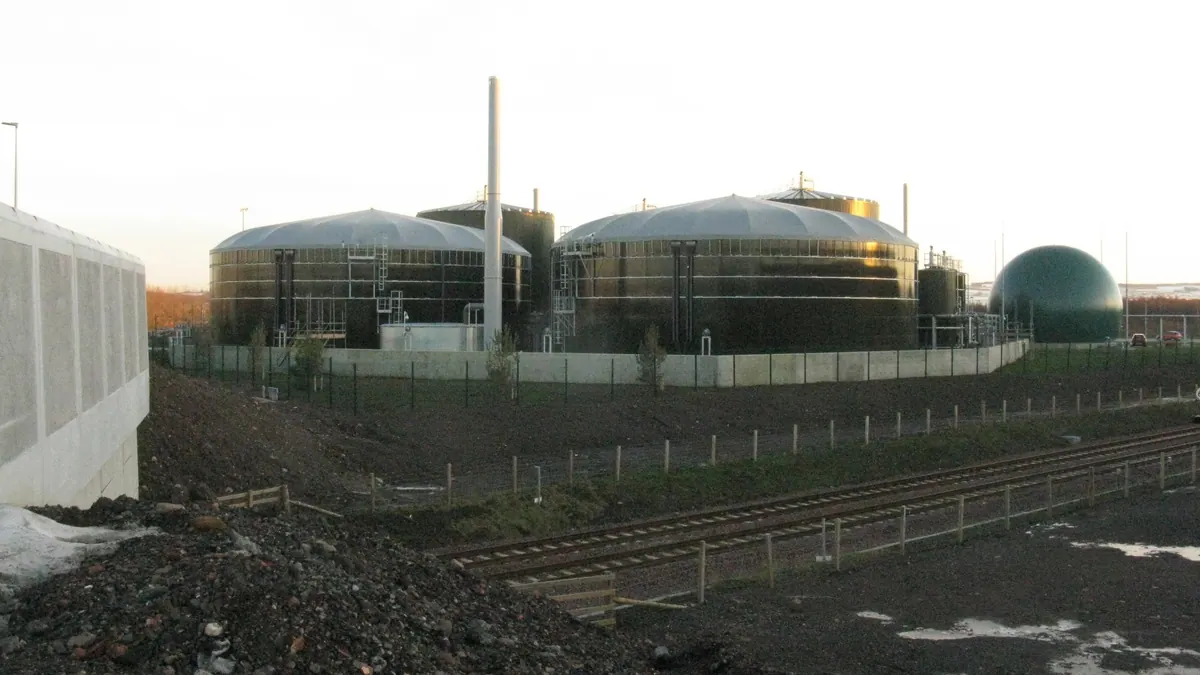

In December 2022 Shanghai began building Phase III of the bioenergy recycling project at the Laogang base in Pudong district. According to the district's announcement, the plant is to process 2000 t of wet waste a day, its cost was estimated at 1.65 billion yuan (about USD 237 million), and commissioning was planned for May 2025. Work began on the Sunday preceding the publication of the 22 December 2022 announcement.
What is to be built
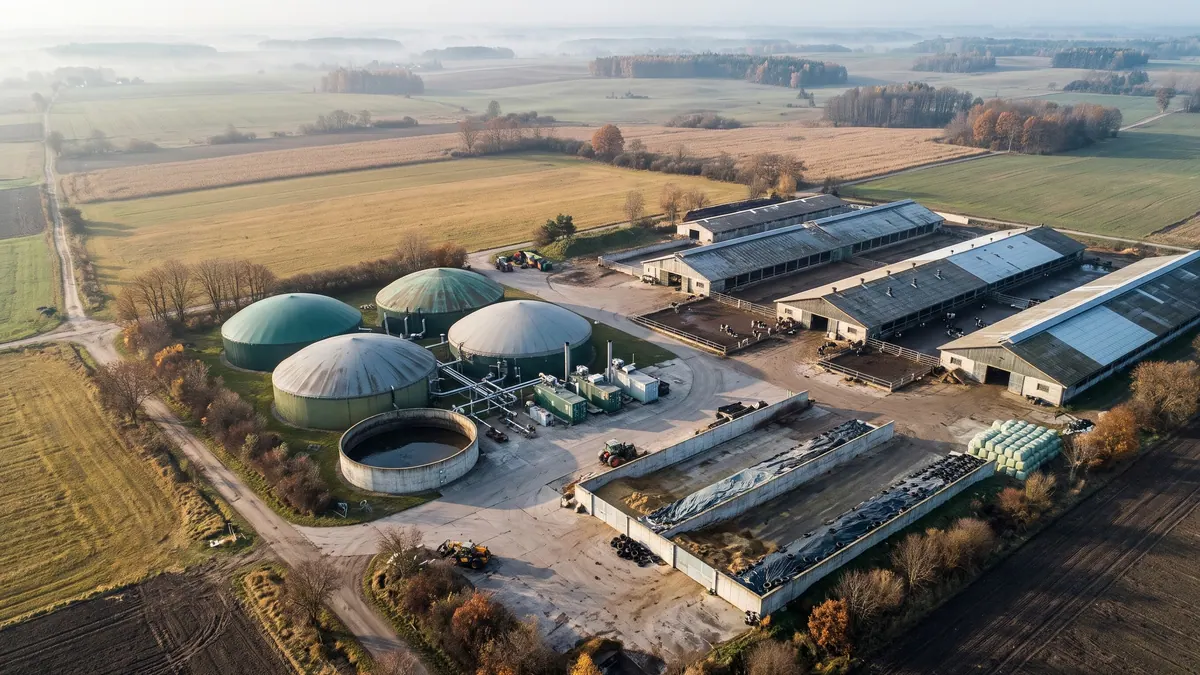
The project, carried out on an area of almost 20 ha in the Laogang ecological base, is run by Shanghai Chengtou Environment Group Corporation. According to the Pudong announcement, it is to deliver annually over 3600 t of crude oil (that is, a recovered oil fraction), 20,000 t of carbon-based organic fertiliser and 80 thousand t of compressed gas. The announcement does not describe the processing technology; the combination of gas and fertiliser production is typical of anaerobic digestion, but that is not information from the source.
Background: Laogang
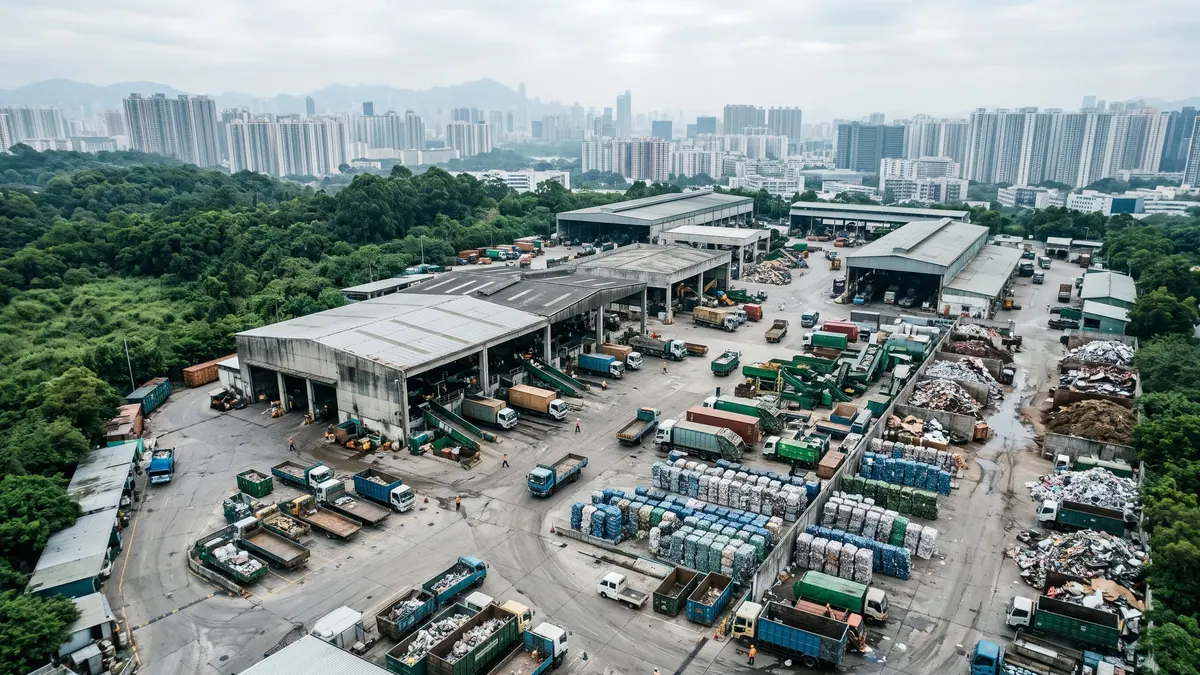
According to Sixth Tone, Laogang was the largest landfill in Asia since the late 80s, and today the Shanghai Laogang Waste Disposal Base covers 15.3 km² and can incinerate 11,000 t of waste a day. Since Phase II of the incinerator was commissioned in 2019 it has handled one third of the city's municipal waste, generating 1.6 billion kWh of electricity a year. Wet waste is processed there by anaerobic digestion and aerobic composting, and bioconversion uses, among others, black soldier fly larvae.
A discrepancy in capacity
Sixth Tone, describing the same Phase III (also planned for May 2025), gives 4500 t of wet waste a day — not 2000 t as in the Pudong announcement. We have not resolved the discrepancy; 2000 t comes from the primary source (the district authorities), and 4500 t may denote the base's total capacity after expansion.
Why wet waste needs separate facilities
Kitchen waste from catering and households contains large amounts of water, fat and contaminants (packaging, cutlery, bones). Before it goes to digestion, it must go through a preparation stage: unpacking, size reduction, separation of oils and metals. The recovered fat fraction can be sold as an intermediate product, and the organic mass directed to the digesters. Such a configuration — oil, gas, fertiliser — corresponds to the products listed in the Pudong announcement.
What this means for Poland/Europe
In Poland the quantity of biowaste from separate collection is rising and facilities for digesting kitchen fractions are appearing. The Shanghai example is a reminder of the importance of feedstock preparation and of managing by-products (fat, sludge) when designing such plants.
Sources
Related articles