Law and regulationEvent
From 1 January 2023 new rules of the National Indicative Target (NCW): a 0.82 factor and biocomponent limits
At the start of 2023 an amendment to the Act on Biocomponents and Liquid Biofuels entered into force: minimum NCW fulfilment of 80%, a reduction factor of 0.82 and limits for biohydrocarbons and Annex 1 feedstocks.
Other language versions: polski.
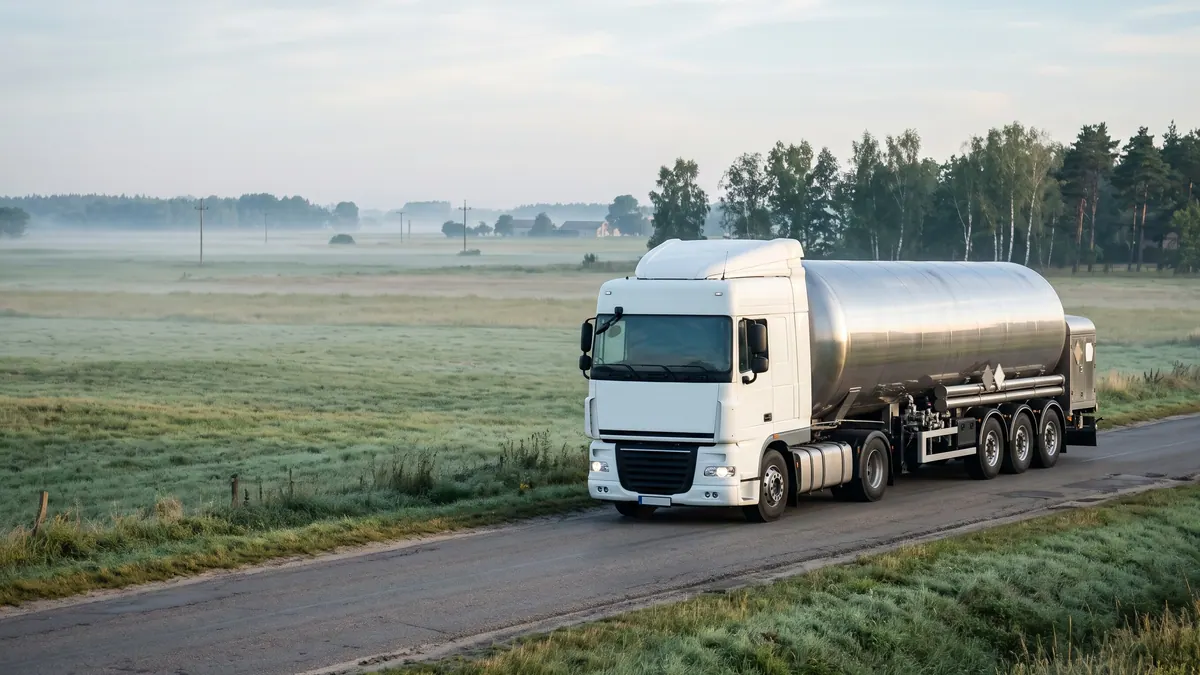
From 1 January 2023 an amendment to the Act on Biocomponents and Liquid Biofuels and the Act on the System for Monitoring and Controlling Fuel Quality applies (Journal of Laws (Dz.U.) 2022, item 2411). For liquid fuels in transport, new parameters for fulfilling the National Indicative Target (NCW) for 2023 were set. Although the rules do not concern biogas and biomethane directly, they set the background against which the market for renewable fuels in Polish transport is taking shape.
What is changing
The amendment adds Article 35b to the act, which sets several thresholds for 2023:
| Parameter | Value in 2023 |
|---|---|
| Minimum level of NCW fulfilment | 80% |
| Reduction factor (Article 23(4)) | 0.82 |
| Minimum share of biocomponents in diesel | 5.2% |
| Maximum share of liquid biohydrocarbons in NCW fulfilment | 0.9% |
| Maximum share of biocomponents from Annex 1 feedstocks | 0.5% |
The limits are calculated by calorific value in relation to all liquid fuels and biofuels sold or consumed in road and rail transport. At the same time, some provisions of the Act on the System for Monitoring and Controlling Fuel Quality were repealed.
Significance for the industry in Poland
For biomethane and bio-CNG producers a distinction is important: the NCW is a mechanism aimed at producers and importers of liquid fuels, and the amendment in question does not directly regulate the accounting of biomethane as a gaseous fuel. Even so, biocomponent policy affects competition and future projects. If the state increases requirements for renewables in transport, subsequent amendments (after implementation of the RED III directive) will leave room for gaseous fuels, including biomethane.
A trend is also clearly visible: setting limits for selected feedstocks and emphasising advanced fuels. A producer of biogas from waste and residues has an advantage in such an arrangement if his fuel is included in the obligation or incentive system.
Practical questions
Operators of fleets planning to run on biomethane should check whether their supplier can document the origin of the gas (guarantees of origin, sustainability certificates) and the emissions balance. In future these documents may decide whether the fuel can be accounted for in obligation systems or in emission reporting in the supply chain.
How the National Indicative Target works
The NCW is an obligation of entities placing liquid fuels on the market: they must ensure a specified minimum share of biocomponents and biofuels in the fuels consumed in transport, calculated by calorific value. Its level is set annually, and the amendment changes the rules for 2023. For market participants, flexibility mechanisms are also important, such as settlement based on the reduction factor, which affects how many biocomponents actually have to be placed on the market.
What next
Subsequent amendments to the Act on Biocomponents will result from the RED III directive, whose adoption in the EU is expected this year. For the renewable gas industry it is important that Poland takes gaseous fuels and waste into account in national legislation as high-value feedstocks.
Sources
Related articles