Law and regulationEvent
The Sejm passes an amendment to the Biofuels Act: RES target in transport of 14.9% in 2030
On 6 February 2025 the Sejm passed an amendment to the Act on Biocomponents and Liquid Biofuels: a National Indicative Target of 9.2% in 2025, 10% in 2026–2029 and 14.9% in 2030. Biomethane, including from the grid, counts towards the target.
Other language versions: polski.
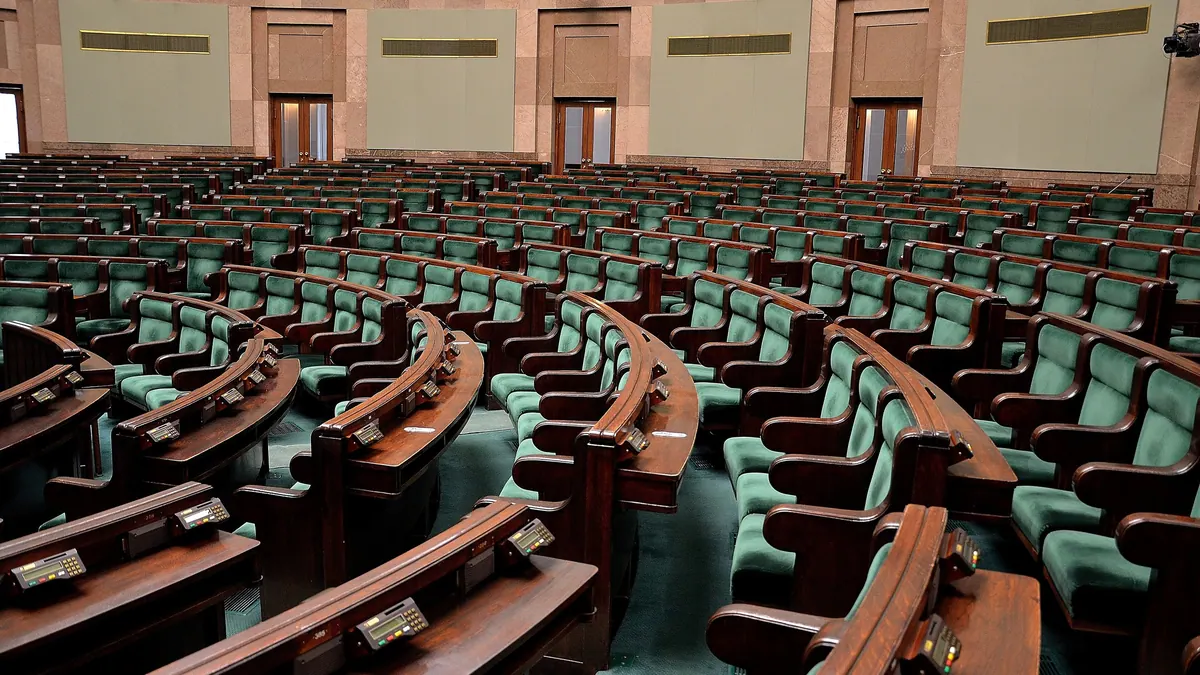

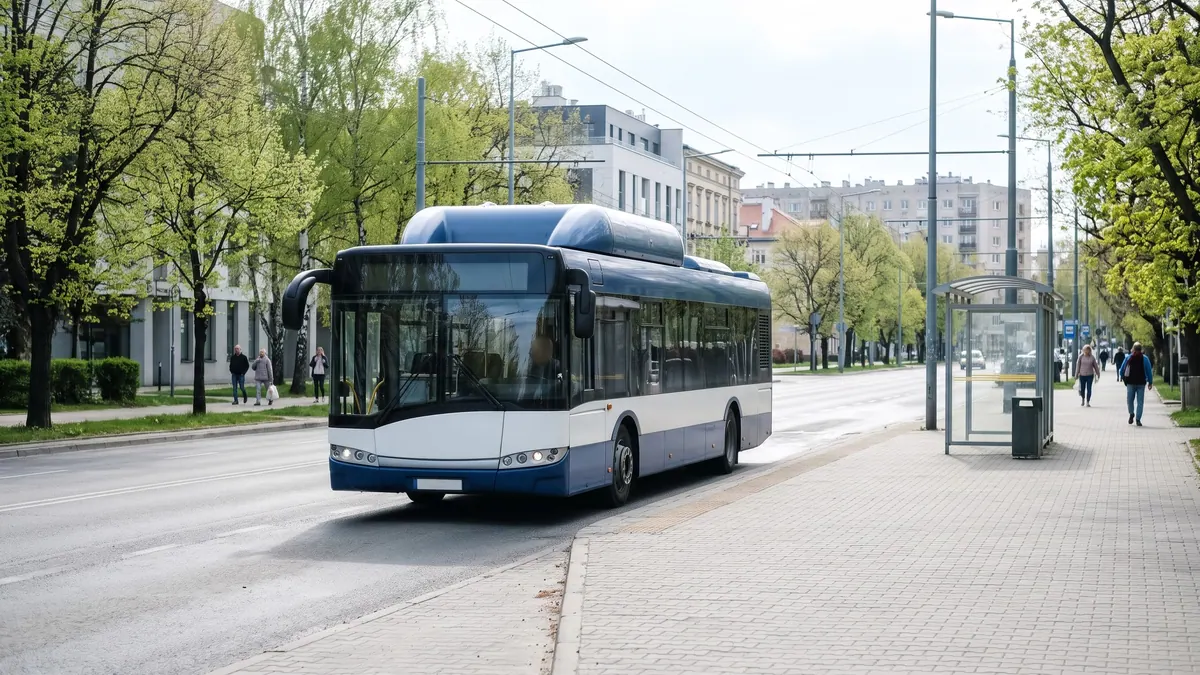
On 6 February 2025 the Sejm passed an amendment to the Act on Biocomponents and Liquid Biofuels, implementing the RED II Directive. The vote ended 231 to 199, with no abstentions. For the biomethane market the most important point is that the new provisions recognise biomethane, including biomethane injected into the gas grid and supplied to fuel stations (bioCNG), as a fuel that can count towards the national target for renewable energy in transport.
Targets and rules
The National Indicative Target (NCW, Narodowy Cel Wskaźnikowy), that is the mandatory share of renewable energy in transport fuels, was set at:
| Period | NCW level |
|---|---|
| 2025 | 9.2% |
| 2026–2029 | 10% |
| 2030 | 14.9% |
The level of 14.9% in 2030 is higher than the 14% required by RED II – the difference of 0.9 percentage points results from retaining a reduction coefficient that allows obligated entities to lower their obligation by using first-generation biocomponents, for example from domestic agricultural feedstocks. Biocomponents from food and feed crops were capped at 6.1%, that is the maximum permitted by the directive.
The amendment also counts towards the target liquid and gaseous carbon fuels, gaseous recycled fuels, renewable electricity and aviation and maritime fuels. It introduces sustainability certification for biomass and repeals the provisions on the National Reduction Target. The Sejm rejected the Senate's amendments and adopted four amendments from the Polska 2050–TD club, including a transitional period until 1 January 2027 for licensing obligations concerning liquid recycled carbon fuels. Most of the provisions were to enter into force on 1 April 2025.
Significance for the industry in Poland
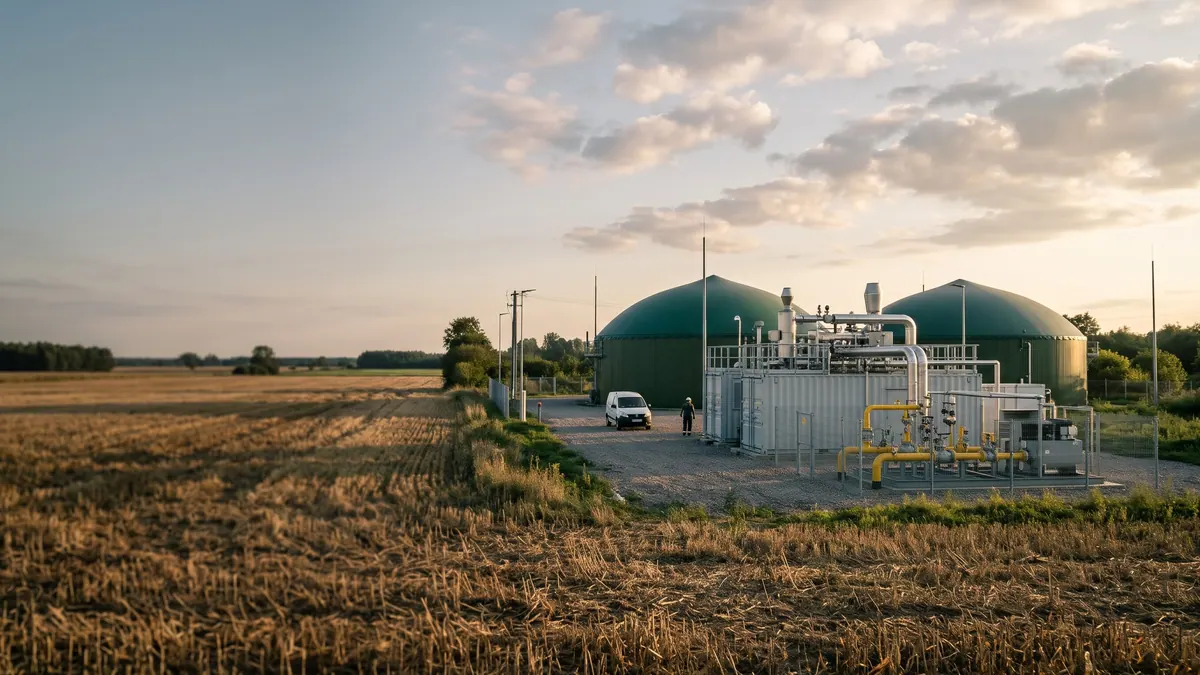
For biomethane producers, the transport fuel market matters as an off-taker. Counting biomethane from the grid towards the NCW means that a fuel seller (for example bioCNG at a station) can obtain biomethane from a producer through balance-sheet settlement, without physically transporting the gas to the station. This increases demand, but requires a system of guarantees of origin and sustainability certification to avoid double counting.
At the same time, 14.9% in 2030 is a target derived from RED II. The RED III Directive raises the requirements for transport (binding GHG targets and sub-targets for advanced fuels and RFNBO), so the next step is the implementation of the new requirements.
What next
The amendment is only a partial implementation of EU rules: full transposition of RED III (the deadline expires on 21 May 2025) will require further acts. The act still has to go through further procedure, and most of the provisions are scheduled to enter into force on 1 April 2025. For biomethane producers, the key point now is launching the system of guarantees of origin and sustainability certification, which will ensure the credibility of settlements.
Sources
Related articles