Law and regulationEvent
The President signed the amendment to the RES act: a broader definition of energy wood
The President signed an amendment to the Act on Renewable Energy Sources that broadens the definition of energy wood from 1 October 2020 to the end of 2021. The Sejm passed it with 232 votes, and the Senate wanted to reject it.
Other language versions: polski.
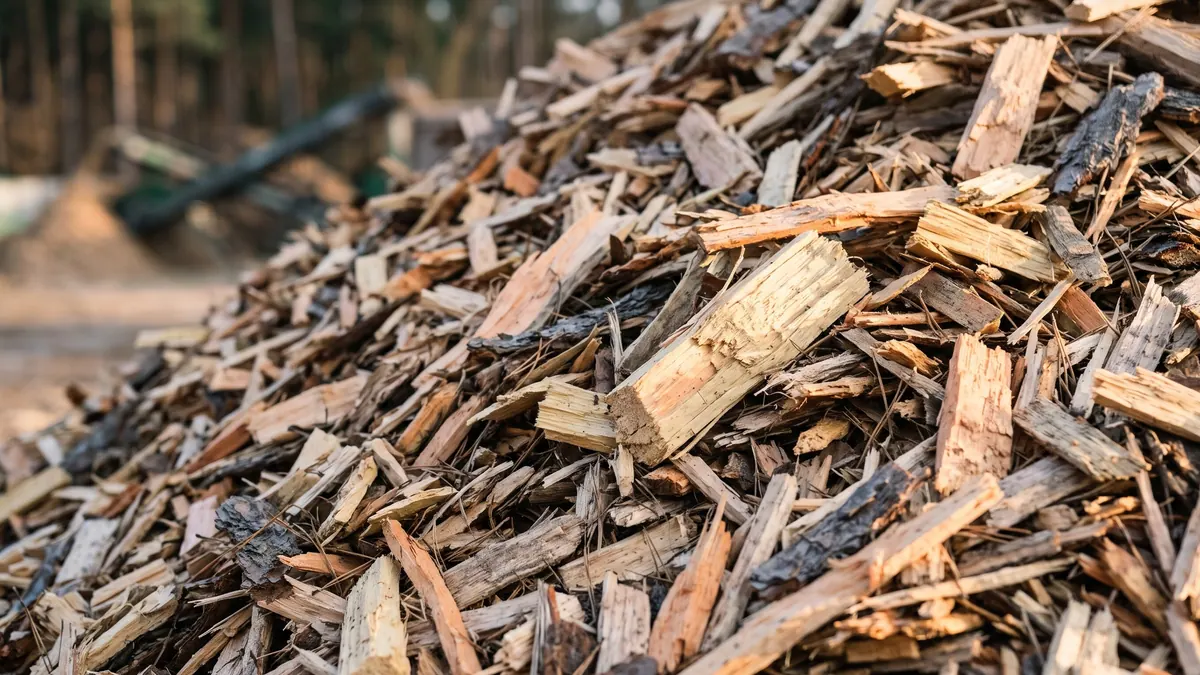
President Andrzej Duda signed — as announced on 27 August 2020 — an amendment to the Act on Renewable Energy Sources that broadens the definition of energy wood. The change, justified by the effects of the pandemic on timber sales by the State Forests (Lasy Państwowe), is to apply from 1 October 2020 to the end of 2021. Although the act does not concern biogas, it is important for the whole bioenergy market, because it affects the rules on burning biomass in power plants and combined heat and power plants.
The course of the work
The Sejm passed the amendment on 16 July 2020: 232 MPs voted in favour (all present MPs of Law and Justice (PiS) — 231 — and one MP of the Confederation), 206 were against and 13 abstained. The draft was prepared by the Ministry of the Environment and submitted for notification in Brussels. In mid-August a majority of senators came out in favour of rejecting the act, and on 17 August the Sejm did not share the Senate's position and sent the act to the President.
What the act changes
The previous definition covered wood raw material of reduced technical and utility value that cannot be used industrially. The new one covers three groups:
- wood raw material that is not logs or sawlogs;
- uncontaminated by-products from wood processing;
- uncontaminated waste from wood processing managed in line with the waste hierarchy.
The authors explained the change by the effects of the pandemic: a fall in industrial purchases was to reduce the value of harvested wood, and leaving felled trees in the forests was to increase the risk of fires and insect outbreaks. According to the minister of the environment, felled wood in the amount of approx. 2 million m³ had accumulated because of the pandemic, and power plants import approx. 2.5 million tonnes of biomass per year. The State Forests harvested 41 million m³ of wood in 2019.
The dispute around the act
Environmental organisations, including Greenpeace Polska and Pracownia na rzecz Wszystkich Istot, criticised the change as a threat to dead and dying trees, which matter for biodiversity. Critics also pointed to the lack of public consultation. The minister of the environment rejected these allegations, claiming that the act covers only low-quality biomass and will not cause additional felling beyond the plan.
Significance for biogas
The case shows how many disputes in Polish bioenergy policy concern the sustainability criteria for biomass. Agricultural biogas is regulated separately and has no direct connection with this amendment. For the biogas industry, however, it is context: the sharper the debate on forest biomass, the greater the interest in agricultural and municipal waste as a stable and socially accepted energy source.
What next
The definition was to apply temporarily, until the end of 2021, which meant that subsequent decisions depended on an assessment of the effects and on EU rules on biomass.
Why forest biomass causes disputes
Burning biomass in large units is one of the most debated elements of RES policy. Supporters stress the role of biomass as a stable energy source and a way of using low-quality raw material, while opponents point to the risk of over-exploitation of forests and of burning material that could remain in the ecosystem. This dispute concerns the sustainability criteria, which are also one of the topics of discussion on further changes to EU renewable energy rules.
Sources
Related articles