Law and regulationEvent
The government adopts Poland's Energy Policy to 2040 (PEP2040)
On 2 February 2021, the Council of Ministers adopted PEP2040: three pillars, a target of at least 23% RES in 2030, a falling share of coal in electricity generation, and the development of offshore wind, photovoltaics and nuclear power.
Other language versions: polski.
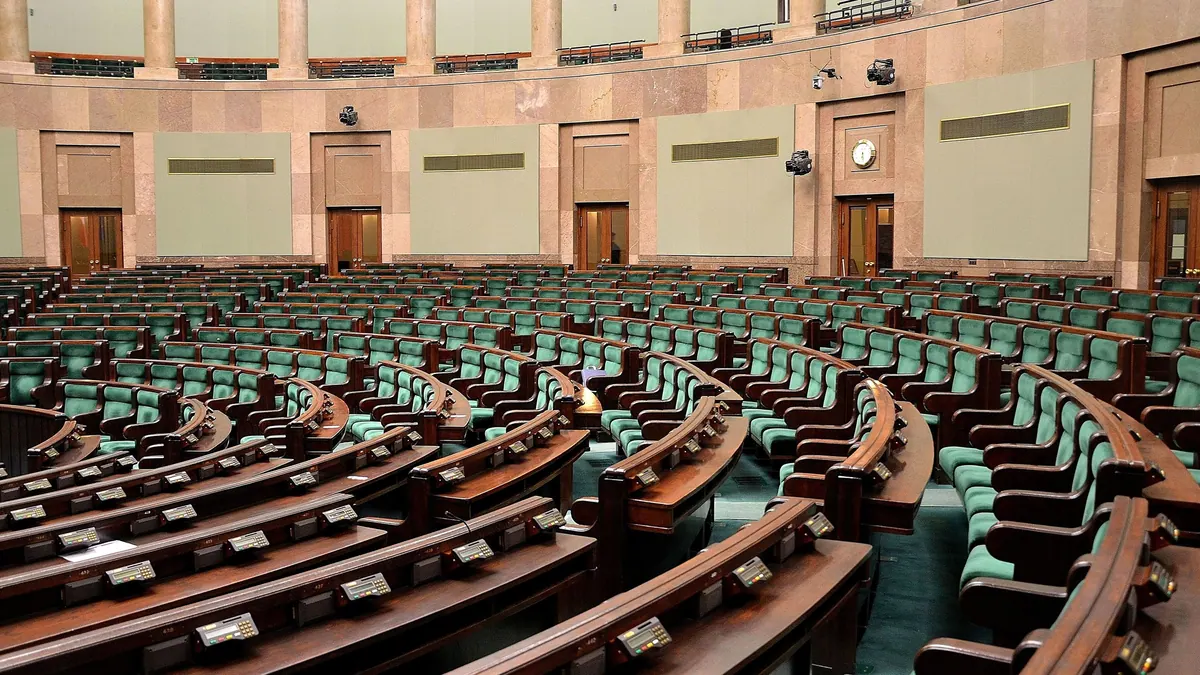

On 2 February 2021, the Council of Ministers adopted Resolution No. 22/2021 on Poland's Energy Policy to 2040 (PEP2040) – a strategy that is to set the directions of the country's energy transition for the next two decades. The document is part of a set of nine integrated strategies arising from the Strategy for Responsible Development. The full text is to be published in the Monitor Polski after the resolution is adopted.
Three pillars
PEP2040 rests on three pillars:
- a just transition,
- a zero-emission energy system,
- good air quality.
It assumes that by 2040 more than half of installed capacity will come from zero-emission sources. A novelty was also the announcement of launching the first nuclear power plant and building offshore wind energy.
Numerical targets
According to press reports from February 2021, the document contains the following targets and figures:
| Area | Provision |
|---|---|
| Share of RES in gross final energy consumption in 2030 | at least 23% |
| RES in electricity | at least 32% |
| RES in heating and cooling | 28% |
| RES in transport | 14% |
| Share of coal in electricity generation in 2030 | approx. 37% (high CO₂ price scenario) or 56% (low) |
| Offshore wind in 2030 | 5.9 GW |
| Onshore wind farms in 2030 | 8–10 GW |
| Photovoltaics in 2030 | 5–7 GW |
| Prosumers | 1 million |
The document also provides for phasing out coal from individual home heating: by 2030 in cities and by 2040 outside cities. The creation of 300 energy-sustainable areas is assumed.
What it means for biogas and biomethane
The ministry's communications and press reports on the adoption of the document did not indicate separate targets for biogas and biomethane. For the industry this meant the need to supplement the strategy with specific regulations and programmes. However, the RES targets in transport (14%) and in heating provide space in which biomethane and biogas can be used, if appropriate support mechanisms are created.
What next
PEP2040 is a strategic document – its implementation requires changes in law and financing programmes. For investors, it was important that the RES targets and the path away from coal would affect energy prices and demand for local sources. At the same time, the outcomes of the document depended on the price of CO₂ emission allowances and on decisions taken at EU level on raising the climate target.
How to read the targets
PEP2040 is a strategic document, so its provisions need to be translated into acts, regulations and support programmes. The differences between the high and low CO₂ price scenarios show that the government assumes uncertainty about the development of the allowance market. At the same time, the path was adopted before the EU climate target was raised to 55%, which meant that the document might need updating after the EU rules change.
Sources
Related articles