Law and regulationEvent
The European Council backs climate neutrality in 2050 — without Poland
At the summit of 12–13 December 2019, EU leaders endorsed the goal of climate neutrality by 2050. One state — Poland — did not commit to achieving it and returned to the subject in 2020.
Other language versions: polski.
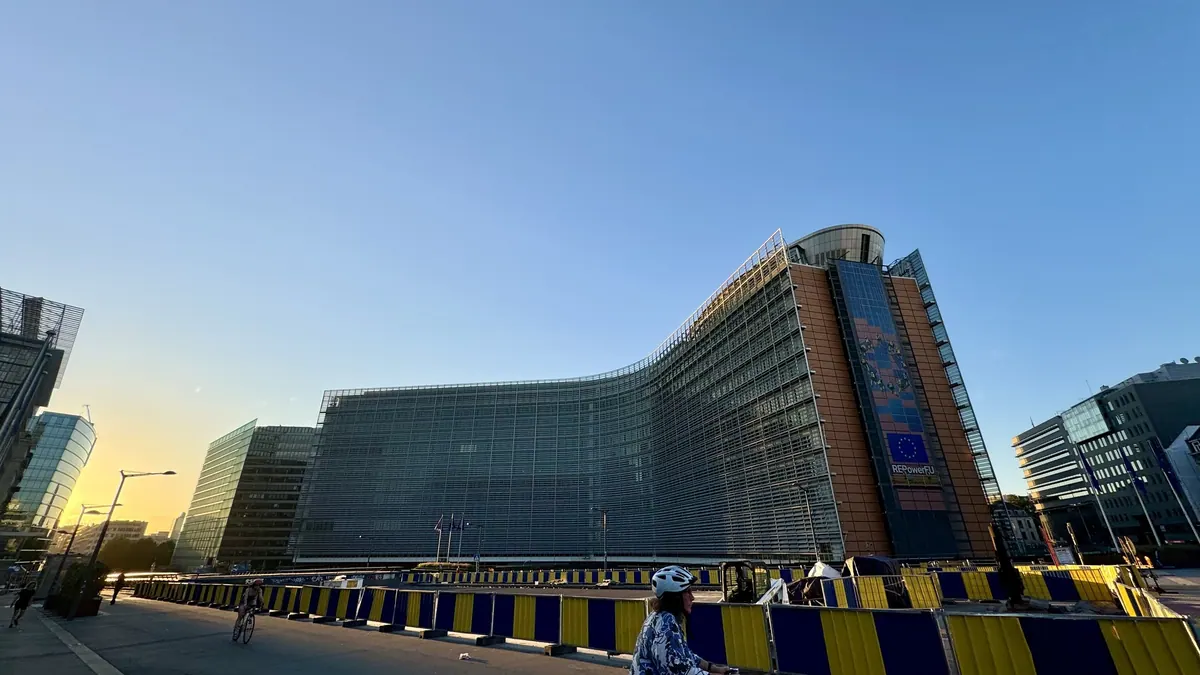

On 12 December 2019 the European Council endorsed the goal of the European Union achieving climate neutrality by 2050, in line with the Paris Agreement — but the conclusions contained a reservation that one Member State cannot yet commit to implementing it on its own. That state was Poland.
What was agreed
The summit in Brussels (12–13 December) was the first major debate after the presentation of the European Green Deal. In its conclusions the Council:
- endorsed the goal of EU climate neutrality by 2050 in line with the objectives of the Paris Agreement;
- recorded that one Member State cannot, at this stage, commit to implementing this goal as regards itself, and that the European Council will return to the matter in June 2020;
- drew attention to the need for support for the regions and countries most dependent on fossil fuels, including through the Just Transition Mechanism;
- noted that some Member States regard nuclear energy as part of their energy mix.
Poland argued that the transition requires more funds and more time, because its energy sector was then largely based on coal. The discussion concerned above all financing and the possibility of counting gas and atomic power as transitional fuels.
Why this matters for biogas and waste
The Council's political decision translated into the direction of further legislation: higher rates in the ETS, new renewable targets and wider interest in renewable gases as a substitute for fossil fuels. For Polish investors this meant two things at once. On the one hand, pressure to move away from coal and potentially greater demand for local sources such as biogas and biomethane. On the other, uncertainty about the pace of change and the availability of funds, because the national position in the negotiations delayed unambiguous declarations.
Political background
The discussion about 2050 returned at every subsequent stage of drafting the climate law. States with a large share of coal in their energy sector demanded guarantees that the transition would not burden them disproportionately, while Western states stressed that further postponing the decision weakened the EU's position ahead of the climate summit in Glasgow, planned for the end of 2020. The December agreement was therefore a compromise: a common direction without full unanimity.
What next
According to the conclusions, the Council was to take up the matter again in June 2020, in parallel with the negotiations on the EU budget. On 11 December 2019 (in the communication on the European Green Deal) the Commission announced that within 100 days it would present the first European climate law, which is to turn the political declaration into a provision binding on all Member States. A key element remains the division of costs and access to transition funds — an issue around which further negotiations will revolve.
Sources
Related articles