BiomethaneEvent
USA: Dominion Energy and Vanguard Renewables are building a network of biogas plants on dairy farms
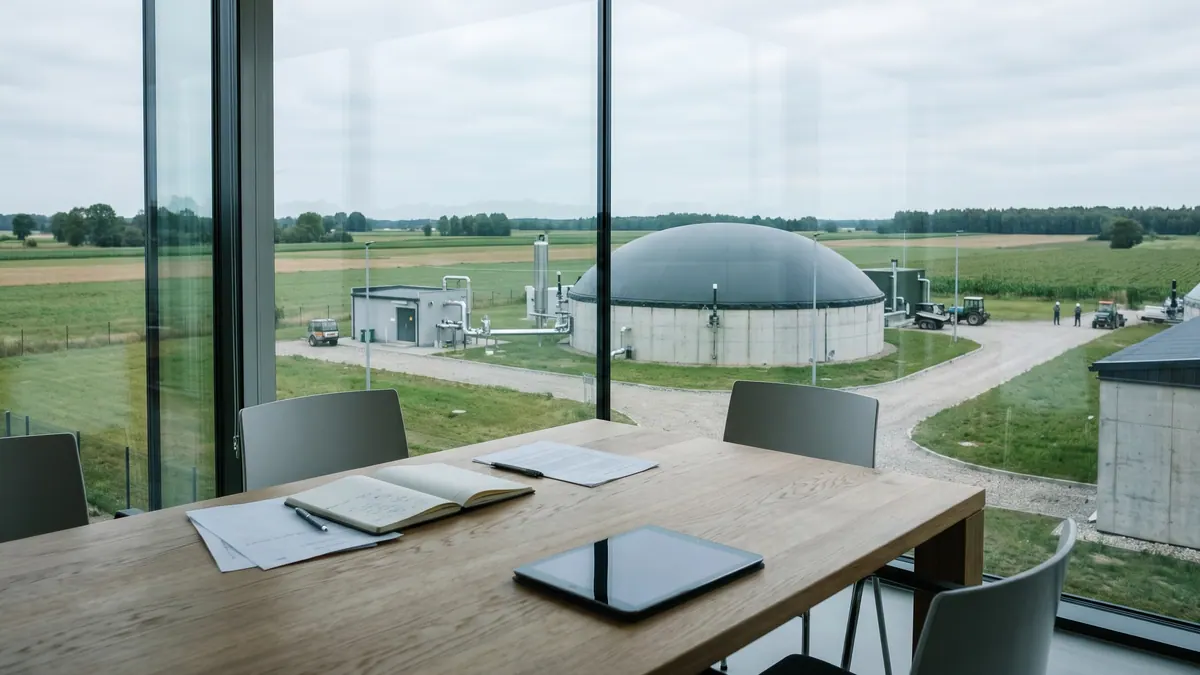
Dominion Energy and Vanguard Renewables announced more than USD 200 million for about 15 biogas projects at dairy farms, which will produce renewable natural gas (RNG).
Other language versions: polski.

The American energy company Dominion Energy and the company Vanguard Renewables announced on 11 December 2019 a partnership that is to create the first nationwide network of "dairy waste-to-energy" projects, that is, installations converting dairy cattle excrement into biogas and renewable natural gas (RNG). The value of the initiative was estimated at more than USD 200 million. According to Ryan Childress, Dominion's director of gas business development, cited by BioCycle, the initial USD 200 million is to finance about 15 digestion/RNG installations within three to five years; the press release lists projects in development in five states (Georgia, Nevada, Colorado, New Mexico and Utah).
Division of roles
According to the announcement Dominion Energy will own the projects and be responsible for selling the RNG produced. Vanguard Renewables' subsidiary — Clean Energy Investment USA (dba Vanguard Renewables Ag) — designs, develops and operates the installations. For farms this means an additional source of income without having to invest in and run a biogas plant themselves — the farmer stays focused on milk production, and a professional operator takes care of digestion.
Scale of a single project
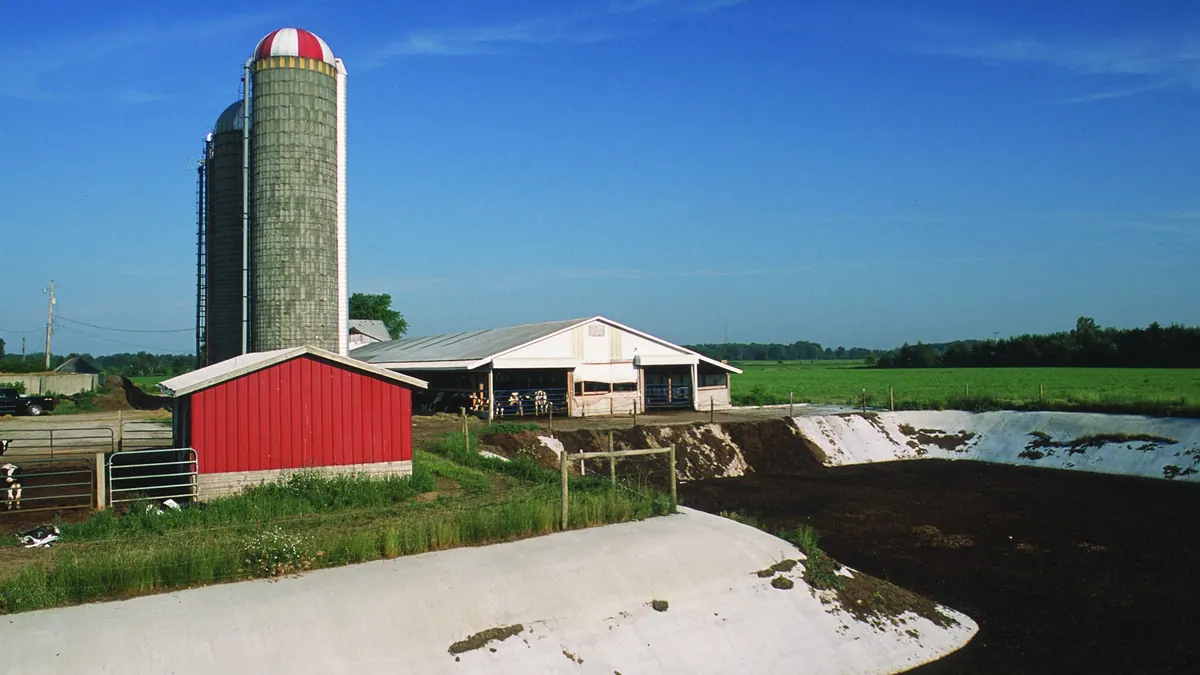
BioCycle describes a typical project as a cluster of several farms that together have 20–30 thousand dairy cows. Slurry from several farms goes to a shared installation, which makes it possible to reach the scale needed to clean the biogas to biomethane quality and inject it into the gas grid. This approach is particularly important in the USA, where many dairy farms are too small for a single biogas upgrading installation to be viable.
Climate effect
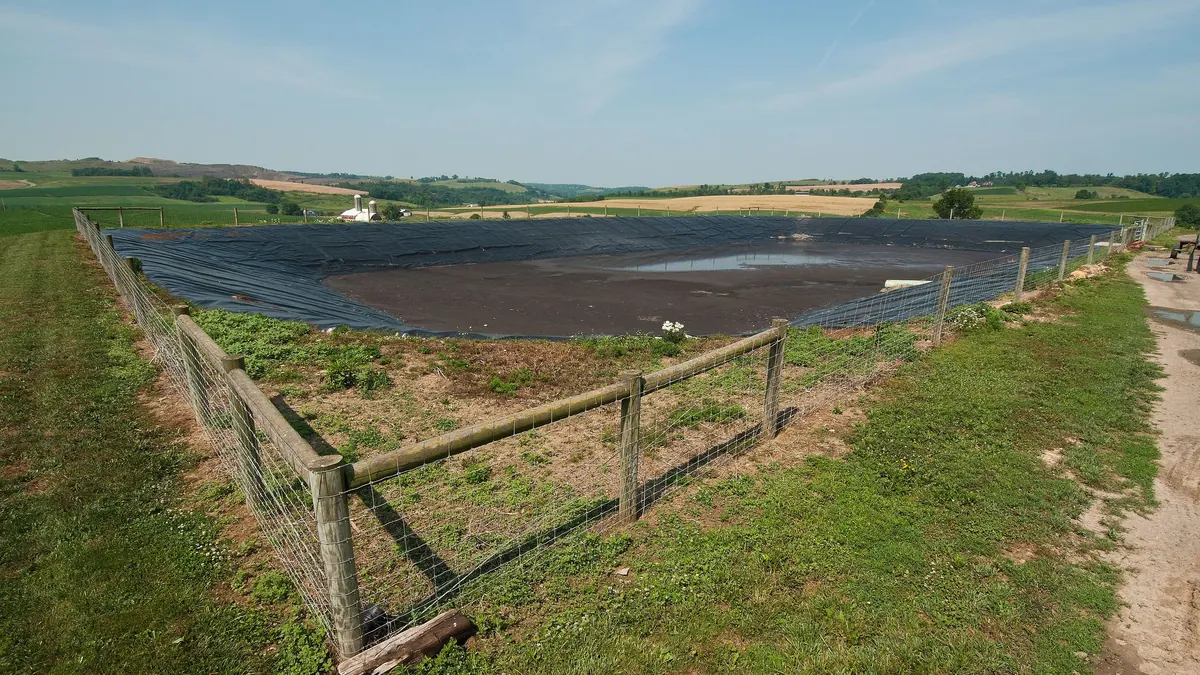
The companies estimate that implementing the programme will reduce annual emissions by more than 450 thousand tonnes of CO₂ equivalent. The main effect results from limiting methane emissions from stored slurry — methane is a gas with a global warming potential many times higher than CO₂, and open lagoons and slurry tanks are among its significant sources in agriculture.
Context: Dairy Farmers of America and the RNG market
In the background of the partnership there is a separate, long-standing cooperation between Vanguard and Dairy Farmers of America (DFA) — a national dairy cooperative which, according to the announcement, brings together more than 14 thousand members on more than 8 thousand farms in 48 states. BioCycle points out that Dominion had since 2018 a similar arrangement with Smithfield Foods in pig farming (Align RNG; a commitment of USD 500 million over 10 years), so for the company this was an extension of its strategy to dairy cattle.
What this means for Poland and Europe
The model of an "external investor + operator + many slurry suppliers" is an interesting reference for countries where small and medium farms dominate. In Poland dairy cooperatives and producer groups could consider similar clusters, but the condition is access to the gas grid or the possibility of producing bioCNG on site, and stable support systems for biomethane.
Sources
Related articles