BiogasEvent
EPA AgSTAR: about 400 farm biogas plants operate in the US, recovering energy from manure and reducing methane
According to EPA AgSTAR, 343 commercial farm biogas plants (290 dairy) were operating in January 2023, and 400 as of June 2024; in 2023 emissions fell by 14.8 million t CO₂e.
Other language versions: polski.
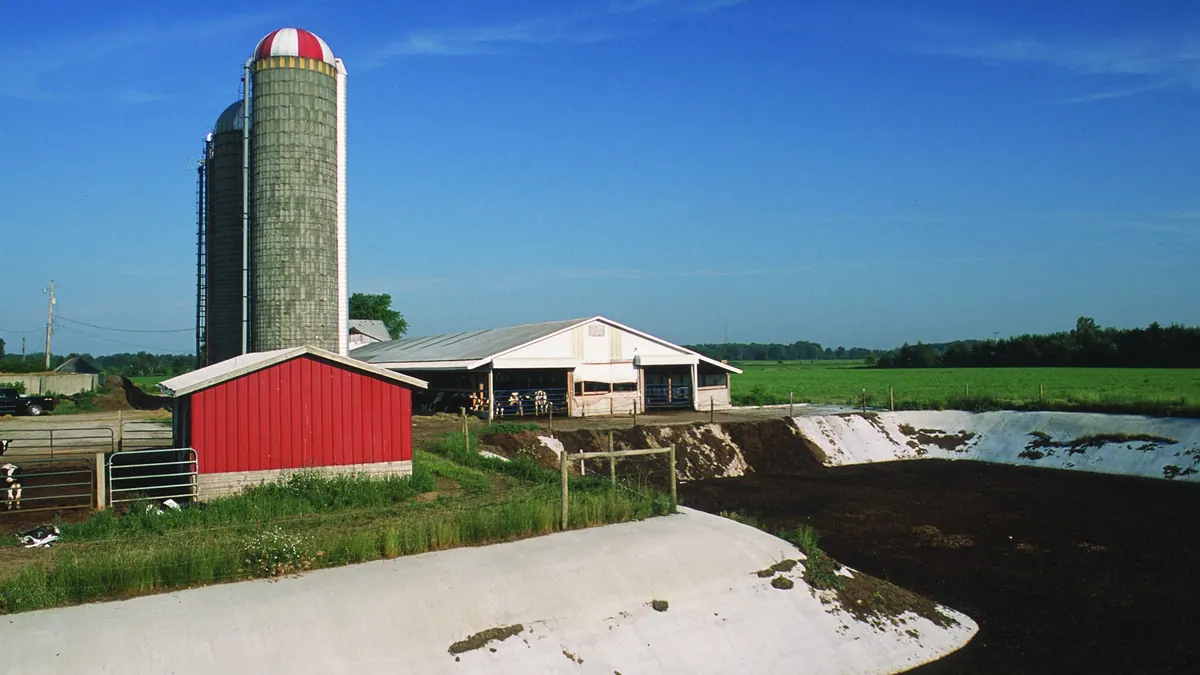

According to the EPA's AgSTAR programme, 343 commercial biogas plants on livestock farms were operating in the United States in January 2023, and as of June 2024 the EPA reports 400 operating installations, with a further 73 under construction or being upgraded to produce RNG. In 2023, 37 installations were commissioned, and by June 2024 at least 6 more. In 2023 manure-based installations reduced emissions by 14.8 million tonnes of CO₂ equivalent, of which 13.86 million tonnes was direct methane reduction.
Structure of the sector
An AgSTAR presentation (CSG Midwest, 2023) breaks down the 343 active installations as of January 2023 into: 290 at dairy farms, 46 swine, 9 beef cattle and 8 poultry; according to the current EPA page, in June 2024 there were 400 installations (343 dairy, 50 swine, 9 beef cattle and 8 poultry). In both breakdowns the sum of the categories exceeds the total number of installations, because some biogas plants take manure from more than one animal species. The dominance of the dairy sector reflects both the scale of production and the way slurry is managed: large farms collect it in lagoons, from which methane emissions are particularly high.
Climate and energy impact
For 2023 the EPA reports an emission reduction of 14.8 million t CO₂e, and energy production equivalent to about 3.29 million MWh. The result consists of direct methane reduction (13.86 million t CO₂e) and indirect reduction (0.98 million t CO₂e). From 2000 to 2023 manure biogas plants reduced emissions by a total of 95.7 million t CO₂e according to the EPA, and the EPA links the growth in direct reductions in recent years mainly to RNG projects started since 2017.
Types of installations
According to the table on the EPA page (400 installations, June 2024), the most common are covered lagoons (174), plug flow installations (107) and complete mix (105); the rest are induced blanket reactors (5), sequencing (3), fixed film (2) and 4 other or unknown. When citing the number of installations one should always give the date and source, because the number grows from year to year (e.g. 357 in 2022, 394 in 2023 according to the same database).
What drives the growth
In recent years the number of installations has grown mainly thanks to market support for RNG: RINs from the RFS and credits from state LCFS programmes (especially the Californian one), which translate into revenue from methane from slurry. Many new projects are clusters of several farms with biogas upgrading to biomethane and injection into the grid.
What this means for Poland and Europe
In Poland agricultural biogas plants are mostly energy-and-cogeneration installations using plant-based substrates. The American sector is closer to a "slurry disposal" model, in which the motive is methane reduction and a significant part of revenue comes from fuel credits (RINs from the RFS and LCFS credits). For EU countries where pressure to reduce agricultural emissions is growing, this is a useful reference point — provided one bears in mind that American results rest on support from the transport fuel market.
Sources
Related articles