USA: EPA publishes a federal plan for landfills — existing facilities under the 2016 guidelines
In May 2021 the EPA published a final federal plan for existing municipal solid waste landfills; the plan will enter into force on 21 June 2021 and cover existing landfills where no state plan applies, implementing the 2016 emission guidelines on landfill gas.
Other language versions: polski.

The US Environmental Protection Agency (EPA) published in May 2021 a final federal plan for existing municipal solid waste landfills. The federal plan will enter into force on 21 June 2021 (publication in the Federal Register: 21 May 2021) and cover existing landfills where no state or tribal plan applies; it implements the 2016 emission guidelines, which are meant to limit emissions of landfill gas, including methane. New landfills are subject directly to the 2016 NSPS standards.
Where the delay comes from
In August 2016 the EPA announced two complementary documents: new source performance standards (NSPS) and emission guidelines (EG) for landfills already operating. According to the EPA's 2016 fact sheet the updated guidelines were to apply to about 1,014 active, existing landfills with a design capacity of at least 2.5 million tonnes and 2.5 million m³ of waste. In the model of American air law, however, EG guidelines do not operate directly: each state must develop and submit its own plan to implement them. When some states failed to do so or the plans were not accepted, a gap arose, which the federal plan was meant to fill.
What the federal plan changed
According to the EPA fact sheet the federal plan applies where state or local authorities have not submitted a plan or the plan has not yet been approved; the EPA estimated that it may cover about 1,600 landfills in 41 states and in the territories of Puerto Rico and the Virgin Islands, and once a state plan is approved it ceases to apply in that state. The practical effect is that operators can no longer rely on the absence of a local plan as a "window" in the regulations.
What this means for landfill gas
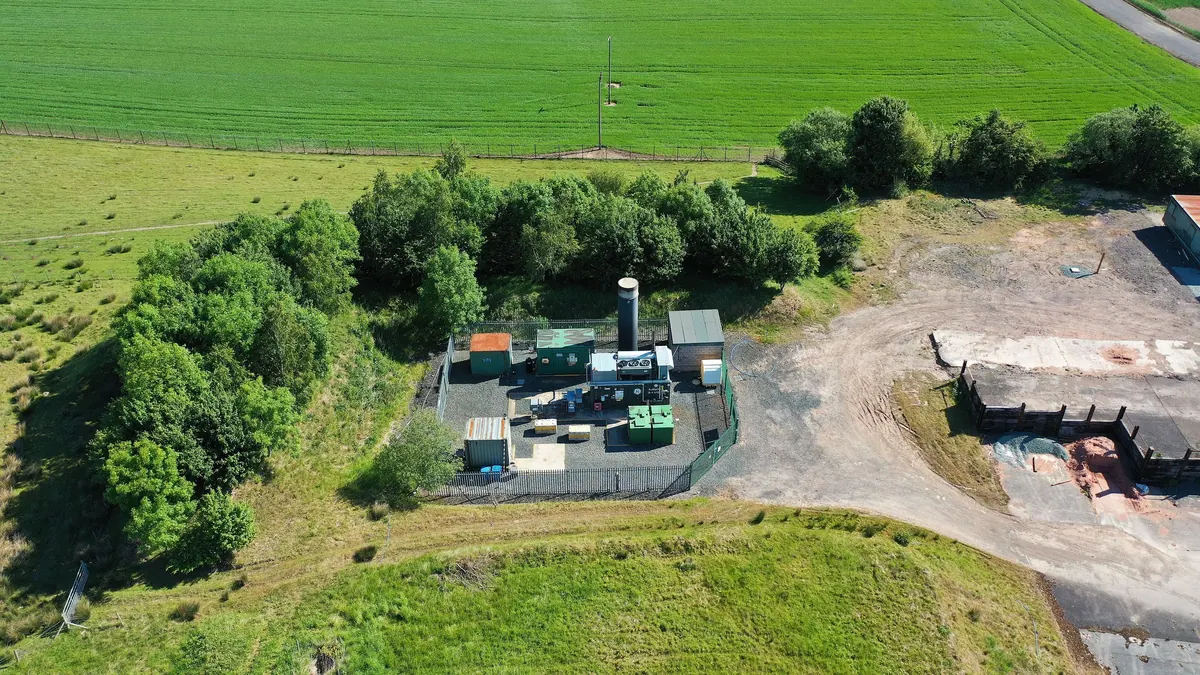
The standards require landfill gas collection and control systems at facilities of a suitable size or emissions. The collected gas can be flared or – increasingly – used for energy: to produce electricity or upgraded to biomethane (RNG). Emission rules thus create the base on which the landfill gas market in the USA is developing.
Outlook
The 2016 standards are a starting point, and the regulator may tighten them over time. Operators should follow both federal changes and state requirements, which in some states are more stringent.
What this means for Poland and Europe
In the EU, control of landfill gas results mainly from the Landfill Directive and national waste rules. The American case shows how a federal structure of power can delay effective enforcement of emission standards – a lesson useful when designing implementation instruments at member state level.
Sources
- Federal Register, 29.08.2016 — NSPS dla składowisk odpadów komunalnych (subpart XXX)
- EPA — Fact sheet: ostateczne NSPS i wytyczne emisyjne dla składowisk (2016)
- EPA — Fact sheet: ostateczny plan federalny dla składowisk (maj 2021)
- Harvard EELP — Regulatory Tracker: MSW Landfill Air Pollution Emission Standards
- Biodiesel Magazine — EPA issues federal plan for long-delayed MSW landfill regulations
Related articles