Washington: the Clean Fuel Standard and biomethane — rule changes in force from 20 November 2025
An analysis of the Clean Fuel Standard programme in Washington State: the January 2023 start, the role of biomethane, and the changes to book-and-claim accounting and avoided methane crediting that came into force on 20 November 2025.
Other language versions: polski.
Washington State has run its own low-carbon fuel programme — the Clean Fuel Standard (CFS), created by a 2021 act (RCW 70A.535) — since January 2023. For biogas it is as significant as the Californian LCFS: biomethane from manure and waste can generate credits that substantially improve project economics. The rule changes concerning, among other things, the accounting of biomethane using the book-and-claim method and the crediting of avoided methane were filed by Ecology on 20 October 2025 and came into force on 20 November 2025.
The mechanics in brief
As in California, fuels with a carbon intensity (CI) lower than the benchmark generate credits, and those with a higher one generate deficits. Programme participants report quarterly. Ecology's data for the third quarter of 2025 show that participants generated 389,890 credits and 351,859 deficits, and the main sources of credits were electricity, ethanol, renewable diesel, biodiesel and biomethane.
Biomethane and avoided methane
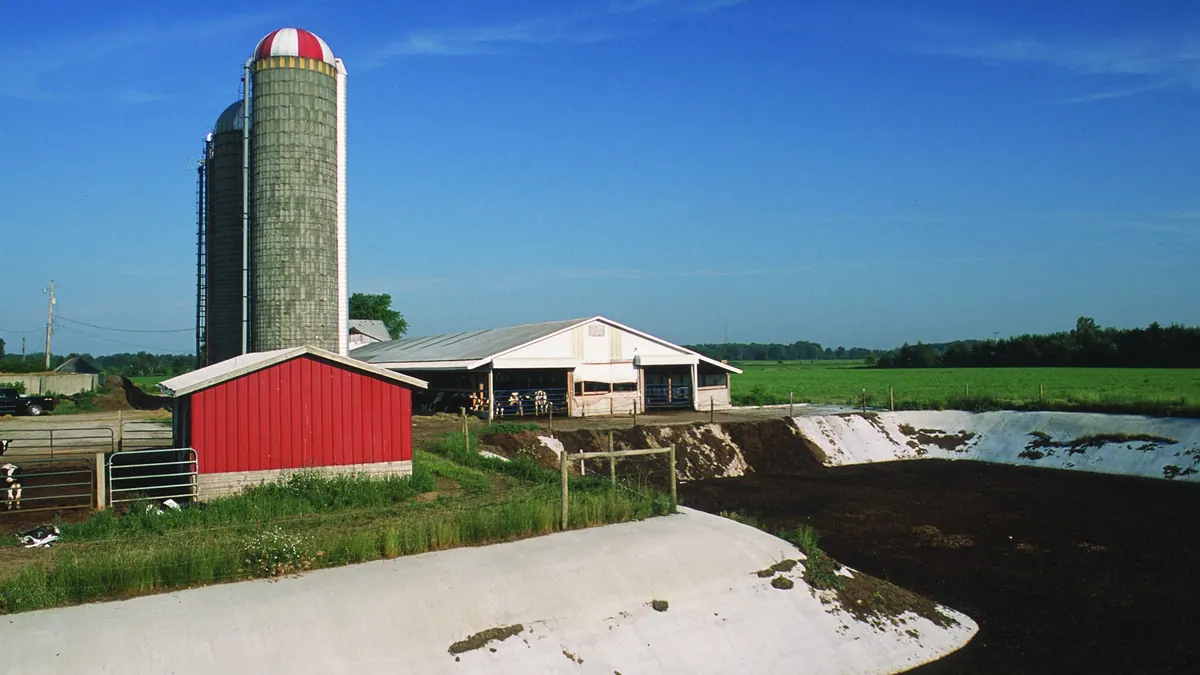
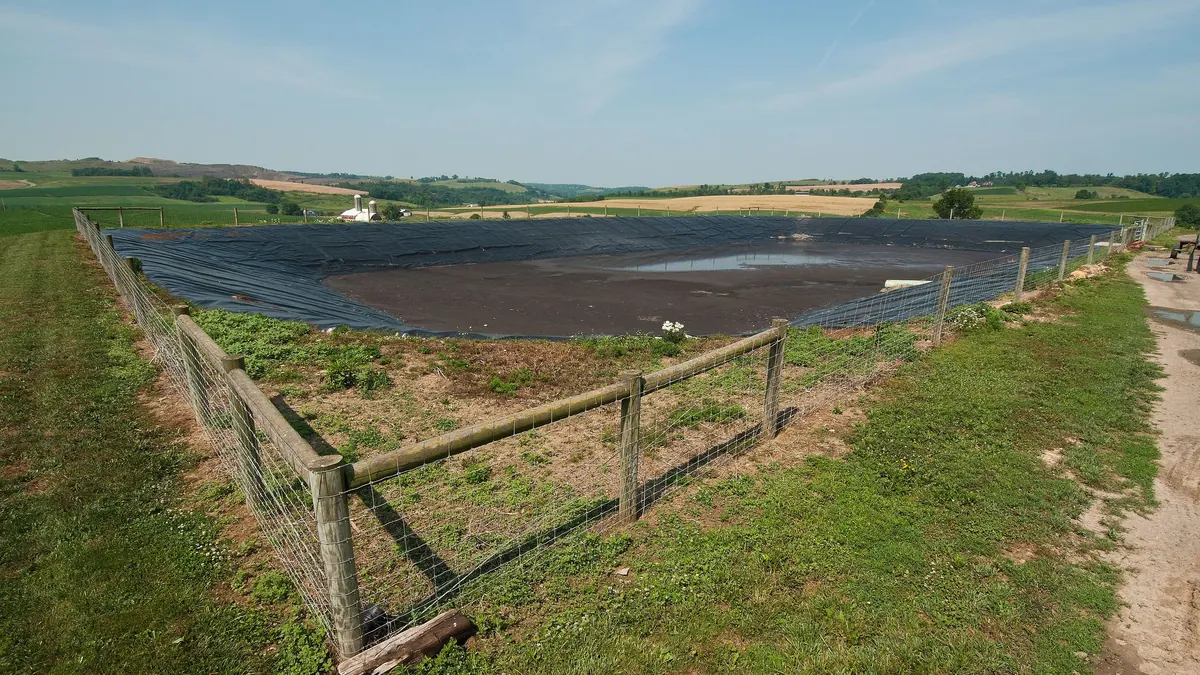
In Ecology's presentation of July 2025, "avoided methane crediting" was described as the award of additional CFS credits for obtaining biomethane from livestock manure and using it as a transport fuel or as a feedstock for other fuels. In its summer 2025 proposal Ecology envisaged limiting the crediting period to 15 years (two periods of 7.5 years) and giving the highest incentives to projects started after the programme began in January 2023; projects operating earlier could receive these credits, but for a shorter time. Environmental organisations (including Friends of the Earth) urged the state to remove these credits, arguing that they create perverse incentives for large-scale livestock farming.
Changes of November 2025
According to the rule WSR 25-21-106 (filed on 20 October 2025, in force from 20 November 2025), the avoided methane crediting requirements were changed – credits apply to voluntary capture of methane from cattle and pig manure and from organic waste diverted from landfills – and the highest incentives were granted to new projects whose construction begins by 31 December 2029 at the latest; safeguards against negative environmental and health impacts were also added. The rules for indirect accounting (book-and-claim) for biomethane and electricity were also changed; they allow fuel producers to reduce their reported carbon intensity through indirectly delivered renewable energy or biomethane, under conditions set out in the regulations, with an emphasis on production in the state and region. The rule also provides for closer alignment with the California and Oregon programmes. The full wording of the conditions should be checked in the text of the rule.
What we do not know
We have not found in an open source the prices of CFS credits or the volume of biomethane accounted for in the programme. Data on quarterly credits are published by Ecology.
What this means for Poland and Europe
Washington shows how regulators in different jurisdictions try to reconcile two things: rewarding real methane reductions and preventing perverse incentives for large-scale livestock farming. In the EU a similar tension concerns the role of slurry in biomethane targets; the lesson from the US is the need for a clear methodology and transition periods for investors.
Sources
Related articles