Law and regulationEvent
California: CARB approves LCFS amendments — phasing out credits for avoided methane emissions
On 8 November 2024 the CARB board approved changes to the Low Carbon Fuel Standard, including a phase-out of credits for "avoided methane" awarded to biomethane; the details for manure were reported inconsistently.
Other language versions: polski.

The California Air Resources Board (CARB) approved on 8 November 2024 amendments to the Low Carbon Fuel Standard (LCFS) programme. According to Biomass Magazine, the changes are meant to reduce the carbon intensity of California's transport fuels by 30% by 2030, while also changing the rules for the participation of biofuels, including renewable natural gas (RNG). One of the most widely discussed topics was the credits for so-called avoided methane awarded to biomethane.
What "avoided methane" is
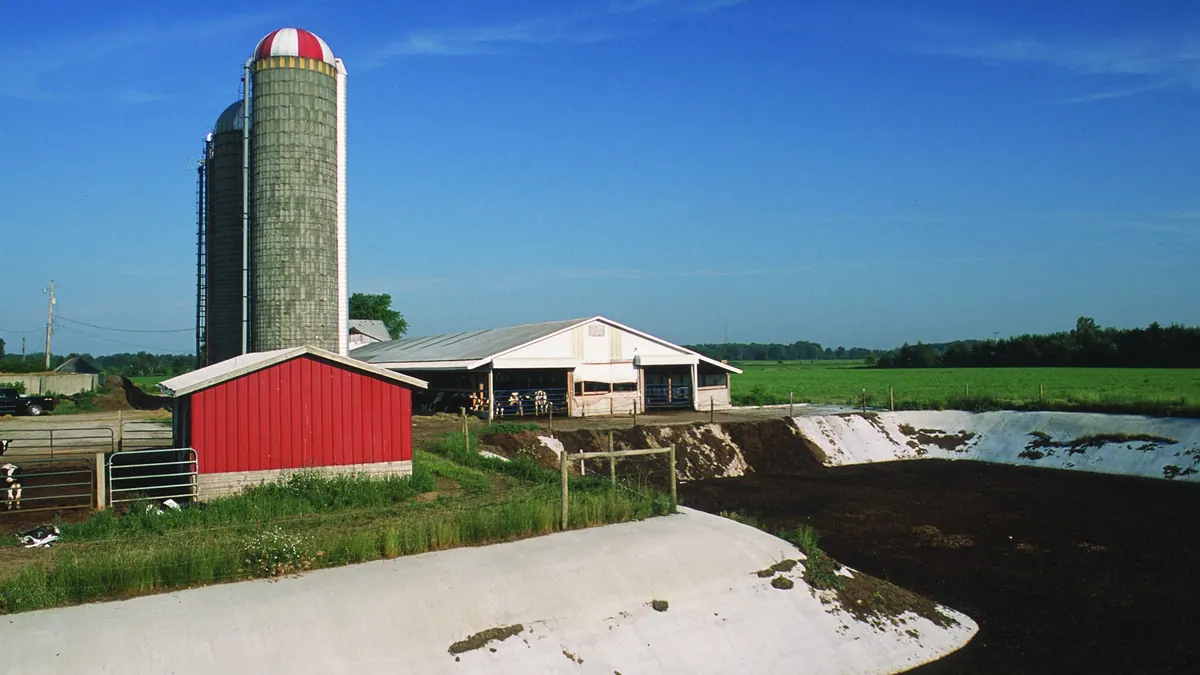
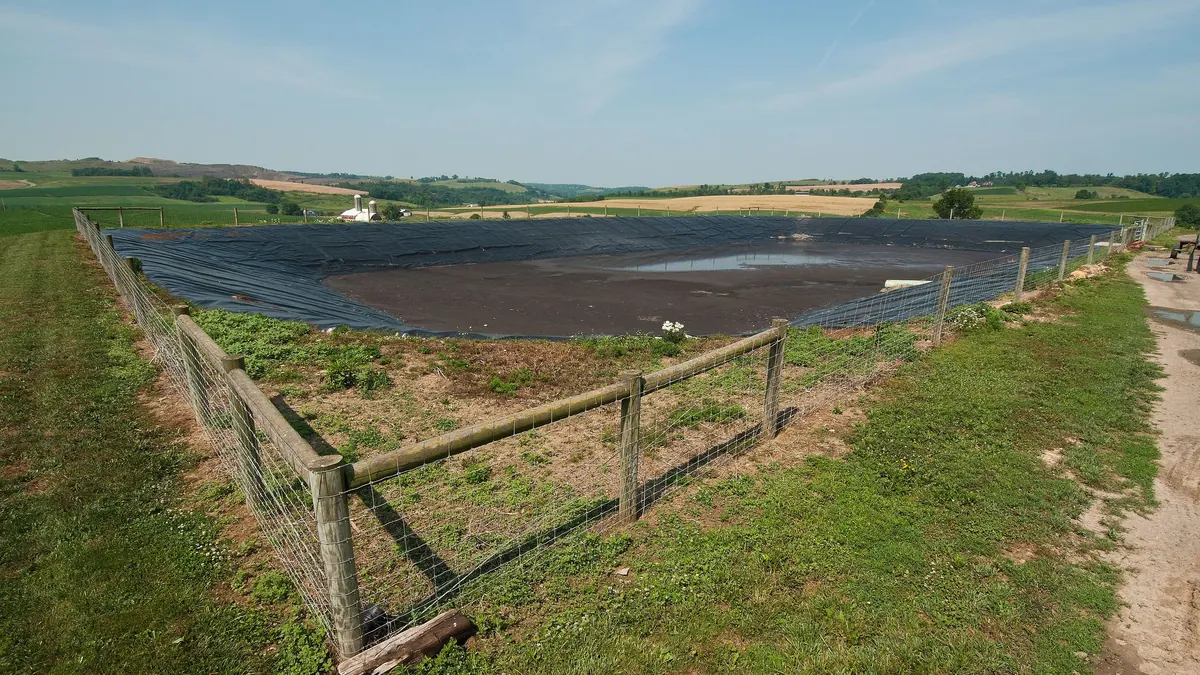
Under the LCFS methodology, biomethane from manure can achieve a very low, even negative, carbon intensity, because capturing methane from slurry lagoons prevents its emission, which would have occurred without the biogas plant. This counted "saving" improved the profitability of many Californian projects, but it drew criticism from environmental organisations, who argue that it rewards the continued operation of large-scale farms.
What the amendments provide
Biomass Magazine reports that the amendments phase out crediting of avoided methane linked to the use of biomethane as a burned fuel, but extend the possibility of using biomethane to produce renewable hydrogen. For RNG projects started (ground-breaking) after 31 December 2029, LCFS credit generation is to end after 31 December 2040. From 1 January 2030, hydrogen supplied as a vehicle fuel must come from renewable sources to the extent of at least 80%. Other media, however, described the details for manure-based biogas plants inconsistently – the crediting periods for existing projects and those under construction by 2030 were presented in different ways – which is why investment analyses must rely on the text of the regulation.
The further course of the process
After the vote the regulations still had to go through further procedural stages (15-day notices of modifications, approval by the Office of Administrative Law); the details and dates are given in the update.
Market significance
The Californian LCFS is one of the most important sources of revenue for manure biomethane projects, and credit prices strongly affect the profitability of agricultural investments. Changes to the crediting rules therefore affect investment plans across the country, including in other states with clean fuel programmes, such as Oregon and Washington.
What this means for Poland and Europe
The debate around "avoided methane" mirrors the EU discussion about the role of slurry in national biomethane targets and about whether a biogas plant should be credited for reducing emissions that would only hypothetically have occurred. In the EU the answer is provided by the RED methodology (emissions from slurry storage as a credit), but the Californian disputes show that this construct can be politically sensitive.
Sources
Related articles