BP closes the acquisition of Archaea Energy for USD 4.1 billion — one of the largest RNG players in the USA
On 28 December 2022 BP completed the acquisition of Archaea Energy, an American developer of landfill gas RNG projects; the value of the transaction is USD 4.1 billion.
Other language versions: polski.
The BP group announced on 28 December 2022 the completion of the acquisition of Archaea Energy – an American producer of renewable natural gas (RNG) and energy from landfill gas. The value of the transaction was put at USD 4.1 billion, which includes a price of USD 26 per share and about USD 800 million of net debt. The transaction was announced in October 2022, and Archaea shareholders approved it on 13 December.
What BP bought
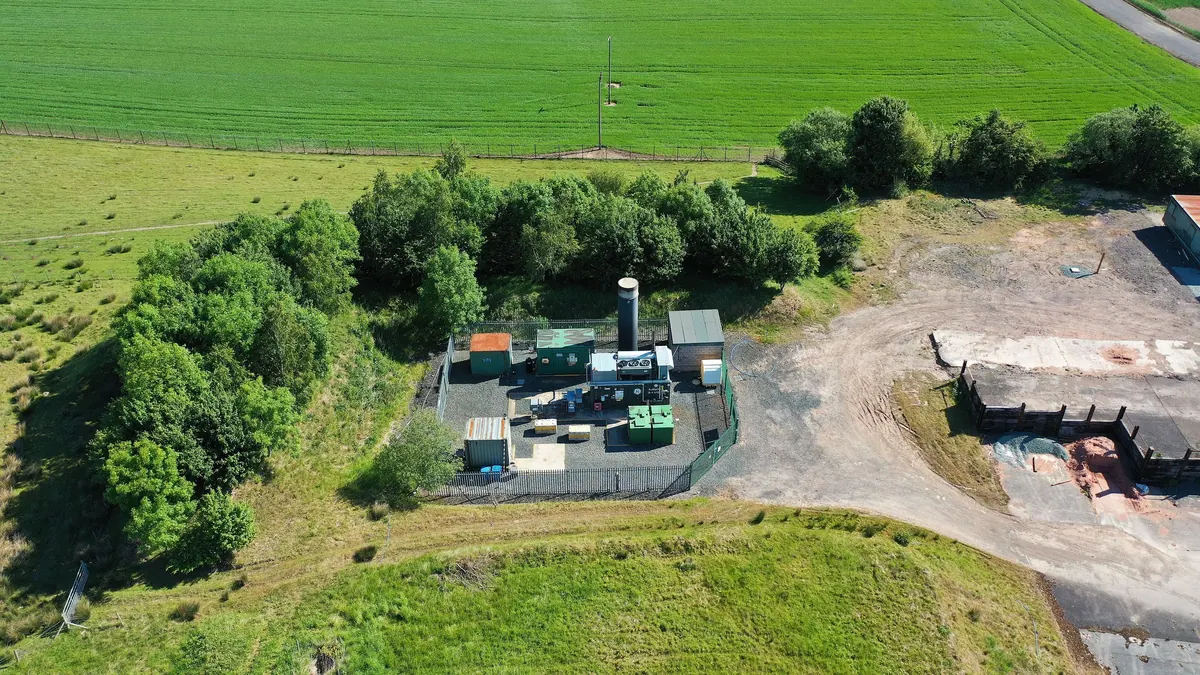
According to Waste Dive, Archaea became a public company in September 2021 as a result of a merger with Aria Energy carried out by a SPAC-type company, and quickly became a leading developer of landfill gas RNG projects in the USA. The company specialised in acquiring and modernising existing landfill gas systems and expanding them with upgrading to biomethane. Dave Lawler, president of BP America, said that BP sees a "huge opportunity" to grow its bioenergy business thanks to the full integration of Archaea.
Why landfill gas RNG is attractive
In the USA, RNG sold as a transport fuel can generate valuable regulatory instruments: RIN units under the federal Renewable Fuel Standard and credits in state low-carbon fuel systems, such as California's LCFS. Landfill gas is a convenient source: landfills already exist, have a degassing network, and gas customers are available thanks to the extensive gas infrastructure.
Why companies buy portfolios instead of building from scratch
Building an RNG installation from the ground up requires obtaining permits, agreements with the landfill owner, a grid connection and capital for biogas upgrading. Acquiring a company with operating facilities shortens this chain: gas volumes and revenue appear immediately, and expanding existing systems (increasing gas extraction, adding an upgrading line) is often cheaper than new projects.
Market significance
The transaction was one of the largest in the biogas sector at the time and showed that large fuel companies treat RNG as a growing segment of their low-carbon portfolio. At the same time, consolidation around a few large players may change market dynamics for smaller developers, especially in negotiations over access to landfills and injection points.
What this means for Poland and Europe
In Europe the biomethane market is more fragmented and relies on guarantees of origin and national support mechanisms. The American example shows, however, the direction in which oil and gas companies may go in the EU as well: acquiring ready-made portfolios of existing installations instead of building from scratch.
Sources
Related articles