Law and regulationEvent
Poland submits to the Commission its National Energy and Climate Plan for 2021–2030
On 30 December 2019 the Minister of State Assets submitted the National Energy and Climate Plan (KPEiK) to the EC — a document required by Regulation 2018/1999 on the governance of the energy union. The plan covers five dimensions of energy policy.
Other language versions: polski.
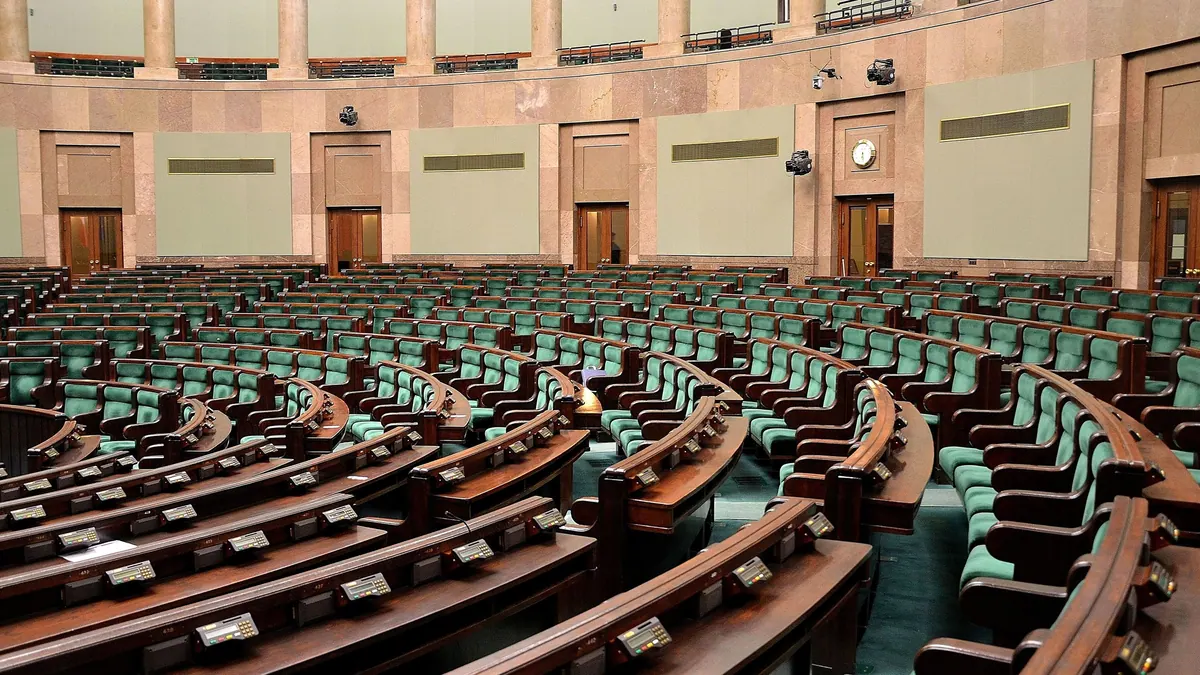

On 30 December 2019 the Minister of State Assets submitted to the European Commission the National Energy and Climate Plan for 2021–2030 (KPEiK). The plan, required by Regulation (EU) 2018/1999 on the governance of the energy union, was to show how Poland intended to achieve the common EU energy and climate goals. Earlier, on 18 December, the document had been adopted by the European Affairs Committee.
What the plan contains
The KPEiK is a strategic document organising national policy in five dimensions of the energy union:
- energy security,
- the internal energy market,
- energy efficiency,
- decarbonisation,
- research, innovation and competitiveness.
From an emissions perspective, the national target for sectors not covered by the ETS (including agriculture, transport, buildings and waste) is important: a reduction of 7% by 2030 relative to 2005. The plan also sets out directions for the development of renewable energy sources, including bioenergy, and indicates which instruments are to support these goals.
Biogas in the background of the plan
Although the KPEiK is a general document, later estimates of biogas potential were based on it. Trade publications cited from it a biogas potential from the agri-food sector of 7–8 billion m³ per year. This figure then returned in the debate on the development of biogas and biomethane in Poland.
Why the plan mattered for the industry
- It was a formal point of reference for the Commission, which assessed the adequacy of national plans and identified gaps.
- It set the framework for funding programmes (including EU funds) and national support instruments.
- It was linked to the draft Energy Policy of Poland until 2040.
What the KPEiK is in the legal system
National plans are part of the energy union governance mechanism. Member States submit a draft plan, receive recommendations from the Commission, then submit the final version and report progress every two years. The document is not a statute — it does not grant support or impose obligations on businesses — but it determines the direction of later programmes, auctions and regulations. For a biogas investor it is therefore a source of information about which technologies the state considers a priority, and for the authorities — a point of reference when assessing subsequent programmes and draft laws.
What next
In 2020 the Commission is to assess the final plans of the Member States. If the EU emission reduction target for 2030 were raised — which the Commission announced in the European Green Deal — this would mean the need to update the KPEiK. For biogas and biomethane investors it will be important whether the new version of the plan contains specific volume targets and support mechanisms — without them it is hard to justify long-term investment.
What to pay attention to
A reader interested in biogas should pay attention not only to the general reduction targets, but also to the chapters on renewable energy sources in heating and transport. It is there that provisions most often appear which later translate into specific grant programmes and support mechanisms.
Sources
Related articles