BiogasAnalysis
Biogas in urban agglomerations: examples from Berlin and Oslo and lessons for Poland
Berlin processes biowaste at Ruhleben into biomethane for refuse trucks, and since 2012 Oslo has fuelled buses with biogas from food waste. What do these examples mean for Polish cities?
Other language versions: polski.
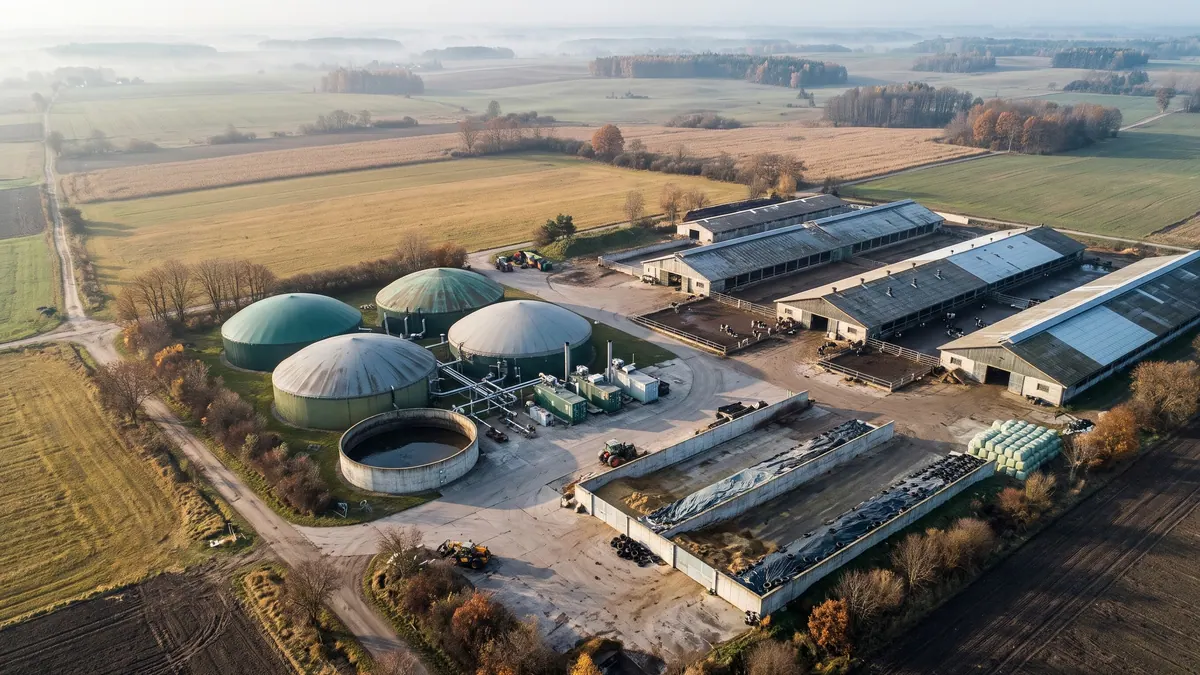
Urban biogas plants are not a theoretical idea: Berlin processes household biowaste at Ruhleben into biomethane for refuse trucks, and since 2012 Oslo has fuelled buses with biogas from food waste. Both examples show that the condition for success is separate collection of good-quality biowaste and a clear off-taker for the gas.
Berlin: Ruhleben
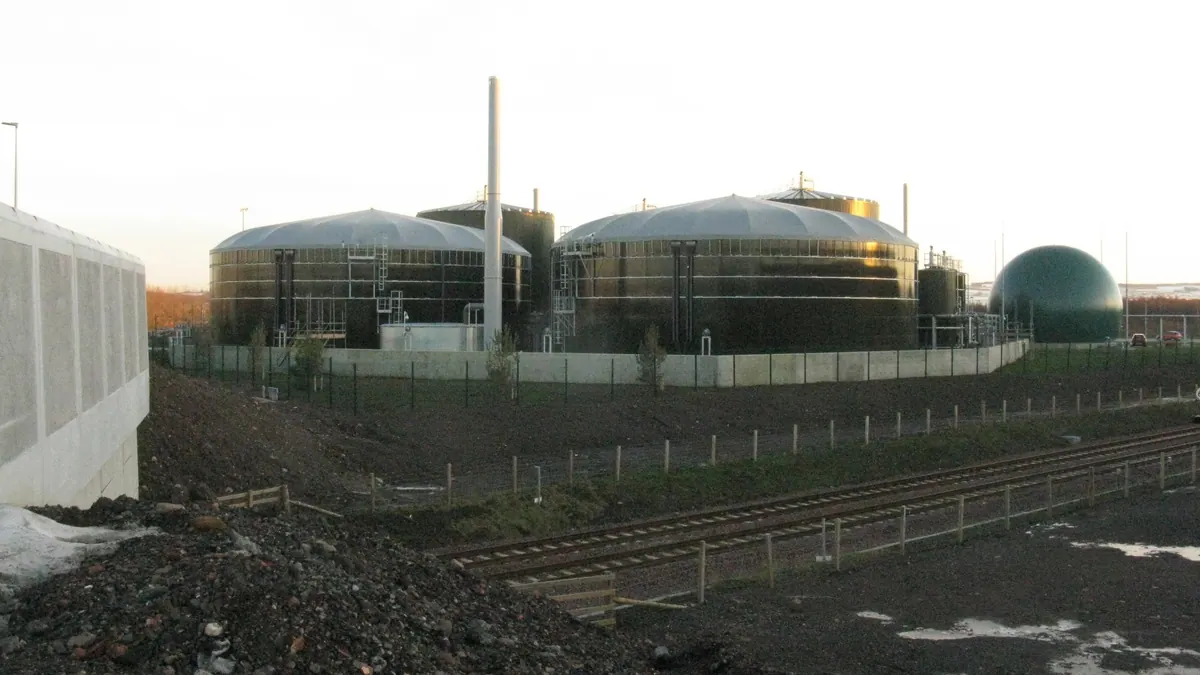
The Berliner Stadtreinigungsbetriebe (BSR) plant in Ruhleben is designed for about 60 thousand t of biowaste a year and operates using dry fermentation technology. According to the Umweltbundesamt, about 70 thousand t of biowaste from Berlin households is upgraded to biomethane, injected into the local gas grid, and BSR materials describe the biomethane as being used as a vehicle fuel. The methane content after upgrading is about 98%. The UBA states that more than half of about 360 waste collection vehicles use the biomethane, and BSR estimated the savings at about 2.5 million litres of diesel and about 9 thousand t of CO₂ a year (older announcements gave about 12 thousand t). The discrepancies result from different years and calculation methods. It is worth noting that the plant itself is part of an entire chain: households with brown bins, a fleet of refuse trucks fuelled with local gas, and the accounting of biomethane in the grid.
Oslo: Romerike
Romerike Biogassanlegg in Nes near Oslo has operated since 2012 and is operated on behalf of the Waste-to-Energy Agency (EGE) and the city of Oslo. According to available descriptions, the plant is designed for about 50 thousand t of food waste a year (Cambi states on its website 15 thousand t of dry matter; the figures differ in their basis), and the biomethane produced fuels city buses, according to one description about 135 buses, with a reduction in fossil CO₂ emissions of about 10 thousand t a year. The plant was built by Cambi and is operated on behalf of the city of Oslo and the EGE agency.
What counts in a city
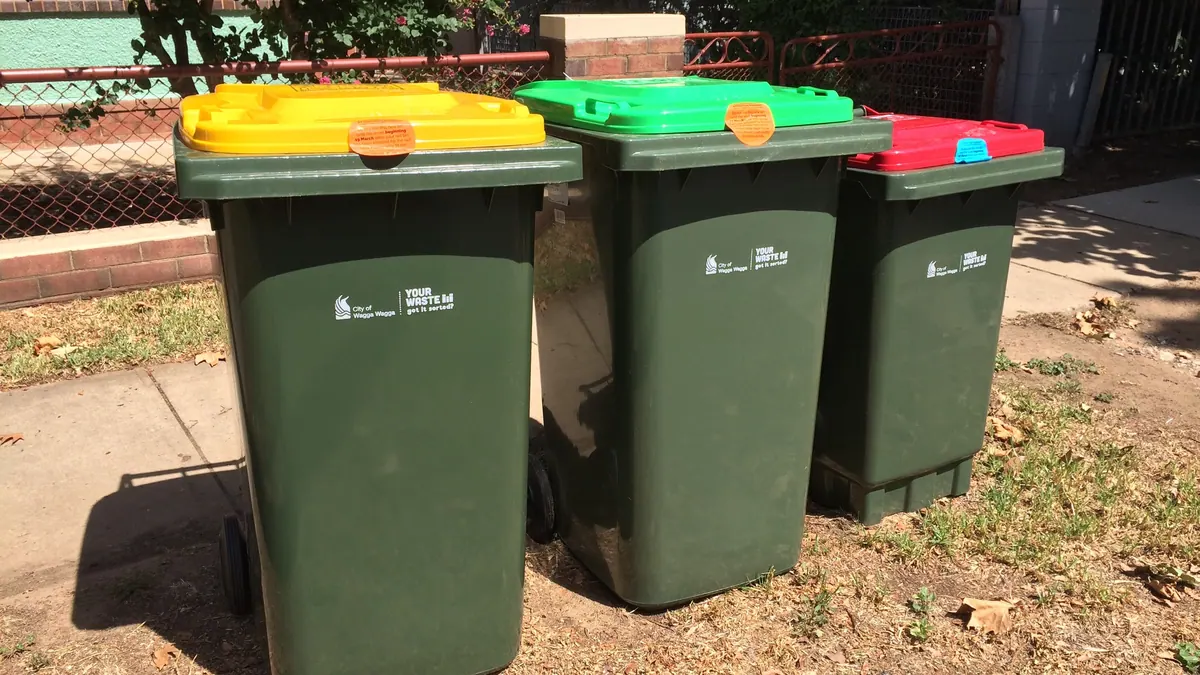
- Quality of collection: the cleaner the biowaste, the simpler the depackaging and the fewer the downtimes. In Poland, brown bins and the obligations of municipalities are described in the entry Separate collection of biowaste in municipalities.
- Choice of technology: composting is cheaper, digestion yields energy; a legal and odour comparison: Composting or digestion of biowaste.
- Gas off-take: the gas grid, a vehicle fleet or cogeneration with heat to a network. Choice of path: CHP or biomethane.
- Digestate: where it is used and meeting quality requirements (Digestate: fertiliser or waste).
- Odours and public acceptance: enclosed reception halls, negative-pressure ventilation, biofilters and rapid processing of deliveries limit nuisance. Honest communication with residents has technological significance, because complaints can force changes in operation.
Perspective for Poland
EU Directive 2018/851 requires separate collection of biowaste or recycling at source by the end of 2023, and Polish municipalities must ensure separate collection of biowaste from residents. Large cities generate enough biowaste to feed one or more plants, but regional planning is needed: location, consents, financing and gas off-take. The rules for planning municipal installations are described in the entry RIPOK and WPGO: regional waste treatment installations and waste management plans. Implementation depends on cooperation between local authorities, operators and technology suppliers, and on stable sources of funding.
The lessons from Berlin and Oslo are consistent: an urban plant is not an isolated facility, but an element of a system in which collection, processing and use of the gas must complement one another.
Odours: what actually helps
Fear of odour nuisance is the most common argument against plants near residential development. The risk is reduced by: receiving deliveries in an enclosed hall under negative pressure, rapid processing of fresh biowaste, treating process air in biofilters or scrubbers, and closed digestate stores. This is not, however, a guarantee without problems: effectiveness is determined by the quality of the design and operating discipline, as well as transparent communication with residents, including quick responses to reports.
When planning it is also worth comparing the costs of hauling biowaste with the costs of gas transmission, because they often decide the location.
Sources
Questions and answers
Can a biogas plant operate in a city?
Yes, but it requires separate collection of biowaste, airtight reception halls, odour control and management of the gas and digestate. Examples from Berlin and Oslo show that it is possible with proper organisation.
Related articles