BiogasExplainer
Methanogens in a biogas plant: acetoclasts, hydrogenotrophs and syntrophy
Who produces methane in the digester and why the composition of the microbial community changes with ammonia, temperature and substrate. Practical conclusions for the operator.
Other language versions: polski.
Methane in the digester is produced by archaea known as methanogens, which use two pathways: acetoclastic (acetate → CH₄ + CO₂) and hydrogenotrophic (4 H₂ + CO₂ → CH₄ + 2 H₂O). In a stable process with little ammonia load the first prevails; at a high concentration of ammonium nitrogen the second plays an increasing role, coupled with acetate-oxidising bacteria. The difference matters in practice, because the two pathways react differently to disturbances.
Two routes to methane
| Feature | Acetoclasts | Hydrogenotrophs |
|---|---|---|
| Substrate | acetate | H₂ and CO₂ (or formate) |
| Typical representatives | Methanosaeta, Methanosarcina | including Methanobacteriales, Methanomicrobiales |
| Growth rate | slow | usually faster |
| Sensitivity to ammonia | high (especially Methanosaeta) | lower |
| Role in a typical plant | most of the CH₄ in a stable process | dominate under conditions of high NH₄⁺ and thermophilic conditions |
Methanosaeta has a high affinity for acetate and wins at its low concentration, but tolerates fluctuations poorly. Methanosarcina grows faster and copes better with overload and a higher acetate concentration, at the cost of lower affinity.
Syntrophy: why hydrogen is a "signal"
Bacteria that oxidise propionate or butyrate to acetate and H₂ work only when the hydrogen is immediately consumed by hydrogenotrophs. If the partial pressure of H₂ rises (disturbed methanogenesis, temperature shock, an inhibitor), propionate accumulates — which is why it is sometimes an early indicator of trouble, earlier than a fall in pH.
Syntrophic acetate oxidation (SAO)
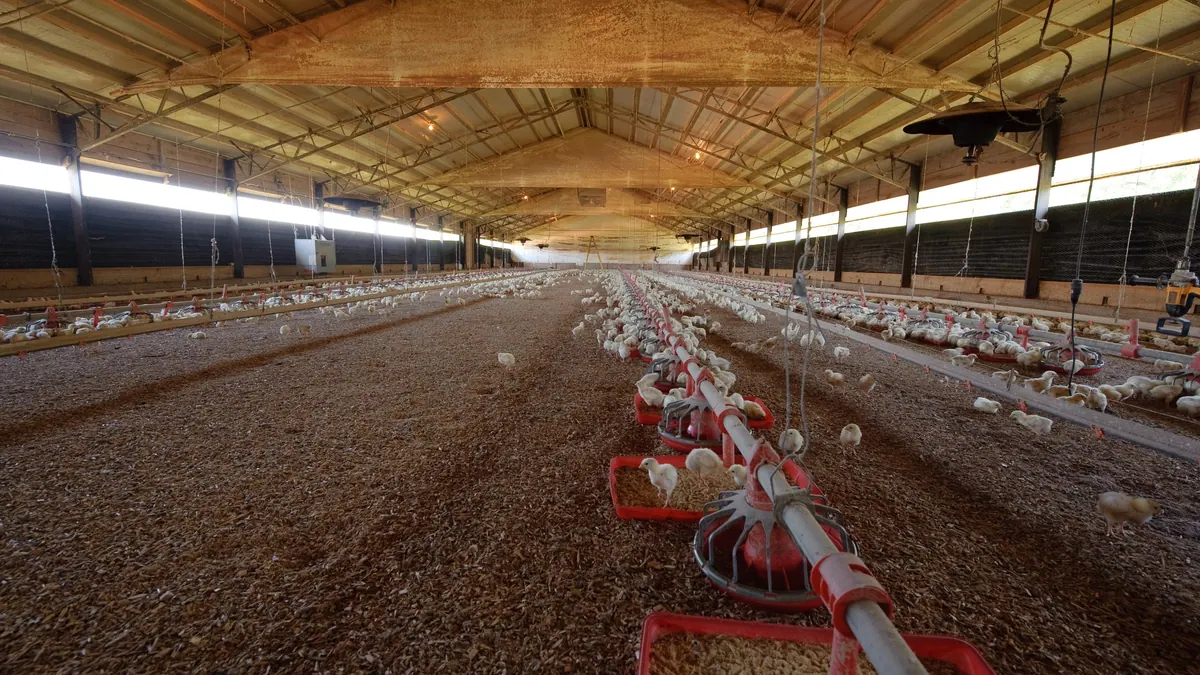
At a high ammonia concentration (the literature often speaks of ammonium nitrogen on the order of several g N/l) acetoclasts are strongly inhibited. Acetate is then oxidised by specialised bacteria to H₂ and CO₂, and these are consumed by hydrogenotrophs. The process works, but is slower and more fragile. It is typically found in plants with a large share of poultry or pig slurry, protein wastes and under thermophilic conditions, where the share of free NH₃ is higher.
Effect of temperature
Changing from mesophilic to thermophilic conditions (and vice versa) requires the community to be rebuilt. A slow temperature rise is recommended (on the order of 1 °C per day or slower — the value depends on the plant), and the process is sometimes less efficient during this period.
Should the microbiome be tested?
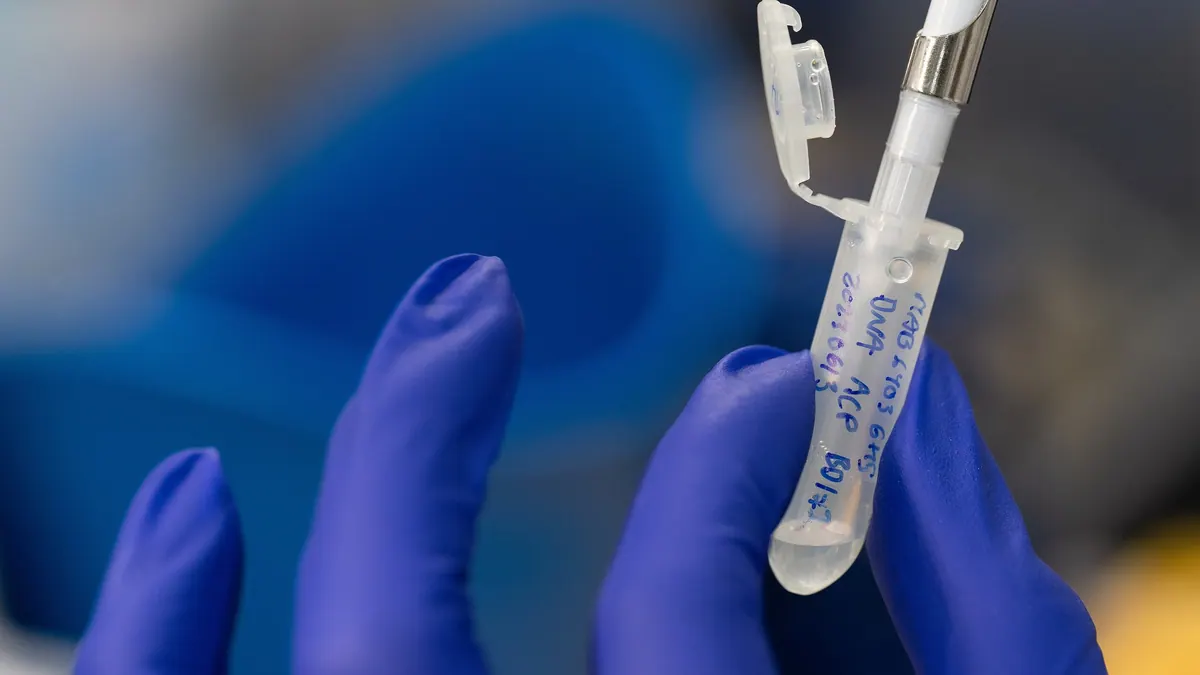
Sequencing of the 16S rRNA gene shows the composition of the community and can support diagnosis, e.g. confirm a shift to SAO. It has limitations, however:
- the result is a snapshot and depends on the sampling method,
- there are no universal threshold values for a "healthy" community,
- cost and waiting time rule it out for routine control.
Daily diagnostics remain: gas composition, pH, FOS/TAC, the acid profile (VFA), ammonium nitrogen concentration and temperature.
Conclusions for the operator
- Do not shock the digester: introduce changes in temperature, feed rate, mix composition and the addition of inhibitors gradually.
- Watch propionate and the propionate/acetate ratio as an indicator of syntrophy.
- At high NH₄⁺ assume slower kinetics and a lower load; consider dilution or a change of mix.
- After a disturbance expect recovery to take weeks — methanogens double much more slowly than bacteria.
- Do not overreact to a single measurement: a trend over several days says more than one sample.
Understanding the division between the pathways allows analytical results to be interpreted more accurately: a rise in acetate without a rise in propionate points to different problems than the reverse, and a predominance of hydrogenotrophs is often a sign that the process "lives" on high ammonia and requires careful operation.
Inoculum and "experienced" biomass
Seeding a new digester with digestate from a working plant supplies a ready community, but its composition depends on its origin. Inoculum from a digester running on poultry slurry is adapted to ammonia, but may break down carbohydrate substrates more slowly; inoculum from a digester running on silage is the opposite. That is why, in BMP tests and at start-up, a description of the inoculum's origin is key information.
Monitoring tips
| Observation | Possible meaning |
|---|---|
| Acetate rising, propionate stable | general overload or inhibition of acetoclasts |
| Propionate and butyrate rising | disturbed syntrophy, elevated H₂ |
| High TAN and stable operation | probably SAO and hydrogenotrophs |
| Sudden drop in CH₄ after a temperature change | thermal shock, recovery needed |
The tips are indicative and must always be confirmed by measurements at the given plant.
Why this matters when designing the mix
If you are planning a mix with a large share of poultry droppings or protein wastes, assume from the start that the process will run in a high-ammonia regime — with slower kinetics, a lower possible load and the need for a longer start-up. A plant running on silage and cattle slurry, in turn, usually relies on acetoclasts and is more flexible, but has a smaller buffer and requires trace elements to be supplemented. These differences should translate into recommendations for the crew and the scope of laboratory tests.