Waste and circular economyEvent
Korea: from 1 January 2026 a ban on direct landfilling of municipal waste in the Seoul metropolitan area
From the start of 2026, municipal waste may not be landfilled without prior treatment in Seoul, Incheon and Gyeonggi Province. On the second day, 66 t went to the Sudokwon landfill, about 3% of the previous average.
Other language versions: polski.
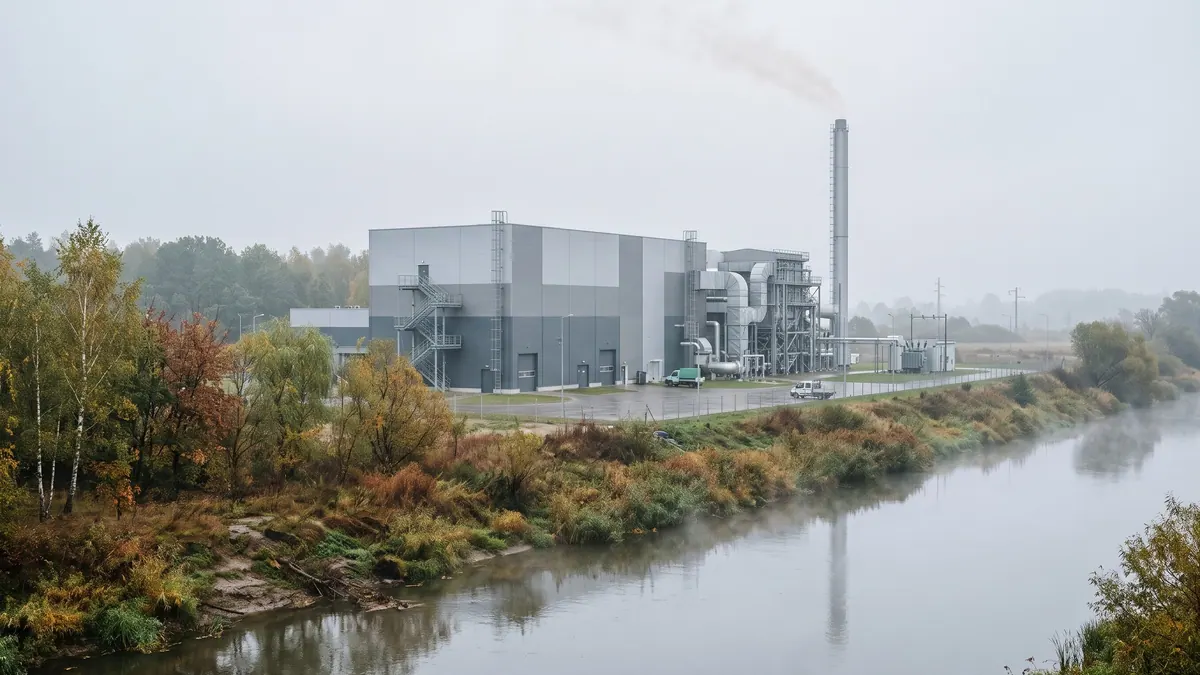
From 1 January 2026 a ban on direct landfilling of municipal waste has applied in the Seoul metropolitan area – in the capital, the city of Incheon and Gyeonggi Province. According to the Korea Times, at the Sudokwon landfill in Incheon only ash and residues from incineration or sorting may now be buried, and the region's local authorities must incinerate or recycle waste before anything goes to the landfill. This is the first stage of the change: the same ban is to cover the rest of Korea in 2030.
The first days
According to the state-owned Sudokwon Landfill Management Corp., on the second day of the ban 66 t of municipal waste went to the landfill, i.e. about 3% of the previous year's daily average (2045 t). The Korea Times writes that the feared waste crisis did not occur in the first weeks, but officials admit that without serious investment in incinerators and other infrastructure it could become a source of political tension and regional conflict.
Seoul: where the waste goes
According to Jung Mi-sun, director of the resource circulation division in Seoul, households in the city generated about 3000 t of waste a day in 2025. On average over the year about 67% was incinerated in the city's waste-to-energy plants in the Gangnam, Nowon, Mapo and Yangcheon districts; the rest went outside the city – partly to Sudokwon and partly to private incinerators. In the first weeks of 2026 the city incinerated about 83% of household waste in its own plants; the remaining 17% had to go to private facilities, because Seoul has no private incinerators. Since 1 January only about 0.3% of the city's household waste has gone to private incinerators in the Chungcheong region, which provoked protests from local authorities there, e.g. the mayor of Cheongju.
The incineration capacity gap
The four incinerators of the city of Seoul have a capacity of about 2850 t per day, which – as the Korea Times reports – leaves the city about 1000 t per day short of the capacity needed under the ban (the newspaper does not explain how this gap relates to the roughly 3000 t of household waste generated daily). Construction of an additional incinerator in Mapo was halted because of residents' opposition and an administrative court ruling. According to the Ministry of Climate, Energy and Environment, 27 new public incinerators are planned in the metropolitan area, but construction work has begun in only one case, in Seongnam in Gyeonggi Province. Asia Economy had already described in 2023 that the ban from 2026 would intensify conflicts over the siting of new incinerators: in August 2023 Seoul chose a site in Sangam-dong (Mapo) for an incinerator with a capacity of 1000 t, to which residents reacted with opposition and an announcement of an administrative lawsuit.
Link to biogas
The landfilling ban increases the need for incinerators, but any fractions directed to digestion (food waste) reduce the mass of waste to be incinerated. For Poland this is an example that a landfilling ban without parallel development of facilities (incinerators, biogas plants, composting plants) can shift the problem rather than solve it; the Korea Times notes that the ad hoc shipping of waste to other regions will stop working once the ban covers the whole country in 2030.
Sources
Related articles