BiogasEvent
EBA: biomethane production in Europe grew by 20% in 2021 to 3.5 billion m³
On 7 December 2022 the European Biogas Association published its statistical report: biomethane production grew by 20% in 2021 to 3.5 billion m³, and biogas and biomethane together supply 18.4 billion m³ of renewable gas.
Other language versions: polski.
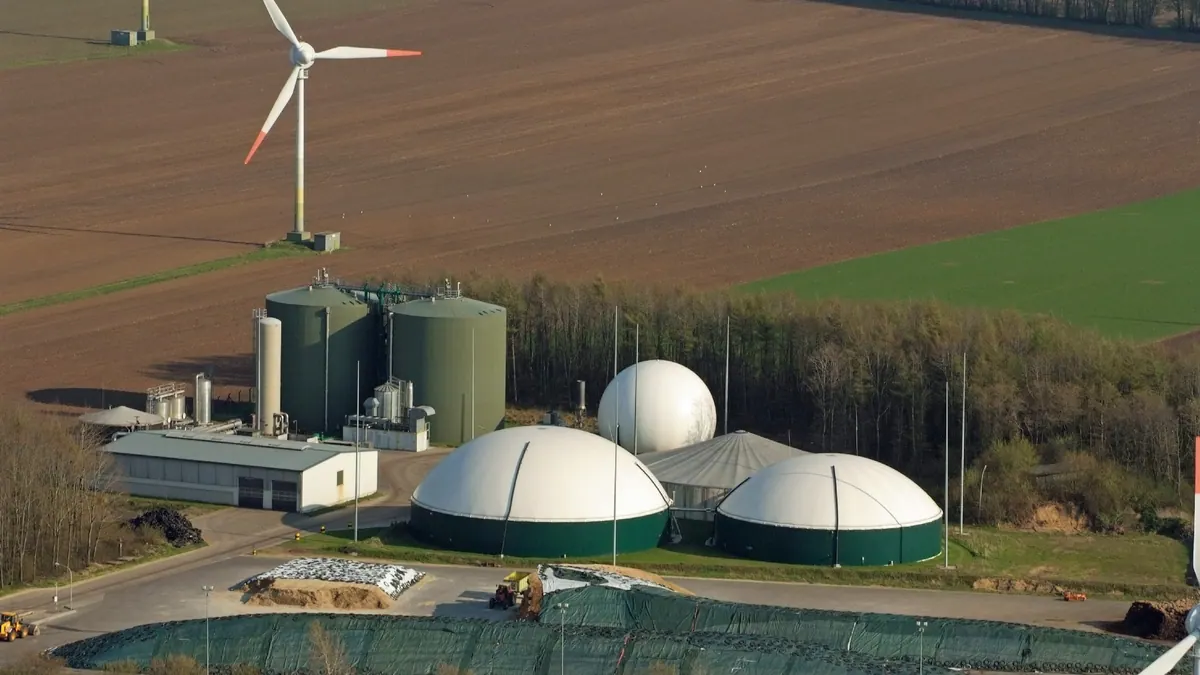

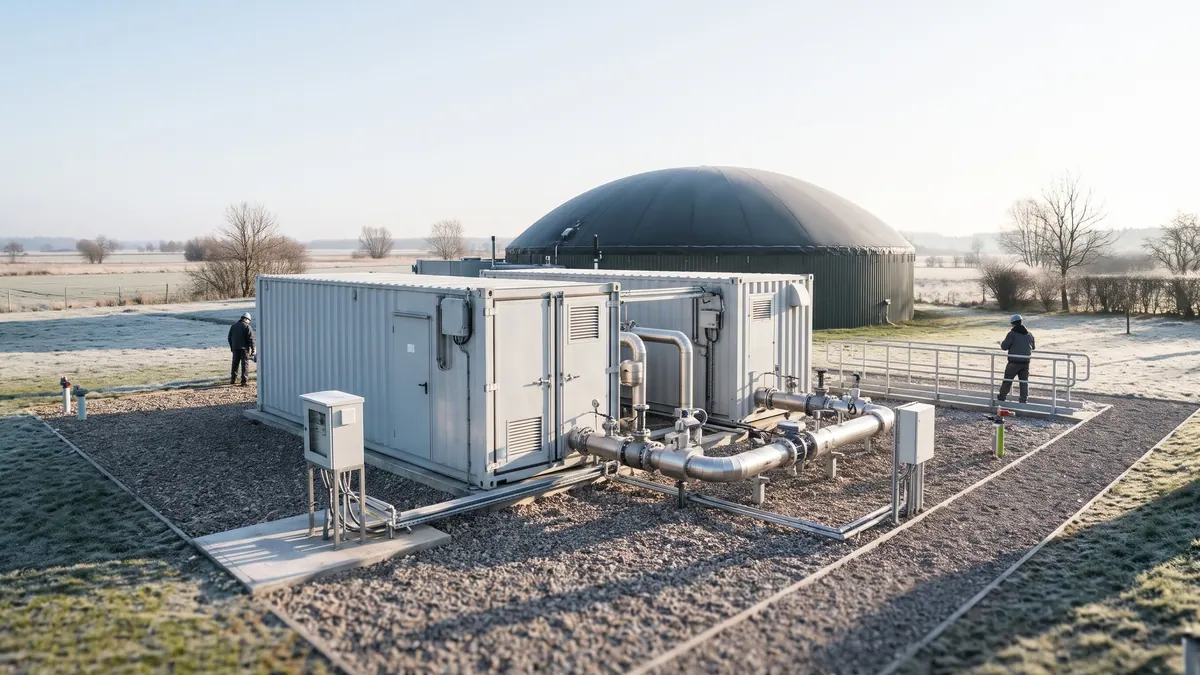
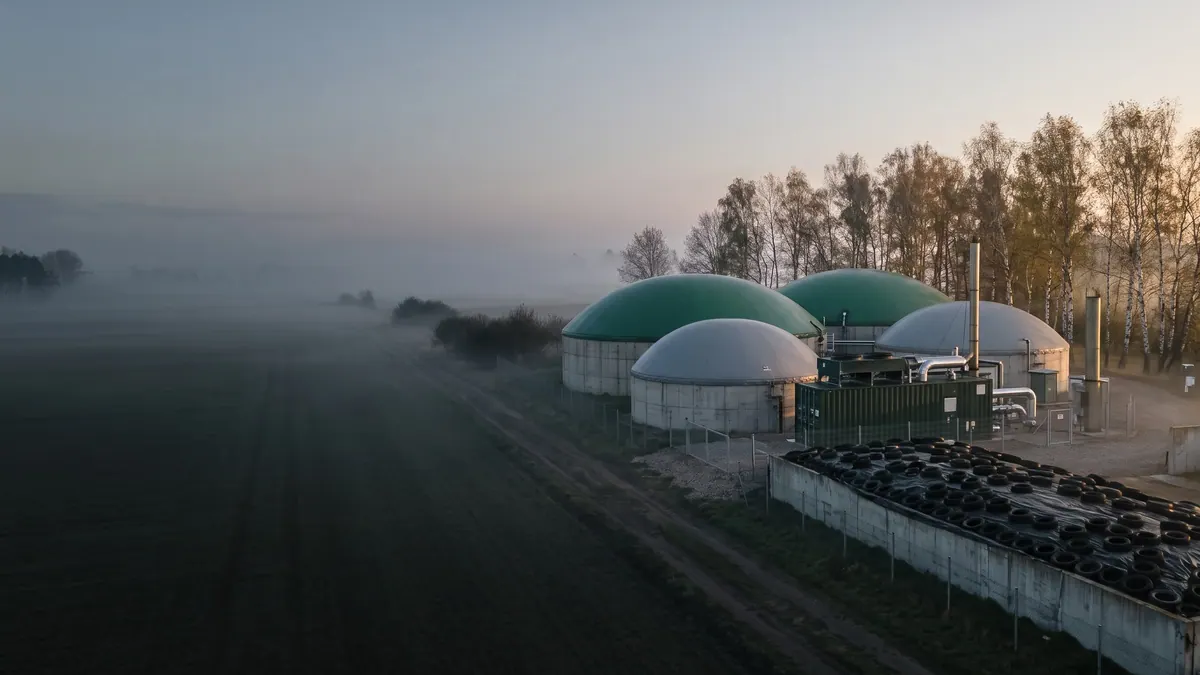
On 7 December 2022 the European Biogas Association (EBA) published a new edition of its statistical report. It shows that biomethane production in Europe in 2021 grew by 20% and reached 3.5 billion m³, and that biogas and biomethane together supply 18.4 billion m³ of renewable gas. In 2021 a record number of 184 new biomethane installations was commissioned. For the industry this is proof that the market is growing faster than in previous years, although it is far from the target of 35 billion m³ by 2030.
What is changing
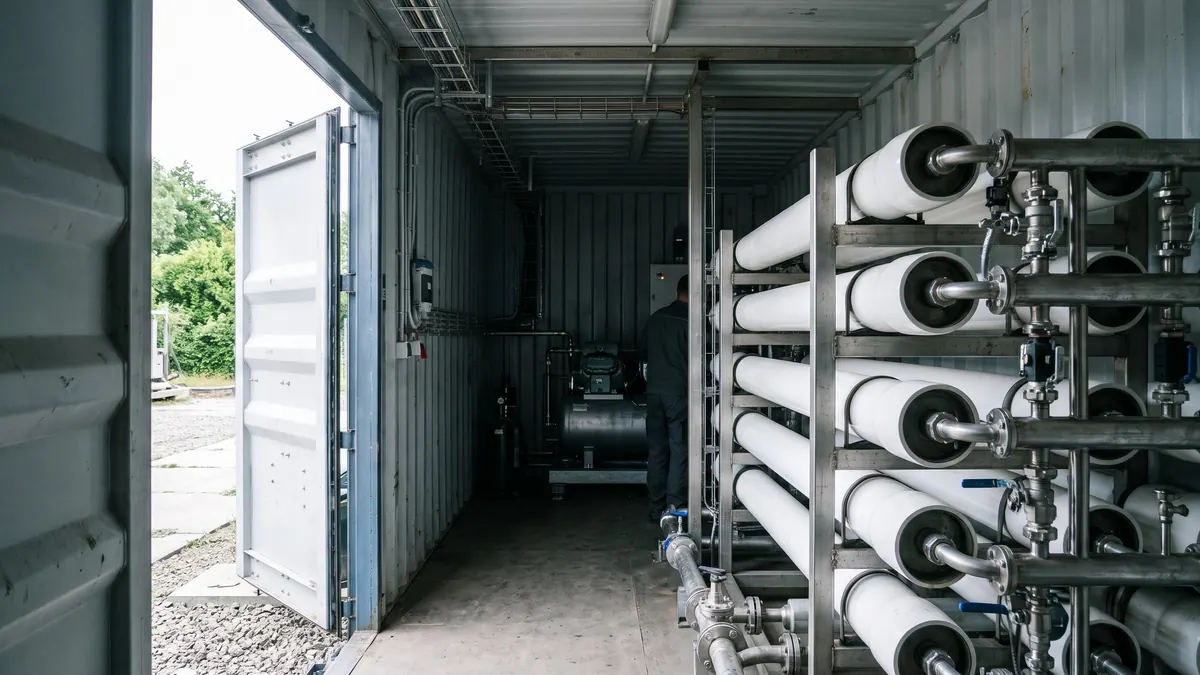
The EBA report is the main source of data on the biogas and biomethane market in Europe. It shows trends: a rapid increase in the number of biogas upgrading installations, a change in the structure of production (from cogeneration towards biomethane) and the growing importance of certain countries, including France, Denmark, Italy and Germany. The data for 2021 are the starting point for assessing progress in implementing the REPowerEU plan: since biomethane production in 2021 was 3.5 billion m³, reaching 35 billion m³ in 2030 requires an acceleration of several times.
The report also stresses the growing interest in biomethane as a way of reducing dependence on Russian gas. In the conditions of the energy crisis investment is growing, but procedures, costs and grid access remain constraints.
Significance for the industry in Poland
In the EBA statistics Poland is among the countries where biogas is produced but biomethane is almost absent. The report shows the scale of the distance to the leaders, but also the potential: countries with similar agricultural and waste resources have developed large markets thanks to stable support, simplified connection and clear certification rules.
For investors and local governments the report is a useful reference point when planning projects. It shows which upgrading technologies dominate, what the costs look like and which regulatory solutions have brought results. In the context of work on the Polish amendment to the Act on Renewable Energy Sources (ustawa o OZE), the report's conclusions may help to justify solutions.
How to read the numbers
The statistics cover the whole of Europe, not just the European Union, and concern both biogas used in cogeneration and biomethane. Biogas still makes up the larger part of production, but biomethane is growing faster. In comparisons it is worth remembering the definitional differences between countries and that data for a given year are published with a delay. EBA figures therefore serve to assess trends, not to give a precise annual balance.
What next
EBA announces further analyses of potential and barriers, and the European Commission has launched the Biomethane Industrial Partnership to improve the development of the market. The next edition of the report will show whether the energy crisis translated into further acceleration. For the Polish industry the most important thing will be whether in 2023 regulations are created that open the possibility of launching biomethane installations.
Sources
Related articles