Digestate and fertilisersEvent
CBAM in the Official Journal of the EU: from October 2023, emissions reporting for fertiliser imports
Regulation (EU) 2023/956 establishing CBAM was published on 16 May 2023 and enters into force on 17 May. From 1 October 2023 importers of, among other things, fertilisers will begin reporting the emissions embedded in goods.
Other language versions: polski.

Regulation (EU) 2023/956 establishing the EU mechanism for adjusting CO₂ emission prices at the border, the Carbon Border Adjustment Mechanism (CBAM), was published in the Official Journal of the EU on 16 May 2023 and enters into force the following day (17 May). The first obligations will appear on 1 October 2023: importers of cement, electricity, fertilisers, iron and steel, aluminium and hydrogen will begin reporting quarterly the emissions embedded in imported goods. There will be no charges yet: the transitional period is purely a reporting one. For agriculture and digestate producers, the fertiliser thread is the key one.
What is changing
CBAM complements the EU Emissions Trading System (ETS). It is meant to equalise the emission costs borne by producers in the EU and importers from outside the Union, in order to limit so-called carbon leakage. The timetable is as follows:
| Period | Obligations |
|---|---|
| 1/10/2023 – 31/12/2025 | transitional period: quarterly importer reports on the quantity of goods and embedded emissions |
| from 1/1/2026 | definitive period: obligation to buy and surrender CBAM certificates (the first surrender for imports from 2026 – in 2027) |
The price of a certificate is to correspond to the price of allowances in the ETS, and free allowances for EU industry will be gradually abolished. An importer can deduct the price of CO₂ emissions paid in the country of origin. The fertilisers covered by the mechanism include, among others, ammonia, nitric acid, urea and nitrogen and mixed fertilisers, whose production is energy-intensive and based on natural gas.
Significance for the industry in Poland
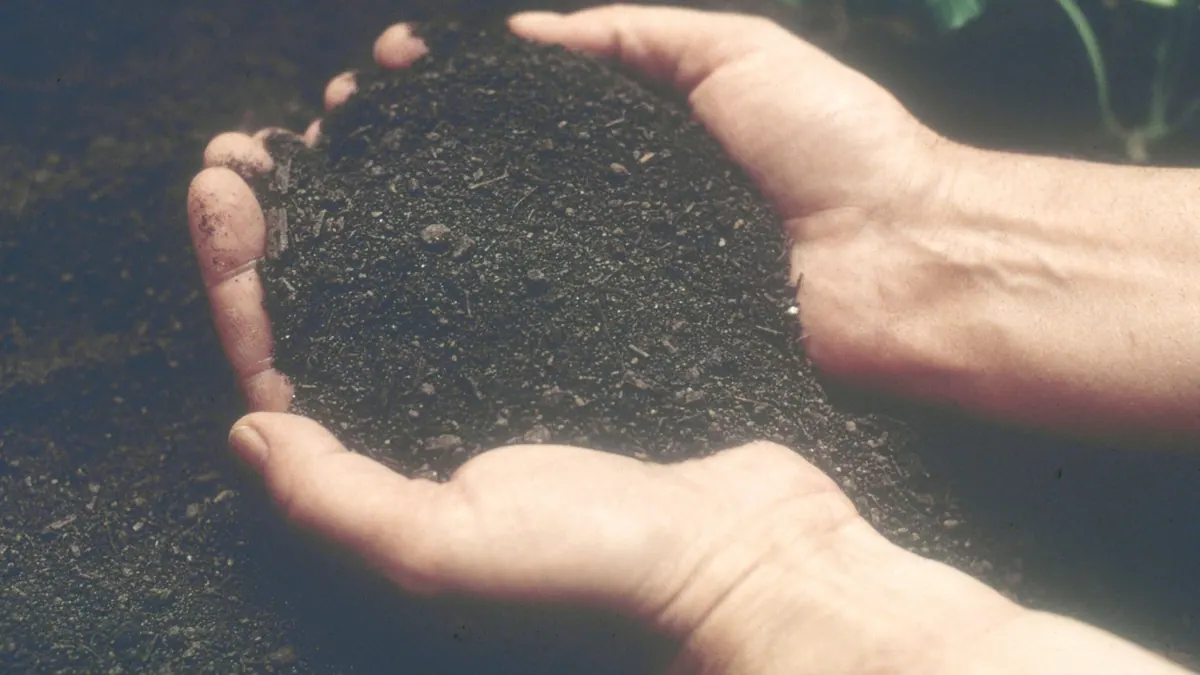
Polish agriculture uses large quantities of nitrogen fertilisers, some of which are imported. CBAM will gradually raise the cost of imported fertilisers with a high carbon footprint. At the same time, European producers covered by the ETS will receive fewer free allowances. As a result, prices of mineral fertilisers may be higher than in the past, which increases the attractiveness of organic fertilisers, including digestate from biogas plants.
The effect should not be overestimated, however. Digestate contains nitrogen in forms whose release rate differs from that of mineral fertilisers, it requires transport and timely application, and its use is subject to, among other things, the rules implementing the Nitrates Directive. It will therefore replace only part of the fertilisers, especially on farms located close to the installation.
What to pay attention to
Digestate producers should prepare documentation of its composition and fertilising properties, preferably based on laboratory tests, so that they can present it as a real alternative. Farmers and agricultural advisers will in turn watch how CBAM affects fertiliser prices in the coming seasons, and plan fertilisation with this factor in mind.
What next
By 1 October 2023 the Commission will publish detailed implementing rules on reporting. Importers should prepare systems for collecting data from suppliers outside the EU. For Polish agriculture it will be important to monitor fertiliser prices and programmes supporting organic and precision fertilisation, which may offset the rise in costs.
Sources
Related articles