Law and regulationEvent
Australia: updated National Hydrogen Strategy 2024 – 15 million tonnes of green hydrogen by 2050
In September 2024 the Australian government updated the National Hydrogen Strategy: the target is 15 million tonnes of green hydrogen per year by 2050 (with potential for 30 million tonnes) and five-year milestones.
Other language versions: polski.
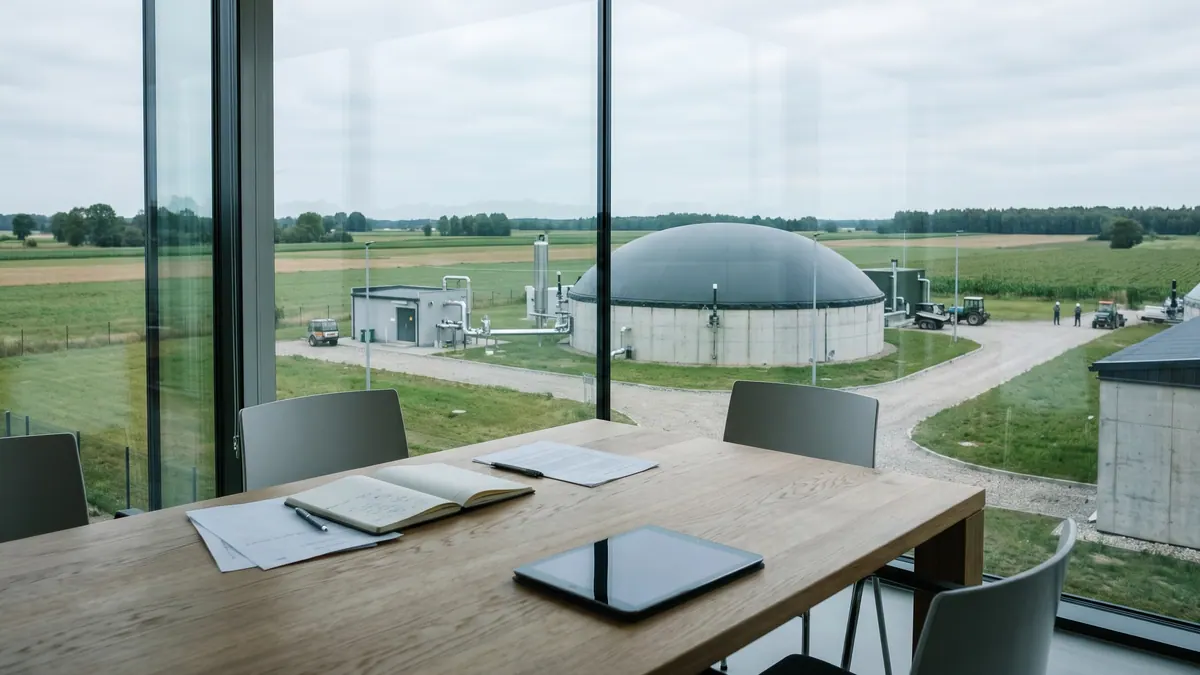
Australia published an updated National Hydrogen Strategy on 13 September 2024, whose main goal is the production of 15 million tonnes of green hydrogen per year by 2050, with the possibility of reaching as much as 30 million tonnes in an extended scenario. The document replaces the first national strategy from 2019 and is closely linked to the funding programmes described below.
What the update changed
The 2019 strategy concentrated on building the market and assessing technology options, including hydrogen from fossil fuels with CO₂ capture. The 2024 version is much more focused on renewable hydrogen, tied to the growth of solar photovoltaics and wind power. It introduces five-year production milestones to 2050 and separates the targets for the domestic and export markets.
Export targets
The baseline export target for 2030 is 0.2 million tonnes of renewable hydrogen per year, with a “stretch” scenario of around 1.2 million tonnes. The document assumes that exports will not be the only direction: domestic industry (e.g. ammonia, refining, metals), which is to use hydrogen as a feedstock, is also an important market.
Support instruments
According to Clayton Utz, the strategy is tied to instruments announced in the federal budget: the Hydrogen Headstart programme (AUD 4 billion for large renewable hydrogen production projects), the Hydrogen Production Tax Incentive (AUD 2 per kg, from 1 July 2027 to 30 June 2040) and the Guarantee of Origin certification scheme, whose legislation was introduced to parliament on 12 September 2024 and whose launch was announced for 2025. The strategy will be reported on annually (State of Hydrogen) and reviewed every five years.
The place of biogas and biohydrogen
The document puts the emphasis on electrolysis powered by renewable energy sources (RES). Hydrogen from biogas or biomass plays a minor role, although pilot projects do appear in practice (e.g. biogas pyrolysis). From the biogas sector's perspective, what matters is that programmes such as Headstart and the hydrogen tax incentive do not cover biomethane – which part of the industry regards as a gap.
What this means for Poland and Europe
The strategy shows that countries with large renewable resources (Australia, Chile) plan to compete in the hydrogen export market. For the EU this means a potential supplier, although transport and certification costs remain a barrier. For the Polish biogas sector the conclusion is cautious: green hydrogen will compete with biomethane for support policy rather than complement it.
Sources
Related articles