Waste-to-energyEvent
Singapore: Tuas Nexus combines waste and wastewater in one complex, but is delayed
Tuas Nexus, Singapore's integrated waste and used water management facility, is to process food waste and sludge in co-digestion. The first stage, planned for 2025, is to be commissioned gradually only from mid-2026.
Other language versions: polski.
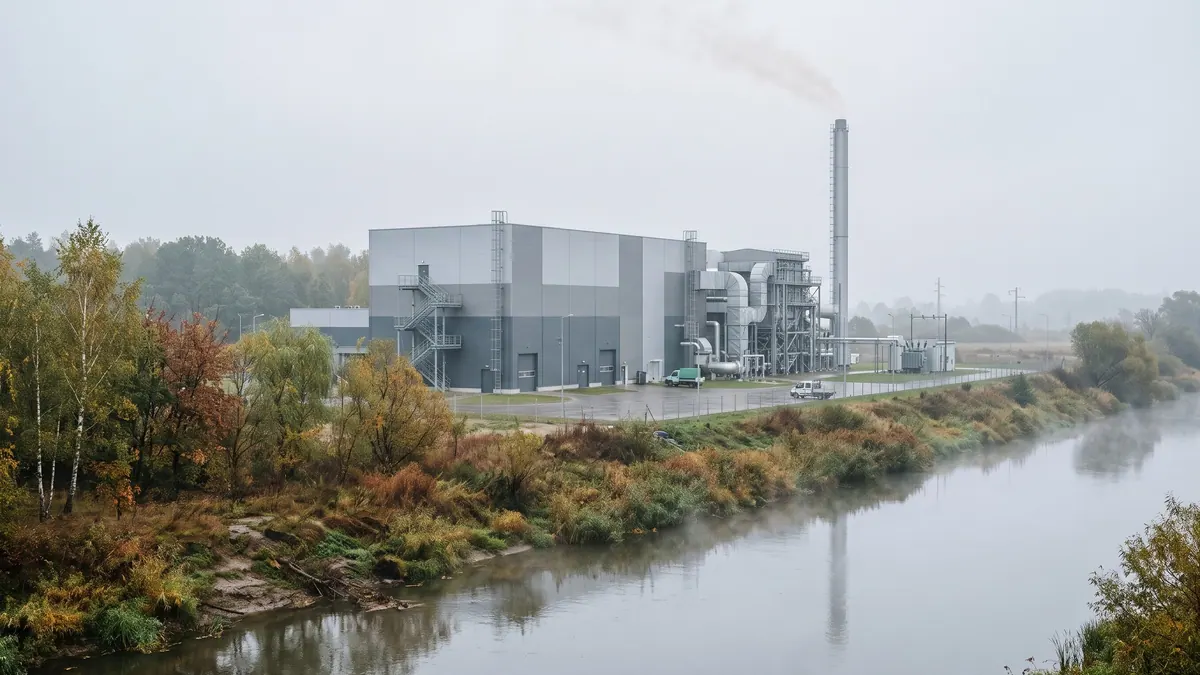
Tuas Nexus, a multibillion-dollar waste and used water management complex in Singapore, is to be the world's first facility to process solid waste and wastewater in one place. According to an Eco-Business report of 20 May 2024, its first stage, originally planned for 2025, was to be commissioned gradually only from mid-2026 according to the National Environment Agency (NEA), and an industry expert predicted 2028 or later.
Composition of the first stage
The Integrated Waste Management Facility (IWMF) comprises in its first phase: a municipal waste incineration plant with a capacity of 2,900 t per day, a materials recovery facility with a capacity of 250 t per day, a sewage sludge incineration plant with a capacity of 800 t per day, and a food waste treatment plant with a capacity of 400 t per day. Once fully completed, the facility is to incinerate about 5,800 t of waste per day. According to NEA the complex is to process incinerable waste, recyclables from households, food waste segregated at source, and dewatered sludge from the Tuas Water Reclamation Plant, which it is located next to.
Co-digestion of food and sludge
According to Eco-Business the co-digestion system is to use biogas from food waste and sewage sludge to power the complex. The designed emission saving is over 200,000 t CO₂ per year. Technical details of the reactors were not given in the description.
The water component
The water component — a water reclamation plant with a capacity of up to 800,000 m³ per day — was to be completed by 2026 and to generate about 80% of the energy needed to treat used water. The cost of the second phase of the water component is estimated at about 3 billion USD, and the agency PUB pointed to higher construction and operating costs.
Causes of the delay
NEA attributed the delay to the COVID-19 pandemic and construction delays; people familiar with the project also pointed to staffing problems. The contractors include Keppel Seghers, China Harbour Construction, ST Engineering Marine and UES Holdings.
Consequences
An expert from the firm Envcares, Gin Keat Ong, assessed that completion in 2028 or later will increase pressure on the ageing incinerators that the new facility was to replace. Eco-Business recalls that ash from all four of Singapore's incinerators goes to a landfill on Pulau Semakau island, which is forecast to fill up in about a decade. The Resource Sustainability Act obliges companies generating large quantities of food waste to segregate it for processing; businesses that had planned to adapt to the facility's start-up will have to look for alternative processing methods until it opens.
What this means for Poland and Europe
The Singapore example shows that large, integrated projects carry a risk of delays and costs, so it is worth carrying them out in stages and with alternative processing capacity secured, especially when waste segregation rules run ahead of the construction of infrastructure.
Sources
Related articles