Waste-to-energyExplainer
"Dirty renewables": what the colloquial term means and which energy sources it covers
"Dirty renewables" is a journalistic label, not a legal concept. We explain what it is used for: biomass burning, co-firing with coal and energy from waste, and how it differs from fermentation.
Other language versions: polski.
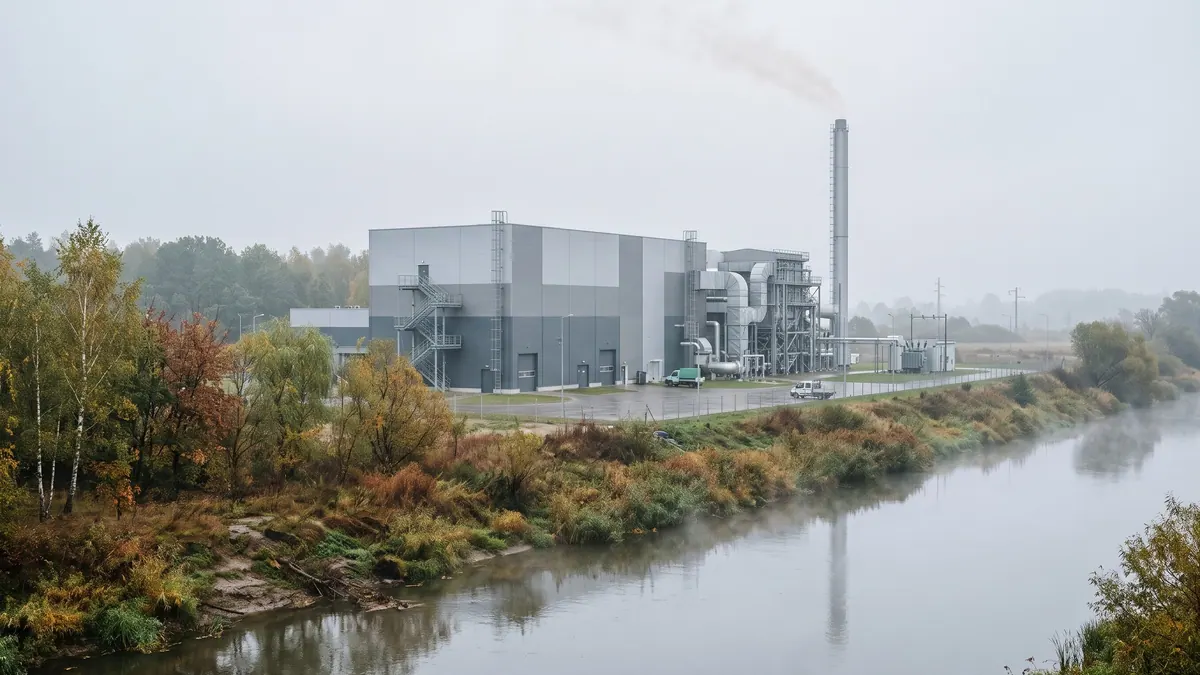
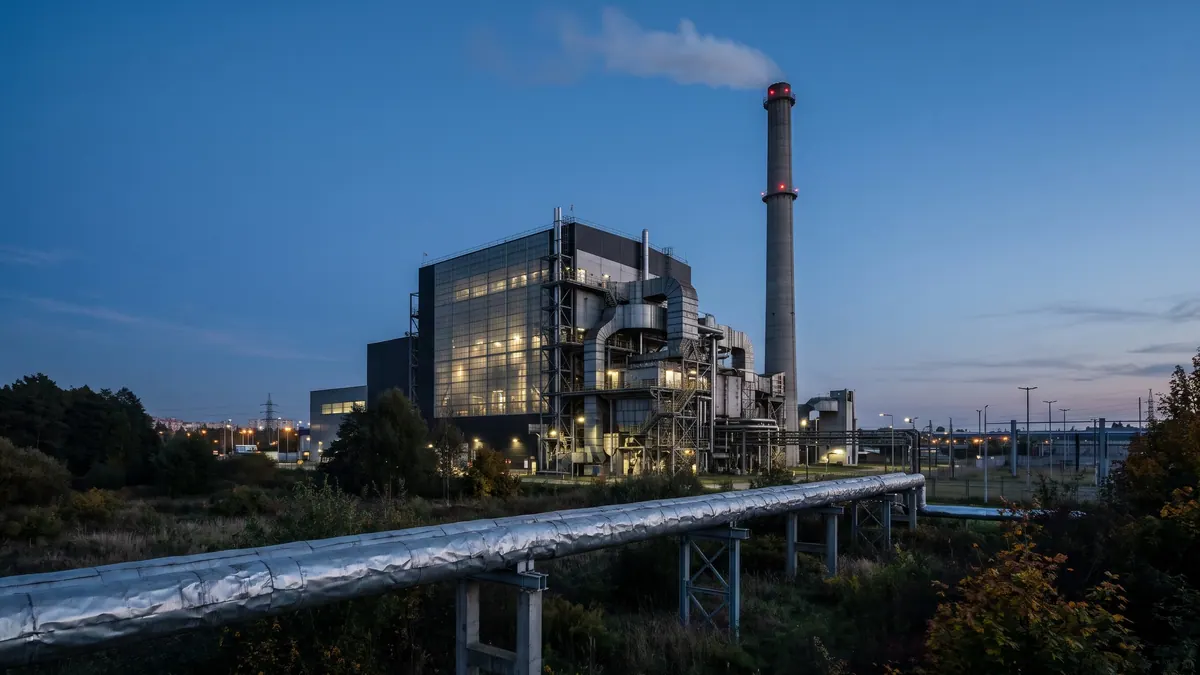
"Dirty renewables" is a colloquial, critical term used for those energy sources classed as renewable that raise environmental doubts: above all biomass burning (especially wood), co-firing of biomass with coal, and energy from the thermal treatment of waste. It is neither a legal nor a technical category, and the term itself does not point to a single technology or a common level of emissions. It is best understood as a signal of a dispute over what should count as "renewable", not as a description of a specific process.
Why the dispute concerns biomass in particular
The European Commission describes biomass as organic matter originating from forestry and agriculture (for example trees and plants), from waste and residues of biological origin, and also the biodegradable fraction of waste. It can be used for heating, generating electricity and producing transport fuels. According to the same page, bioenergy was in 2021 the main source of renewable energy in the EU and accounted for about 59% of renewable energy consumption, and the largest producer of solid biomass was Germany. Since the largest part of "green" energy comes from biomass, the quality of this statistic has great political significance.
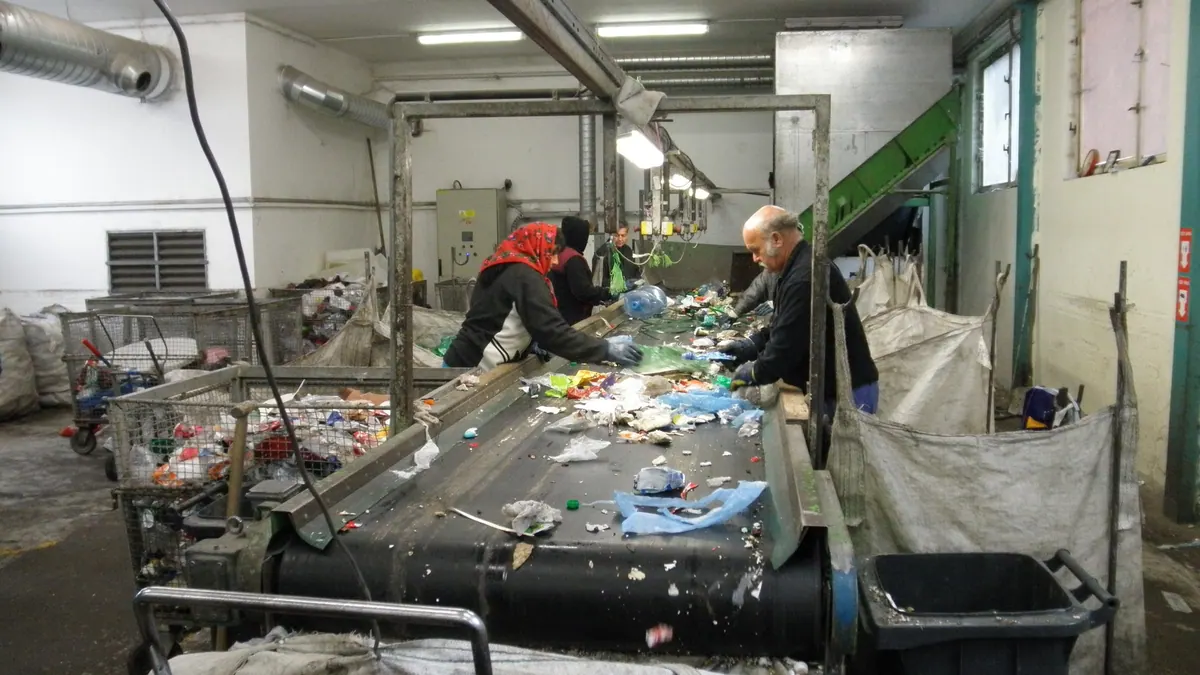
The broad definition has a consequence: the municipal waste stream contains a biological fraction (which falls within the concept of biomass) and a non-biological one (for example plastics). Therefore, when assessing an incinerator the slogan "energy from waste" is not enough; one must separate what part of the energy comes from the biodegradable fraction. We write about this in more detail in the article Energy from waste: fermentation, incineration, pyrolysis and landfill gas, and about the waste hierarchy in the article The waste hierarchy and anaerobic digestion.
A Polish example: co-firing
In Poland the symbol of the dispute became the co-firing of biomass with coal. The Gramwzielone.pl website described in 2012 that the obligation to purchase energy from renewable sources was introduced by regulation in 2003, and that burning biomass with coal on an industrial scale began around 2005, because it proved the fastest and cheapest way of meeting targets. According to data from the then Ministry of Economy, in 2010 nearly half of renewable energy came from biomass, and almost 90% of biomass energy from its co-firing with conventional fuels. Critics claimed that co-firing blocks the development of other renewable sources, because the statistical target was achieved without any growth in new capacity. In March 2012 Greenpeace activists hung a banner reading "Coal + wood is not green energy" on the chimney of the Turów power plant. The same text cites findings of the National Labour Inspectorate from 2010–2011, according to which in most installations co-firing was started without adequate protection against explosive mixtures and fires, and a fire at the Dolna Odra power plant in January 2010 in which one person died. The draft Renewable Energy Sources Act of July 2012 provided for a gradual reduction of support for co-firing; we describe this thread as the state of the discussion in 2012, not as rules in force today.
How the EU tightened the criteria
The Commission recalls that sustainability and emission reduction criteria for agricultural biomass were introduced in 2009, and for forest biomass in 2018. The revised Renewable Energy Directive (EU 2023/2413, in force since 20 November 2023) strengthened them: it extended the "no-go areas" to forest biomass (including primary forests, areas of high biodiversity and peatlands), introduced detailed requirements for wood harvesting, extended the emission reduction criteria to existing installations, and applied them to heating and electricity installations with a capacity of at least 7.5 MW for solid biomass fuels. Member States are also to design support schemes in line with the cascading principle of using woody biomass, and new or renewed subsidies for power plants generating only electricity from forest biomass are in principle prohibited (Article 3(3d) of Directive 2018/2001 as amended by RED III; exceptions include regions covered by a just transition plan, installations with CO₂ capture and outermost regions). We discuss the consequences of RED III for biogas and biomethane in the article RED III: what it changes for biogas and biomethane.
Where fermentation fits in this picture
Methane fermentation is a process in a closed reactor, in which biogas and digestate are produced from waste and residues, so it differs technologically from combustion. This does not mean that the assessment is automatically positive: what counts is the feedstock (waste or a dedicated crop), fugitive methane emissions, the management of digestate and the greenhouse gas balance. The "dirty renewables" label blurs these differences, which is why in a reliable analysis it is better to:
- name the technology (combustion, co-firing, gasification, fermentation),
- identify what part of the fuel is of biological origin,
- give the specific emissions and balance (and not a general assessment),
- check compliance with waste regulations and sustainability criteria.
The label does not replace a balance or an assessment of compliance with regulations, and its use is best treated as an invitation to ask which specific process is meant.
Sources
Questions and answers
Is “dirty RES” a legal concept?
No. The law operates with the concepts of biomass, biogas, waste and sustainability criteria. The term “dirty RES” is a mental shortcut from the public debate that does not define a single technology or common emissions.
Related articles