BiogasEvent
Słupsk Bioenergy Island: sludge biogas, energy storage and a heat pump at a wastewater treatment plant
Construction of the Słupsk Bioenergy Island (Słupska Wyspa Bioenergetyczna) is under way at the wastewater treatment plant in Słupsk: sludge hydrolysis, a 2,700 m³ biogas tank, 1 MW cogeneration, 1 MW/2.4 MWh energy storage and a heat pump. Cost PLN 62.1 million, of which about PLN 37.25 million from the National Recovery and Resilience Plan (KPO).
Other language versions: polski.
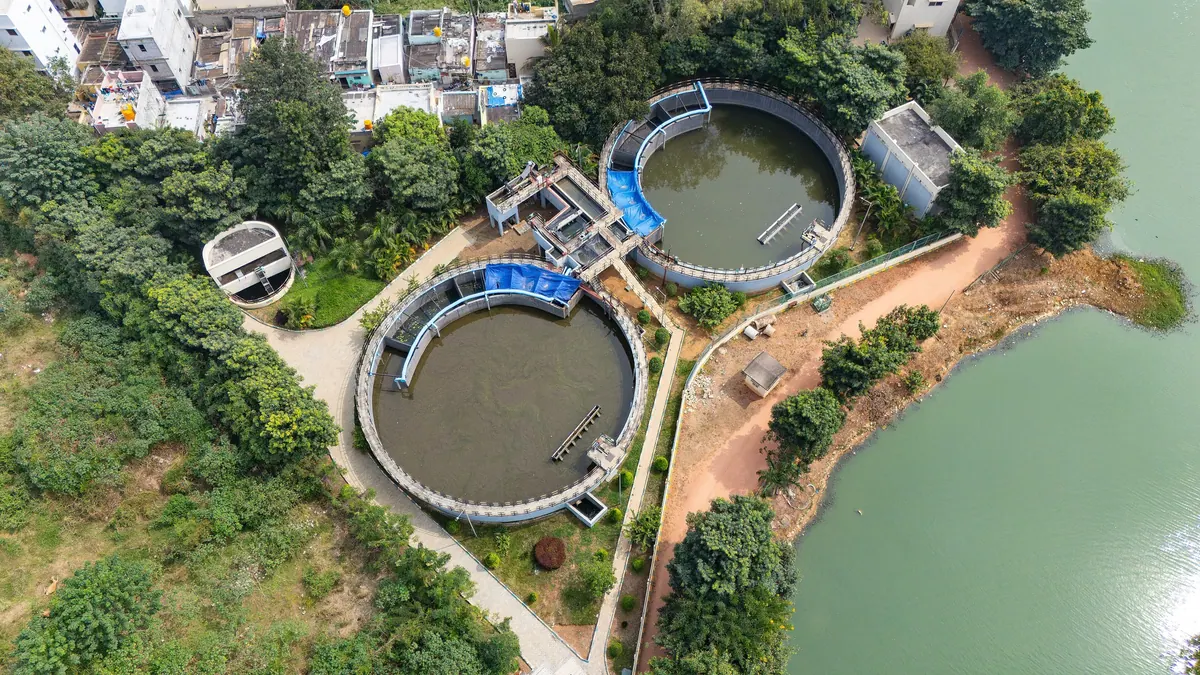

Construction of the Słupsk Bioenergy Island (Słupska Wyspa Bioenergetyczna) is under way at the wastewater treatment plant in Słupsk. It is a local energy system based on biogas from sewage sludge, energy storage and waste heat. The project is being delivered by Wodociągi Słupsk as the leader of the Słupsk Bioenergy Cluster (Słupski Klaster Bioenergetyczny). According to the situation described on 29 October 2026, the investment is in a key construction phase; no completion date has been given.
What is being built
The total cost is PLN 62.1 million, of which about PLN 37.25 million comes from the National Recovery and Resilience Plan (KPO); the funding agreement with the Ministry of Climate and Environment was signed on 30 October 2025. Construction began in November 2025. The project comprises:
- a 1,000 m³ hydrolysis tank for processing digested sludge, operating in three modes: storage, degassing and hydrolysis,
- a new 2,700 m³ biogas tank, together with installations for desulphurisation, siloxane filtration and heating/cooling of the fuel,
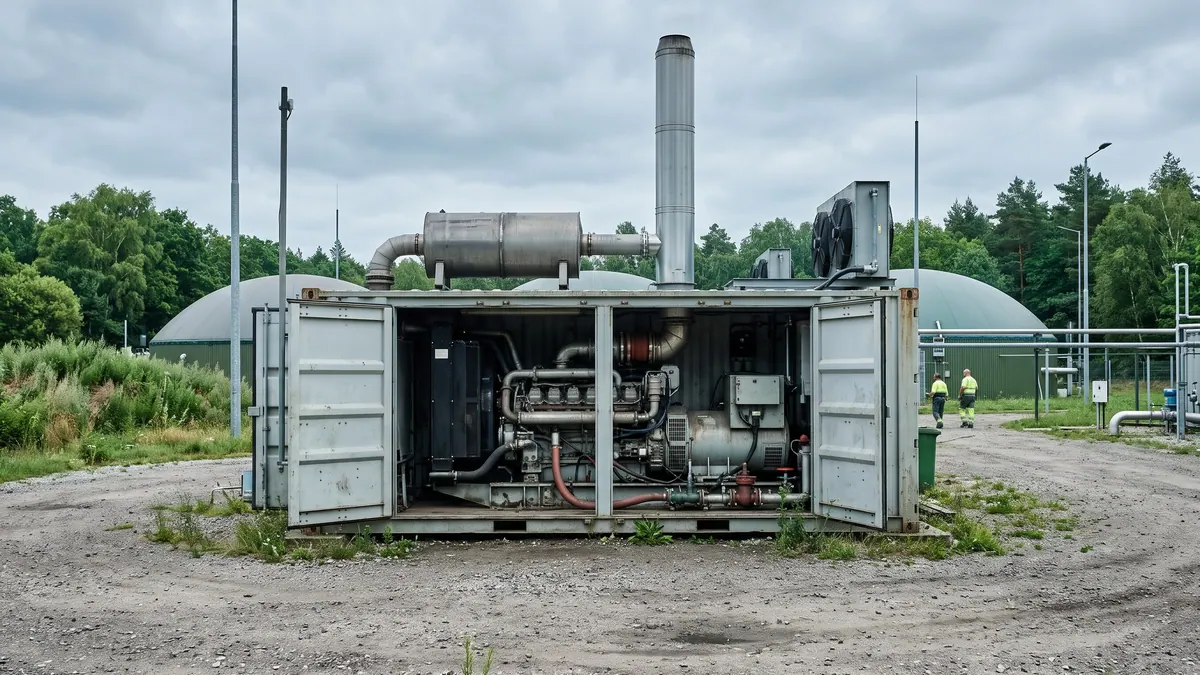
- a cogeneration unit with an electrical capacity of 1 MW (Jenbacher biogas engine), recovering heat from the engine and the exhaust gases, with an efficiency of up to 90%, which is enough for about 500–700 typical households,
- 1 MW / 2.4 MWh electricity storage and heat storage,
- a heat pump of at least 0.5 MW using recovered heat from the wastewater, and an electrode boiler for surplus energy,
- about 2.7 km of local network extension and an IT/OT system for monitoring, balancing and managing local energy resources.
The source does not state the capacity of any photovoltaics, the annual production of biogas and energy, or any components related to the thermal treatment of waste or composting. The biogas plant processes sludge from the treatment plant, not external waste.
Why it matters
Wastewater treatment plants are one of the most obvious places for biogas: sludge is produced continuously, and the sites have infrastructure, heat consumers and their own energy demand. In Poland there are about 100 biogas plants at treatment plants, but many of them have obsolete equipment. Sludge hydrolysis increases the biogas yield, while the heat pump and energy storage turn the treatment plant into a flexible element of the local system. The "island" approach increases energy independence and resilience to supply interruptions.
Significance for the industry in Poland
For water utilities and municipal companies the project is a model of integration: biogas, storage, a heat pump and a local network under joint management. Funding from the KPO shows that EU funds support not only agricultural biogas plants but also municipal ones. For the technology sector (cogeneration, storage, automation) the market for hybrid systems is growing. Some treatment plants may in future move from cogeneration to upgrading to biomethane, depending on access to the gas grid and on support.
What to watch
Production data are needed to assess the effect, and the source does not provide them. It is worth checking how the project copes with the KPO requirements on settlement deadlines for funds, which for many investments are firm.
Sources
Related articles