BiomethaneEvent
An agricultural biomethane plant injecting biomethane into the grid has started up in Komorów
On 25 September 2026 the Agro-Biogas agricultural biomethane plant was started in Komorów (Ostrów Mazowiecka municipality): about 20 GWh of biomethane per year from manure and slurry, injected into the PSG grid; sales are handled by Axpo under a 20-year agreement.
Other language versions: polski.
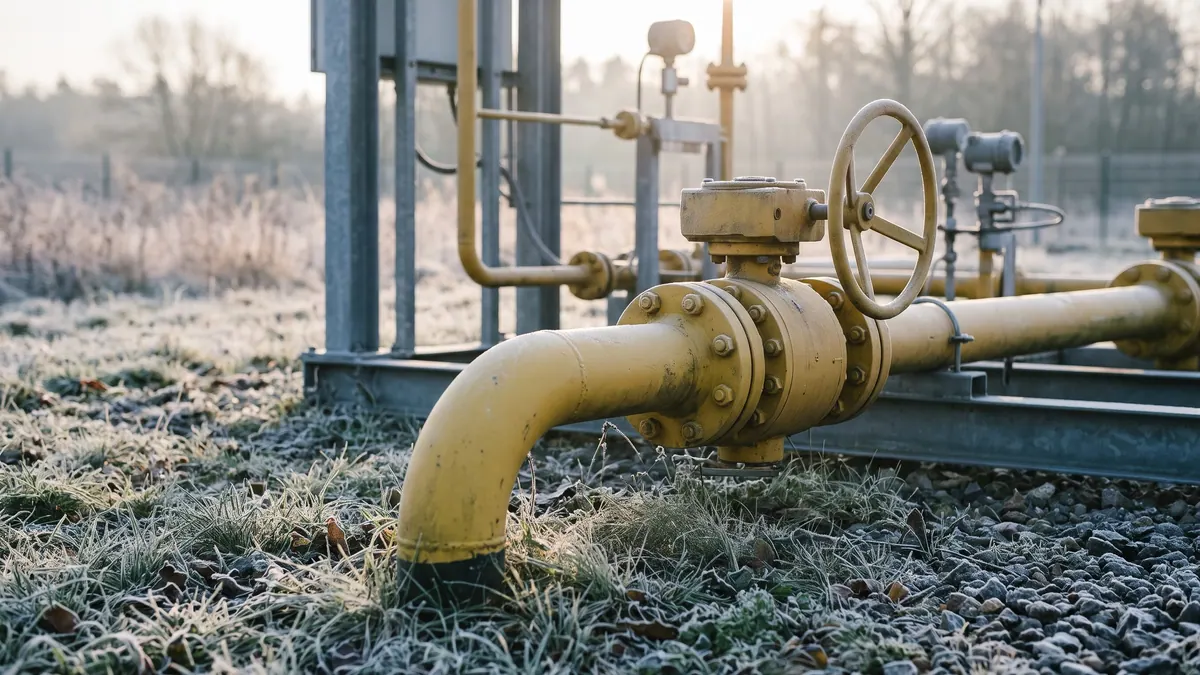
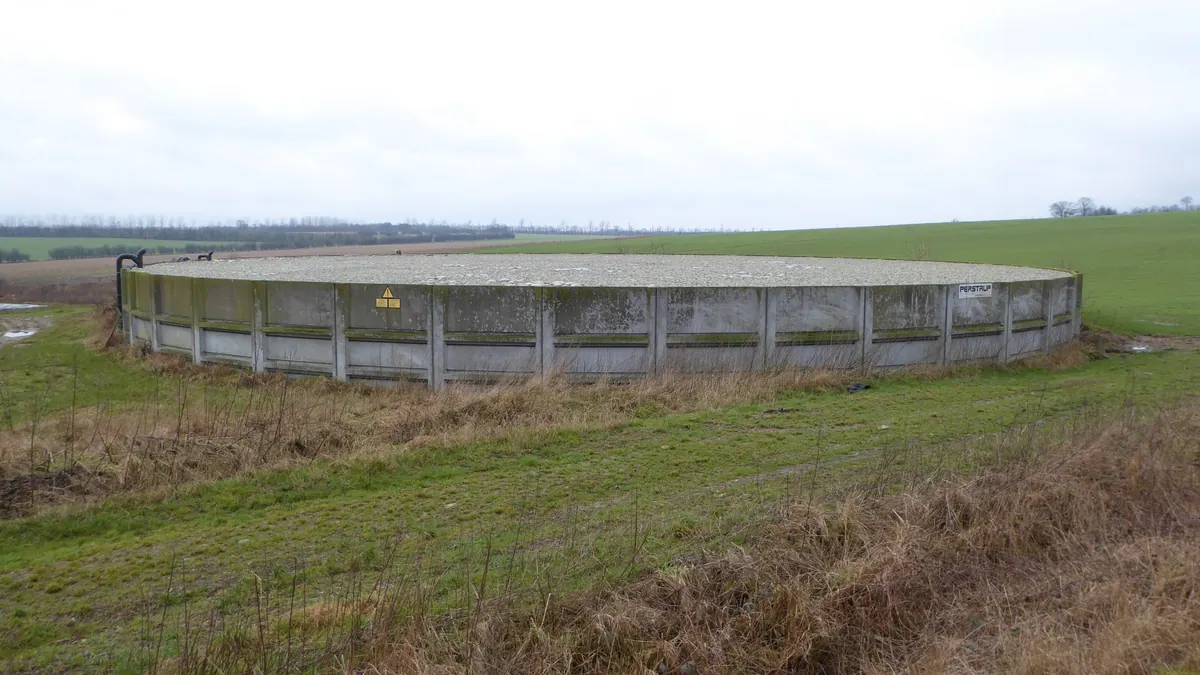
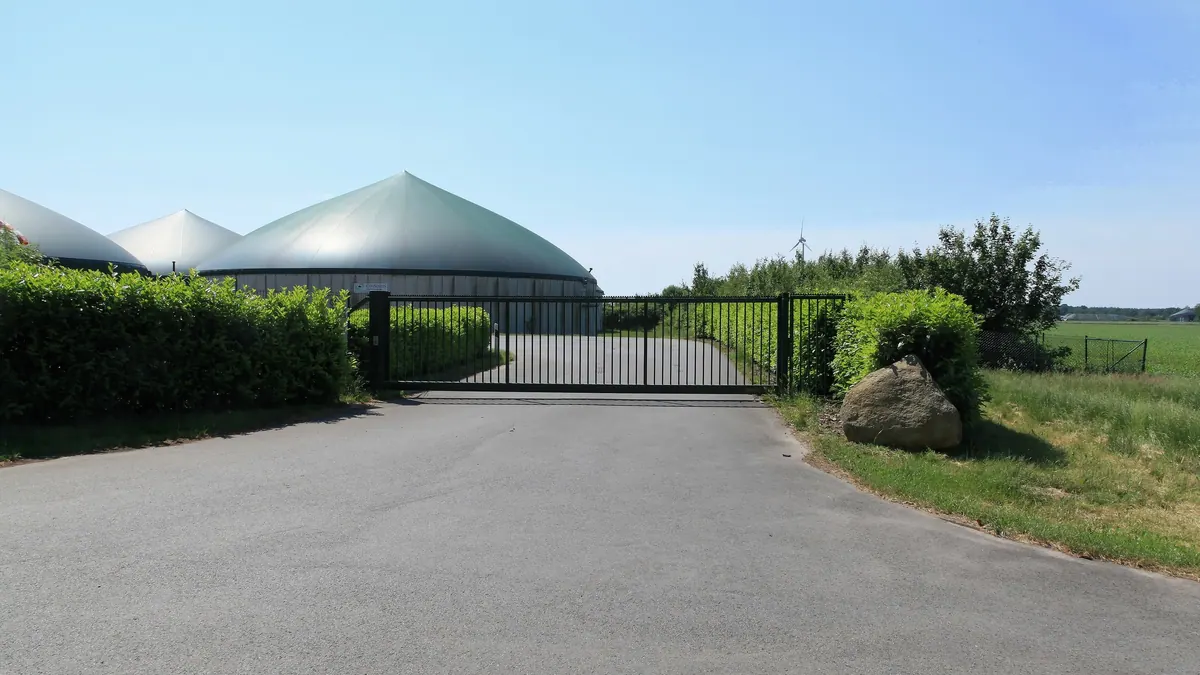
Near Ostrów Mazowiecka, in Komorów, the Agro-Biogas biomethane plant has operated since 25 September 2026, owned by local dairy cattle breeders. On that day the installation injected its first biomethane into the national gas grid. The opening ceremony was held in the presence of the Minister of Energy Miłosz Motyka, who regarded the most important feature of the project as the fact that everything in it is balanced locally. The reports contain a discrepancy as to which grid the facility is connected to: some texts speak of a high-pressure grid, while an entry by the Ministry of Energy speaks of the distribution grid of Polska Spółka Gazownictwa.
Where the gas comes from and what happens to the rest of the process
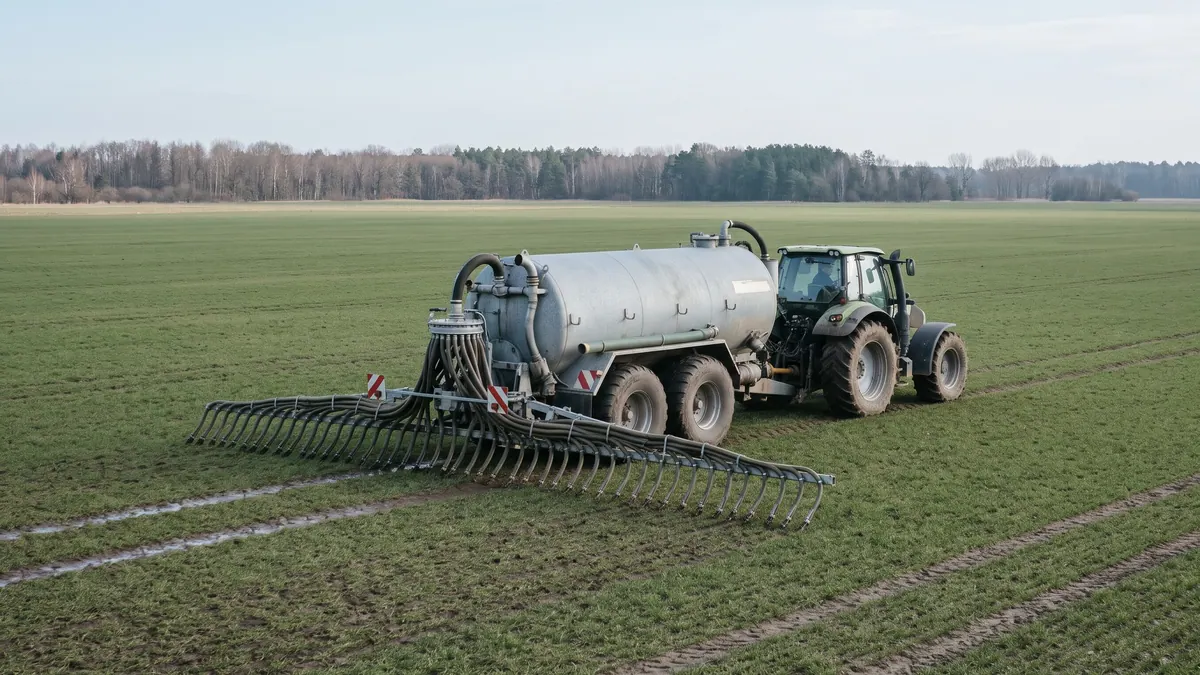
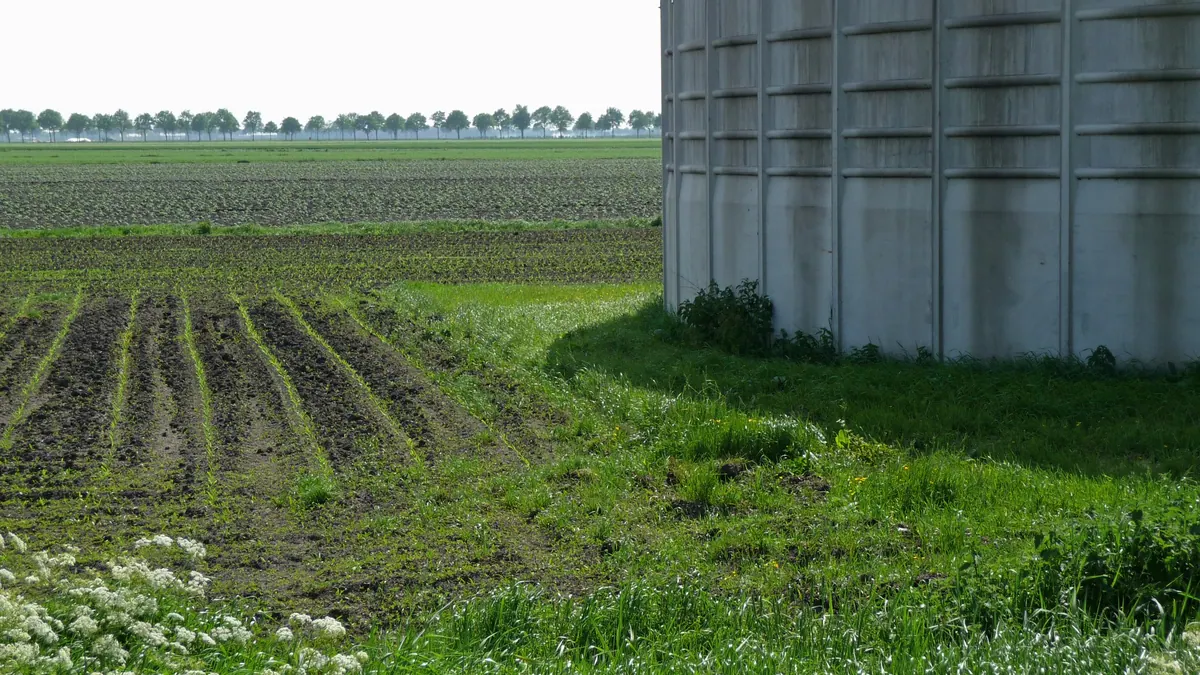
Only material from farms goes into digestion: primarily manure and slurry. Annual biomethane production is to be about 20 GWh, and the connection allows injection of up to 250 m³ of gas per hour. The heat generated along the way is used by the installation itself, and the digestate is hauled back to the fields of the farmers who supply the feedstock. The company's president Marek Dzwonkowski put it in the words that the loop is being "closed".
The location of the construction was decided by its position next to a transmission pipeline and a high-pressure gas station. Thanks to this, biomethane can reach customers all year round.
Who is behind it
The company Agro-Biogas belongs to local farmers and holds the majority of shares in the venture. The minority partner, the Swiss energy group Axpo, buys the biomethane produced and sells it on. The contract was concluded for 20 years; it covers both the gas itself and guarantees of origin, as well as agreed volumes, the method of determining the price and settlement rules.
Why it matters
This is the second Polish installation injecting biomethane into the grid and the first of an agricultural nature. Strzelin operates at an industrial plant; Komorów is based on slurry from dairy cows, that is a model that can be repeated in Poland in many regions, especially in Podlasie and Masovia. Ownership by local farmers and a commercial partner experienced in gas trading is a configuration that reduces market risk for the producer.
Significance for the industry in Poland
For the more than a hundred projects in preparation, Komorów is proof that an agricultural biomethane plant can operate under Polish regulatory and connection conditions. It also shows the route to support: installations of up to 1 MW benefit from the FIP premium, and larger ones will be able to take part in auctions once the new act enters into force. In September 2024 a family project in the same municipality was described that envisaged a similar model (slurry from more than 1,500 cows, membrane upgrading); the 2026 materials do not directly settle whether it is the same investment.
What to watch
The reports contain terminological discrepancies (the type of grid), which are worth checking in the operator's documents. Data on actual production in the first year will be important, as will how the installation behaves in periods of low gas demand in summer.
Sources
Related articles