BiomethaneEvent
Polish biomethane: potential of up to 16 billion m³ and barriers. POB data from 2024
According to the Polish Biomethane Organisation, the theoretical biomethane potential in Poland is up to 16 billion m³ a year, realistically about 9 billion m³. In 2023 there were 388 biogas plants and not a single biomethane plant.
Other language versions: polski.
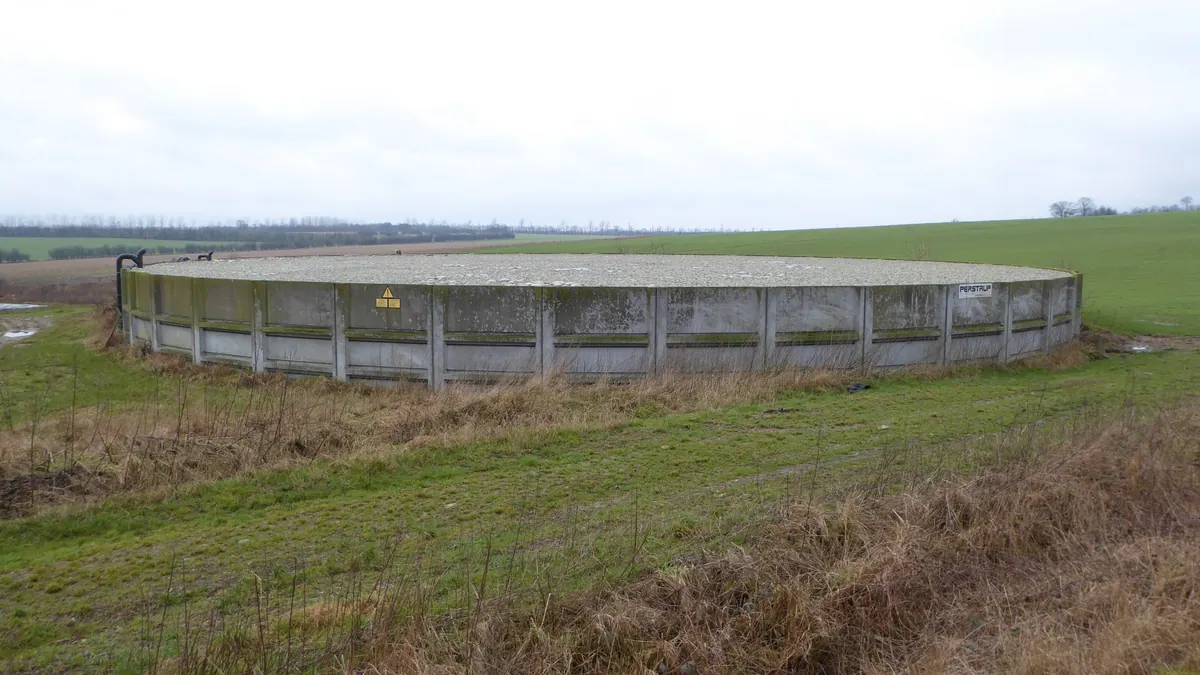

The Polish Biomethane Organisation (POB) assessed in August and September 2024 that the theoretical potential for biomethane production in the country is up to 16 billion m³ a year, of which about 9 billion m³ is realistically available after deducting feedstocks that are already managed. At the same time there were 388 biogas plants operating in Poland (as of the end of 2023) and not a single biomethane plant. The gap between potential and the actual state of affairs is the main topic of the market.
Potential by feedstock
POB data (base year 2022, assuming an average methane content in biogas of about 60%) point to the largest pools in: straw (nearly 8 billion m³), manure (about 4 billion m³), slurry (over 2 billion m³), agri-food processing residues (about 1.7 billion m³), sewage sludge (about 228 million m³) and biowaste (over 311 million m³). At present only a few per cent of manure and slurry is used in biogas plants, and about 10% of sewage sludge. Straw is a difficult feedstock because of its high dry matter content and the need for long digestion. Poland consumes about 16–17 billion m³ of natural gas a year, and according to a POB expert biomethane could reduce that consumption by 40–50% (the calculation of 9 billion m³ against 16–17 billion m³ alone gives about 53–56%).
State of the market and barriers
At the end of 2023 there were 388 biogas plants in Poland, including 146 agricultural (in 2022 – 346). POB members declared investment of at least PLN 17.5 billion by 2030 and production of about 2 billion m³ of biomethane. The organisation identified several barriers:
- lack of regulations enabling large-scale development,
- no biomethane strategy in the KPEiK and in the Energy Policy of Poland until 2040,
- no support system for larger installations,
- problems with integration with the gas grid and a lack of incentives for distribution operators,
- complicated environmental and permitting procedures,
- unclear rules for smaller projects,
- rejection of connection applications – according to POB as many as about 70% in the case of biogas plants to the electricity grid.
The organisation called for the 2 billion m³ target in 2030 to be included in the KPEiK, a fixed purchase price for installations above 1 MW and support for biomethane transported in compressed or liquefied form.
Significance for the industry in Poland
The data show that the pace of development is determined not by feedstock but by regulation and infrastructure. For investors this means the need to hold talks with the network operator in parallel, agree substrate contracts and work on a financial model that takes future support into account.
What next
The industry organisation expects the ministry to present a draft support system for installations above 1 MW and to include a biomethane target in the KPEiK. In the coming months the consultation on the NFOŚiGW programme (up to PLN 4 billion) and the work on amending the Act on Renewable Energy Sources will be important. Investors should secure feedstock agreements and connection conditions, because these two elements decide which of the declared projects will actually be built.
Sources
Related articles