BiogasEvent
Substrate list for agricultural biogas plants: regulation of the Minister of Agriculture of 12 October 2023
The regulation of 12 October 2023 sets out the detailed list of substrates that may be used in an agricultural biogas plant: manure, straw, agricultural and food industry waste, by-products. It enters into force on 18 October.
Other language versions: polski.
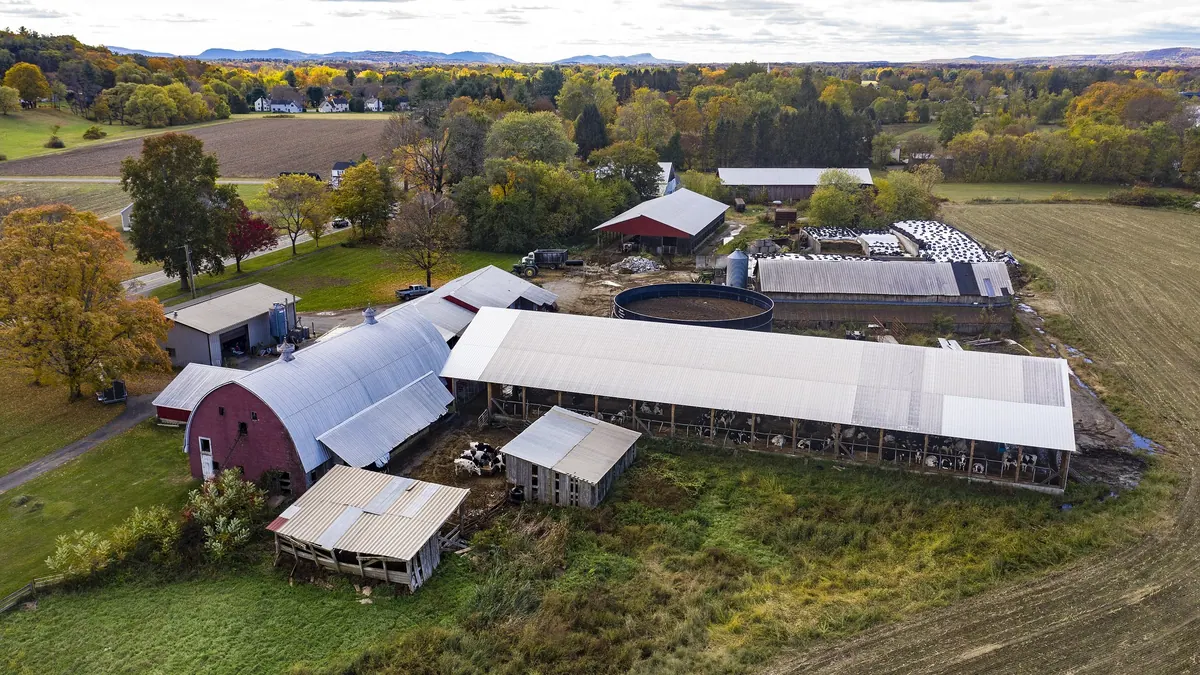

The Minister of Agriculture and Rural Development issued on 12 October 2023 a regulation on the detailed list of substrates that may be used in an agricultural biogas plant (Journal of Laws (Dz.U.) 2023, item 2230). It enters into force on 18 October 2023. This implementing act under the act on facilitations for agricultural biogas plants is important for investors, because it is this list that determines whether a project can benefit from the simplified procedures and facilitations of the act.
What is changing
The list is divided into two groups.
Group 1 – biomass: - manure, - straw, - other harmless natural substances from agriculture or forestry, including from the cultivation of edible mushrooms and hydroponics.
Group 2 – other substrates harmless to human and animal health and the environment, exclusively of biological origin: - biomass from the maintenance of green areas, - animal by-products, including whey (categories 2 and 3 of Regulation 1069/2009), - liquid and solid residues from the production of biogas from substrates on the list, - by-products within the meaning of Article 10 of the waste act, such as pomace, pulp, distillery and food processing residues, fats unfit for consumption, - waste from agriculture, horticulture, forestry, fishing and from the food, dairy, bakery, sugar and beverage industries, marked with specified waste codes.
Substrates from group 2 must come directly from the producer and be delivered directly to the biogas producer. Animal by-products must meet the requirements of Regulation 142/2011 for biogas or composting. Hazardous and municipal waste are not permitted. The regulation sets no quantitative limits: restrictions result from origin, hazard classification, the manner of delivery and the waste codes.
Significance for the industry in Poland
The list clarifies which biogas plants can count on the facilitations. Installations based on slurry, manure, straw and processing residues fit within it without difficulty. The exclusion of municipal waste means that waste-based biogas plants that process biowaste from separate collection do not benefit from the simplified pathway but are subject to the general rules.
The requirement of direct delivery from the producer is meant to limit the risk that the facilitations will be used for indirect waste trading. For intermediaries and logistics companies this means the need to analyse contracts.
What to pay attention to
The investor should compare the planned substrate mix with the list, verify the waste codes and the status of by-products, and check compliance with the requirements for animal by-products. Delivery documentation should confirm the direct nature of the relationship with the producer.
Where to seek clarification
Doubts about the classification of specific feedstocks should be consulted with the supervisory authorities: KOWR, the environmental protection inspectorate and veterinary authorities in the case of animal by-products. Good practice is to keep complete delivery documentation, including waste transfer notes (KPO) or commercial documents for by-products.
What next
The list may be amended if practice shows gaps or a need to include further substrates. The industry is also calling for the facilitations to be extended to installations using part of municipal biowaste in cooperation with municipalities.
Sources
Related articles