BiohydrogenAnalysis
Hydrogen from biomass and electrolysis: technology readiness levels (TRL), costs and realistic prospects
We compare hydrogen production pathways from biomass and biogas (dark fermentation, photofermentation, gasification, reforming) and electrolysis in terms of technological maturity, costs and barriers to deployment.
Other language versions: polski.
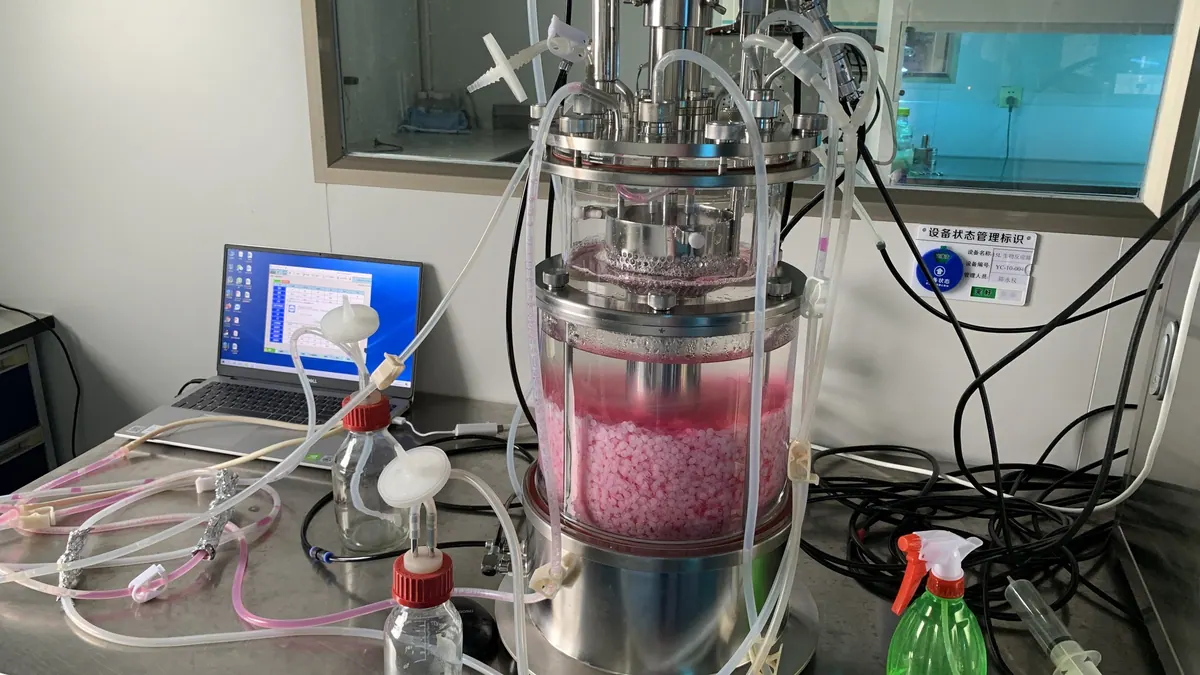

Hydrogen from biomass and biogas covers technologies of very different maturity: methane reforming is mature for fossil gas and demonstrated for biogas, biomass gasification works in demonstration installations, and dark fermentation and photofermentation remain at the research stage. Water electrolysis powered by renewable energy is a commercial technology, but with costs strongly dependent on the price of electricity and plant utilisation. A realistic assessment needs three measures: the technology readiness level (TRL), the production cost and regulatory barriers.
Technology readiness levels
The TRL scale (from 1 to 9) describes the path from concept to commercial deployment. The table below is a simplified order-of-magnitude assessment, based on literature reviews and international reports; specific projects may differ.
| Technology | Indicative TRL | Notes |
|---|---|---|
| Steam reforming of natural gas | 9 | industrially mature |
| Biomethane reforming | 7–9 | the same technology; requires biomethane and integration |
| Direct biogas reforming | 5–7 | demonstrations, impurities |
| Alkaline and PEM electrolysis | 8–9 | commercial, growing scale |
| Biomass gasification to hydrogen | 5–7 | pilots and demonstrations |
| Dark fermentation | 3–5 | laboratories, pilots |
| Photofermentation | 2–4 | laboratories |
| Hybrid systems (dark + photo) | 3–4 | research |
Costs: what they depend on
The cost of hydrogen (PLN/kg or USD/kg) consists of the cost of capital, the cost of feedstock or energy, operating costs and the cost of purification and compression. The International Energy Agency indicates in its reviews that hydrogen from natural gas (without CO₂ capture) has a cost strongly dependent on the gas price and is usually lower than from electrolysis, whereas hydrogen from electrolysis costs several USD/kg depending on the electricity price and the utilisation factor. In order-of-magnitude terms, biohydrogen from biological processes is more expensive today because of low yields and the lack of scale. The exact figures depend on the region and the year, so it is worth checking them in current reports.
Example of an electrolysis cost calculation (assumptions)
Assumptions: energy consumption of 52 kWh/kg H₂, electricity price of PLN 400/MWh, electrolyser CAPEX of PLN 6 million/MW (assumption), a period of 15 years, a rate of 8% (CRF 0.1168), 4000 operating hours per year. Production per 1 MW: 4000 MWh / 52 kWh/kg = ~76.9 t H₂/year. Energy cost: 52 kWh × PLN 0.4/kWh = PLN 20.8/kg. Capital cost: 6 million × 0.1168 = PLN 0.70 million/year ÷ 76,900 kg = PLN 9.1/kg. Fixed OPEX (e.g. 3% of CAPEX = PLN 0.18 million/year) ÷ 76,900 = PLN 2.3/kg. Total ≈ PLN 32/kg (excluding compression and distribution). At 8000 h/year the capital cost would fall by half (≈ PLN 4.5/kg), while the unit energy cost would remain unchanged (PLN 20.8/kg). The example shows the sensitivity to the utilisation factor and the electricity price; the values are hypothetical.
Cost of biomethane reforming (structure)
The main component is the cost of biomethane. With a consumption of 3.4 kg CH₄ per kg H₂ (about 47 kWh of energy) and an assumed biomethane price of PLN 450/MWh, the feedstock cost is about PLN 21/kg H₂ (47 × 0.45), before adding capital and purification. The result is comparable to the energy cost in electrolysis, which shows that hydrogen from biomethane makes sense only where biomethane is cheap or where the hydrogen provides added value (e.g. a low carbon footprint for industry).
Barriers
- Cost and availability of feedstock (biomethane, biomass, renewable electricity).
- Lack of infrastructure for hydrogen (pipelines, stores, stations).
- Regulations and certification (RFNBO, sustainability criteria).
- Demand (industry, transport) and willingness to pay.
- Scale and technological risk for biological technologies.
Realistic prospects
In the short term, hydrogen from biomass will be of niche importance, mainly in demonstration projects and where there is demand for hydrogen with a low carbon footprint and biomethane is available. In the longer term, the role depends on energy prices, policy and innovation. For biogas plants, sensible scenarios are the production of biomethane, bioCNG/bioLNG and the supply of CO₂ for e-fuels, rather than stand-alone hydrogen production.
Summary
Assessing biohydrogen requires a sober approach: check the TRL, costs and regulations for each pathway, and compare reports of breakthroughs with data from pilot installations.
Sources
Related articles