BiohydrogenEvent
France presents a hydrogen strategy: EUR 7.2 billion to 2030 and 6.5 GW of electrolysers
On 8 September 2020 the French government announced a national low-carbon hydrogen strategy: EUR 7.2 billion of public support to 2030, of which EUR 2 billion in 2021–2022 under the recovery plan.
Other language versions: polski.
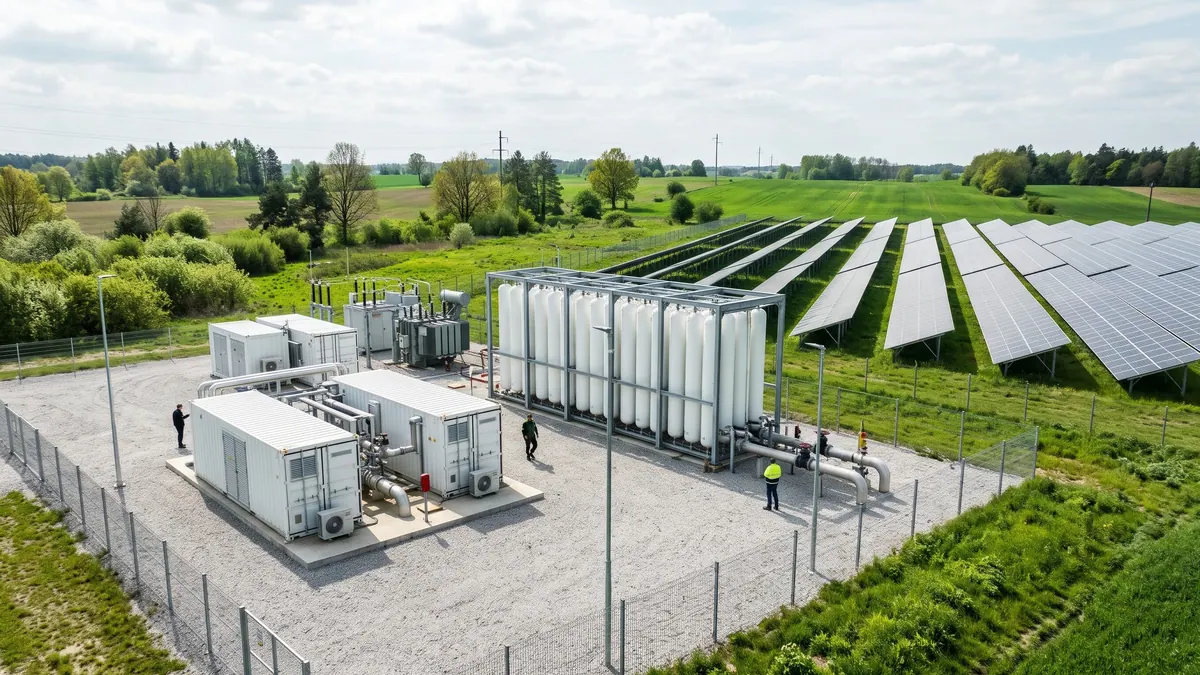
On 8 September 2020 the French government presented a national strategy for the development of low-carbon hydrogen. Its central element is EUR 7.2 billion of public support to 2030, of which EUR 2 billion was planned for 2021–2022 under the France Relance recovery plan. The technical target is 6.5 GW of electrolyser capacity by 2030.
Key assumptions
The French strategy focuses on three areas:
- decarbonisation of industry — replacing grey hydrogen, produced from natural gas, with low-carbon hydrogen in refineries and the chemical industry;
- heavy transport — developing hydrogen applications in commercial vehicles, railways and local transport;
- research and innovation — supporting technology development and building a value chain in the country.
The strategy appeared two months after the European Commission presented the hydrogen strategy for the whole Union (8 July 2020), and France was one of the states that were defining their own paths in this period. In contrast to the German document, it clearly stressed the role of low-carbon hydrogen, which reflects the structure of the French energy mix based on nuclear power.
Significance for biogas and biohydrogen
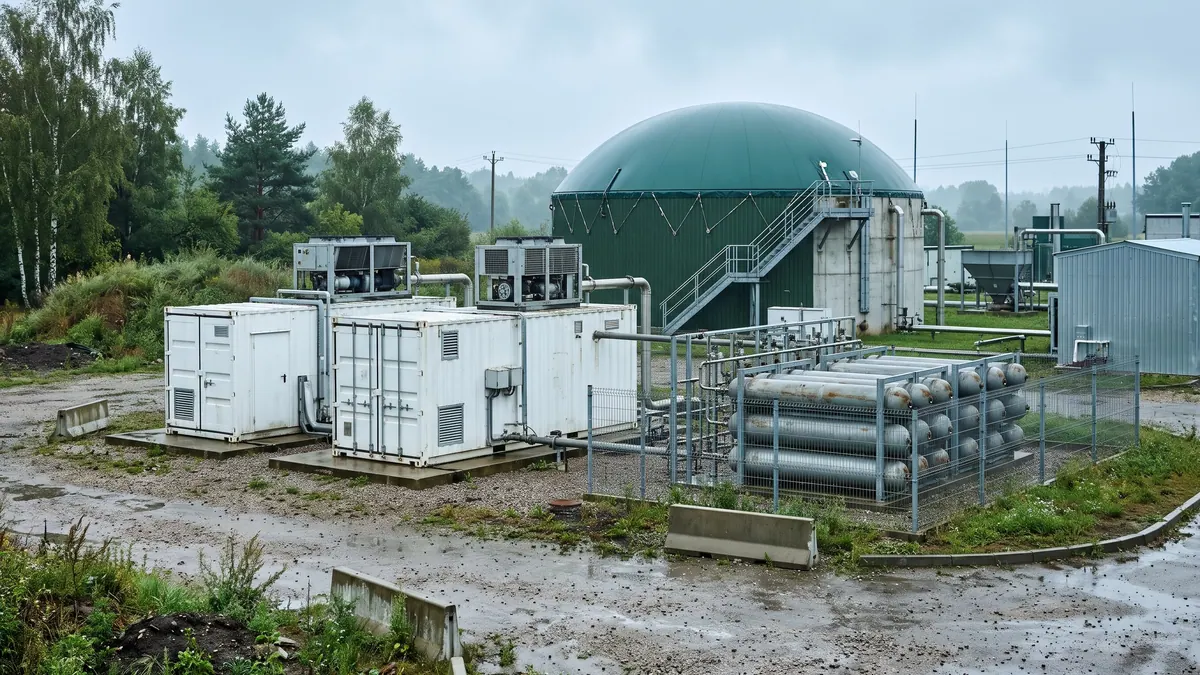
Hydrogen and biomethane are often discussed as competing gas carriers, but in practice they differ in their applications. France, which in April 2020 approved an energy programme with targets for injected biomethane, is developing both directions in parallel. For biogas producers it is important that in countries investing heavily in hydrogen, interest grows in the market for renewable and low-carbon gases as a whole, and the discussion of transmission infrastructure covers both carriers.
From a research perspective it is worth noting that biohydrogen — hydrogen produced by biological processes from biomass or waste — remains at the stage of research and pilots, and national strategies focus on electrolysis.
Conclusions for Poland
The French strategy shows a financing approach typical of Europe: large public funds at the first stage of technology development, linked to post-pandemic recovery plans. At that time Poland did not yet have its own hydrogen strategy; work was under way in the Ministry of Climate. For the industry this meant the need to follow what support conditions would be set in the country, and whether biogas, biomethane and hydrogen would be treated in a complementary way.
What next
In the following months further states published their own documents, and the Commission worked on regulations concerning the hydrogen market and the certification of renewable and low-carbon fuels. The effectiveness of the strategy was to depend on the costs of electrolysers, electricity prices and industrial demand.
Why low-carbon hydrogen and not only renewable
The term "low-carbon hydrogen" covers hydrogen produced by electrolysis powered by nuclear or renewable energy. For France, where nuclear power accounts for most electricity production, this means a completely different cost calculation than in countries based on wind and sun. Differences in the approach to defining hydrogen became one of the main topics of discussion on EU regulation in the following years.
Sources
Related articles