BiohydrogenEvent
First European Hydrogen Bank auction: €720 million for seven projects
On 30 April 2024 the European Commission announced the results of the first European Hydrogen Bank auction: almost €720 million for seven renewable hydrogen projects in four countries.
Other language versions: polski.
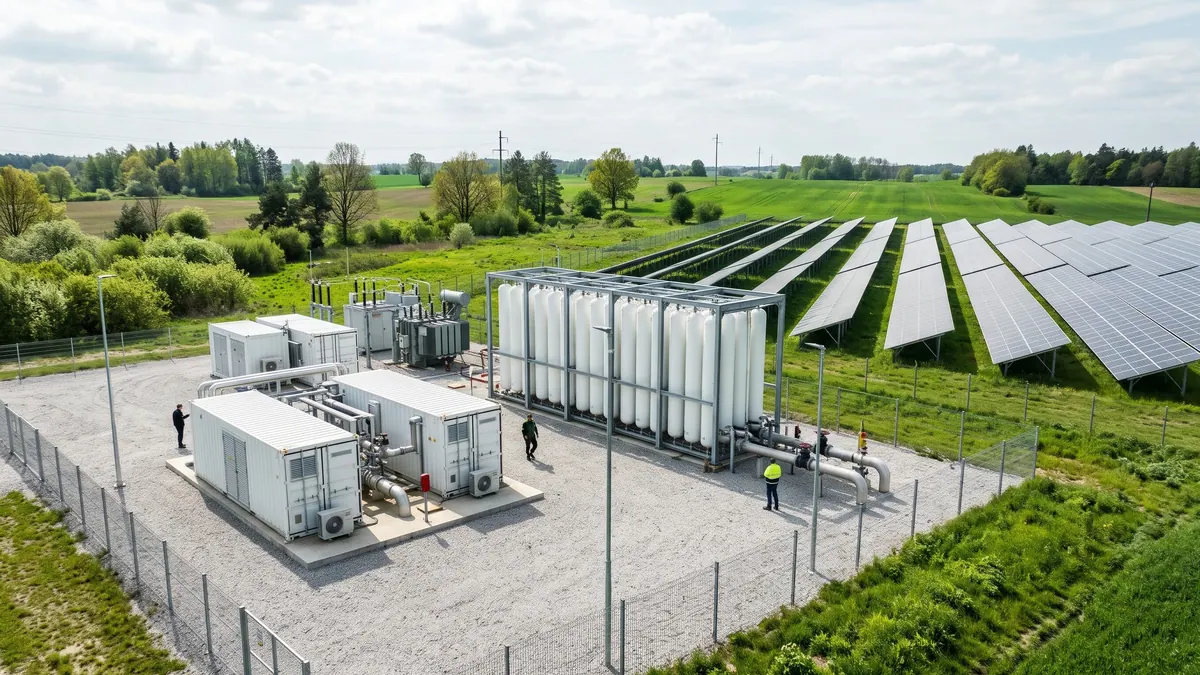
On 30 April 2024 the European Commission announced the results of the first European Hydrogen Bank auction. Almost €720 million will go to seven renewable hydrogen production projects, selected from 132 bids. It is the first major test of how far EU operating support actually reduces the price of hydrogen produced from renewable electricity.
What the results showed
The auction had a subsidy ceiling of €4.50 per kilogram of hydrogen. Winning bids were much lower: from about €0.37 to about €0.48 per kg, with an average of around €0.40/kg. Subsidies for individual projects ranged from 8 to 245 million euro. According to the announcements, the projects have a combined capacity of about 1.5 GW of electrolysers and are to produce around 1.58 million tonnes of RFNBO hydrogen (renewable fuels of non-biological origin) over ten years. The winning investments are located in four countries: Portugal, Spain, Norway and Finland. Germany added national funds under an "auctions-as-a-service" mechanism for projects that met the criteria but did not receive EU funding (reportedly about €350 million).
It is worth remembering that low subsidy rates do not mean cheap hydrogen: the subsidy is a premium on top of the market price, and the cost of production still depends on electricity and electrolyser prices.
Hydrogen from electrolysis versus biohydrogen
This entry concerns a category in which the question of "biohydrogen" often arises. Under EU law, hydrogen from electrolysis powered by renewable energy is RFNBO provided it meets the criteria in the delegated acts to RED (including additionality and temporal and geographical correlation of electricity supply). Biohydrogen produced from biomass or biogas – e.g. by reforming biomethane, gasification or biological processes – is subject to the RED criteria for biofuels and biogas, not to the rules for RFNBO. The distinction matters for certification, for support systems and for which hydrogen can count towards renewable energy targets in industry and transport.
Significance for the industry in Poland
In 2024 Poland was running a dozen or so hydrogen projects, but no Polish project featured in the first auction. For biogas plant owners, it is important that the development of electrolysers and hydrogen infrastructure will compete for the same market of customers in industry and heavy transport, with which bioCNG and bioLNG are also associated. In some locations biogas plants may be a source of biogenic CO₂ for synthesising fuels from hydrogen (e-methane). As for the economics, hydrogen from biogas is competitive only where biogas is produced anyway and hydrogen distribution infrastructure is available.
What next
The Hydrogen Bank planned further auctions, and the Commission indicated that the first round made it possible to identify barriers: concluding offtake agreements, availability of renewable energy and permitting procedures. The auction results are therefore an indicator of the pace of market development, but they do not guarantee that all projects will be completed.
Sources
Related articles