BiohydrogenEvent
The EC approved an Italian EUR 6 billion scheme for renewable hydrogen, including from biomass
The European Commission approved an Italian aid scheme worth EUR 6 billion for renewable hydrogen production until the end of 2029. The biogenic route is also eligible, alongside electrolysis powered by RES; the target is 200 thousand tonnes per year.
Other language versions: polski.
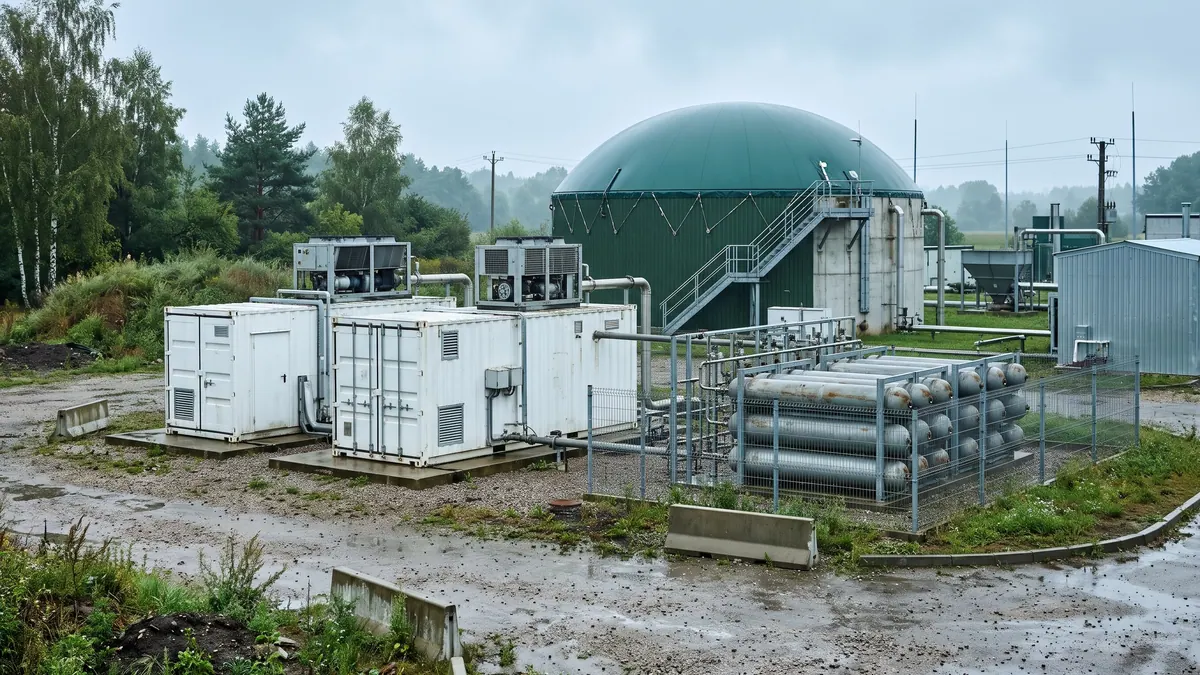
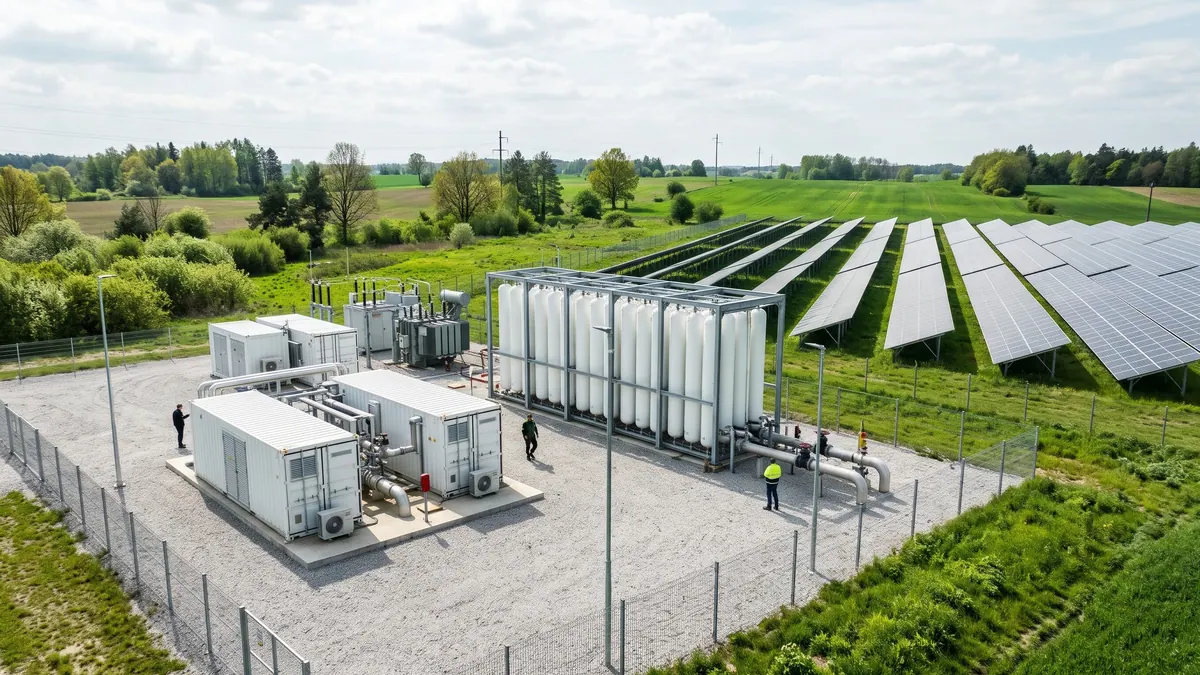
The European Commission approved an Italian State aid scheme worth EUR 6 billion for renewable hydrogen production. The information was published on 31 March 2026; the source does not give the exact date of the decision. For the biohydrogen theme it is important that the scheme also admitted the biogenic route, that is hydrogen from biomass, alongside electrolysis powered by renewable electricity.
Key parameters
The scheme is to run until the end of 2029 and support production of about 200 thousand tonnes of renewable hydrogen per year. It was assessed on the basis of the Commission's 2022 guidelines on State aid for climate, environmental protection and energy. It is not known what share of the funds will go to hydrogen from electrolysis and what share to hydrogen from biomass; the source also does not specify how the scheme links to support for biomethane.
Biogenic hydrogen and RFNBO
In EU law, hydrogen produced from biomass or biogas is subject to the sustainability criteria for bioenergy (RED), while hydrogen from electrolysis is subject to the rules for renewable fuels of non-biological origin (RFNBO). The Italian wording "renewable" allows both pathways. Biogenic hydrogen can be produced, among other ways, by steam reforming of biomethane, gasification of biomass or biological processes; with biomethane reforming, the CO₂ emission is biogenic and can be captured, which potentially gives a negative carbon footprint (BECCS).
Italy developed its biomethane market on the basis of the national recovery plan and decrees on certificates. The inclusion of hydrogen from biomass in the aid scheme shows that the government treats biogas as an element of the chain, and not only as a fuel.
Significance for the industry in Poland
Poland is developing hydrogen primarily as an element of transport and industry (chemicals, refineries), and biohydrogen projects are few. The Italian example suggests that support for renewable hydrogen can be designed in a technology-neutral way, which opens the way for projects using biomethane and biogenic CO₂. For Polish biomethane producers it is a signal that an additional market outlet may emerge in future: reforming biomethane at industrial installations or synthesising e-methane from biogenic CO₂.
For operators of existing biogas plants it is worth following the eligibility conditions: hydrogen from biomass must meet the RED emission reduction criteria, which requires certification.
What to watch
The information on the scheme comes from a single industry source, and the details (level of subsidies, auctions, allocation between technologies) have not been given. The key points will be the Italian authorities' decisions on selecting beneficiaries and the results of subsequent auctions of the European Hydrogen Bank, which will show whether hydrogen from biomass is competitive with electrolysis.
Sources
Related articles