BiohydrogenEvent
Sinopec plans a 400-kilometre hydrogen pipeline from Inner Mongolia to Beijing
In April 2023 Sinopec announced the construction of China's first long-distance hydrogen pipeline: about 400 km from Ulanqab to Beijing, initially 100,000 t a year.
Other language versions: polski.
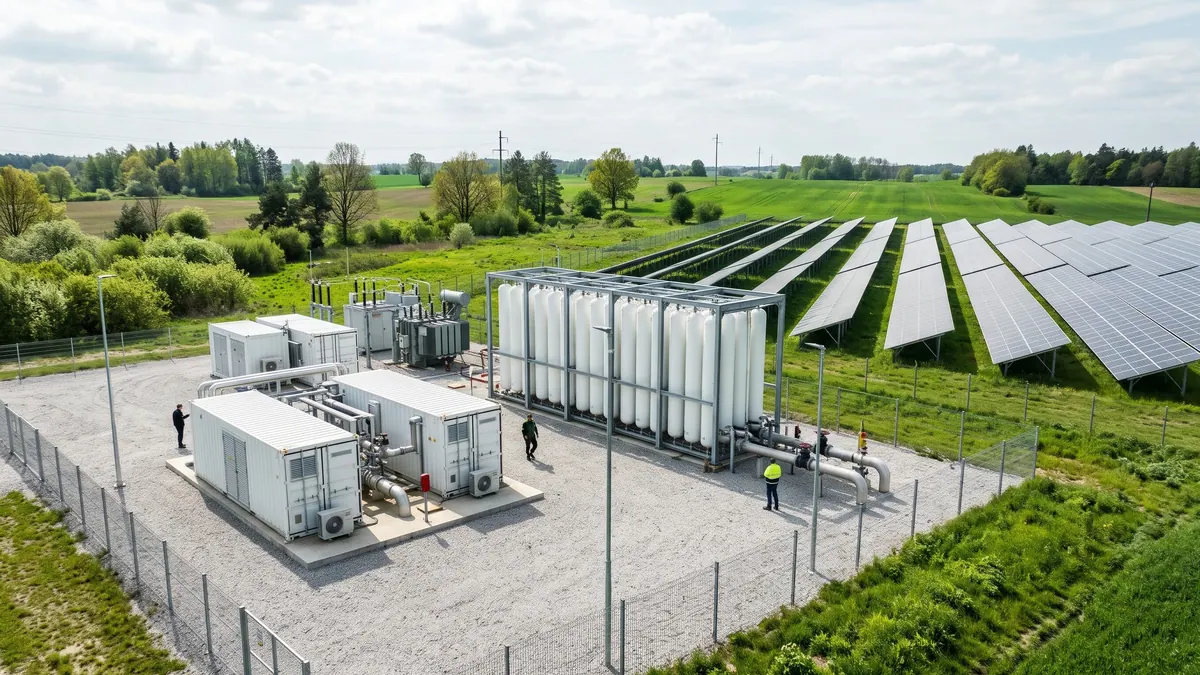
The Chinese group Sinopec announced in April 2023 the construction of the country's first long-distance inter-regional hydrogen pipeline. It is to be over 400 km long and connect Ulanqab in Inner Mongolia with Beijing. The initial transmission capacity is about 100,000 t of hydrogen a year, and in later stages — according to Enerdata — 500,000 t.
Route and purpose
According to a Xinhua report based on a statement by Sinopec chairman Ma Yongsheng, the pipeline will carry clean hydrogen from China's western regions to the eastern energy-consuming areas and replace hydrogen produced from fossil fuels in the Beijing–Tianjin–Hebei region. The project was included in the plan for building the oil and gas network, which the National Energy Administration published in March 2023.
Separately, Sinopec announced a green hydrogen plant in Ordos (also in Inner Mongolia) with a capacity of about 30,000 t of hydrogen and 240,000 t of oxygen a year — according to reports it would go to a nearby coal chemicals plant. The sources do not say whether Ordos will feed the pipeline to Beijing, nor do they give the cost of the pipeline, so linking the two ventures would be guesswork.
The role of pipelines in the hydrogen economy
Hydrogen is costly to transport on a large scale: in compressed form it requires trucks and a large number of trips, in liquid form — costly liquefaction. Pipelines are the cheapest option for large volumes and steady offtake, but require materials resistant to hydrogen embrittlement and safeguards. For China, where renewable potential is in the north and west and demand in the east, long-distance transport is a key element of the system.
Link to biomethane
Biomethane is ready for use in existing gas networks, while hydrogen requires new infrastructure or blending in limited proportions. For the biogas industry, what matters is how quickly hydrogen offtakers emerge and how competition for public funds changes.
What we do not know
The reports lack a final investment decision, a schedule, the cost of the pipeline and the source of power for the electrolysers. In Chinese hydrogen projects, delays and low capacity utilisation have often been a problem — as the example of the Kuqa plant shows.
What this means for Poland/Europe
The way China plans to connect renewable regions with industrial customers is a case study for the debate on the European hydrogen market and on “hydrogen corridors”. Hydrogen pipelines require several years of investment, so in the short term hydrogen will remain a local product.
Sources
Related articles