BiohydrogenEvent
Sinopec starts up a green hydrogen plant in Kuqa (Xinjiang). A big launch, doubts about full capacity
Sinopec announced in early July 2023 the start of production in Kuqa in Xinjiang: about 260 MW of electrolysers and a target of about 20,000 t of hydrogen a year.
Other language versions: polski.
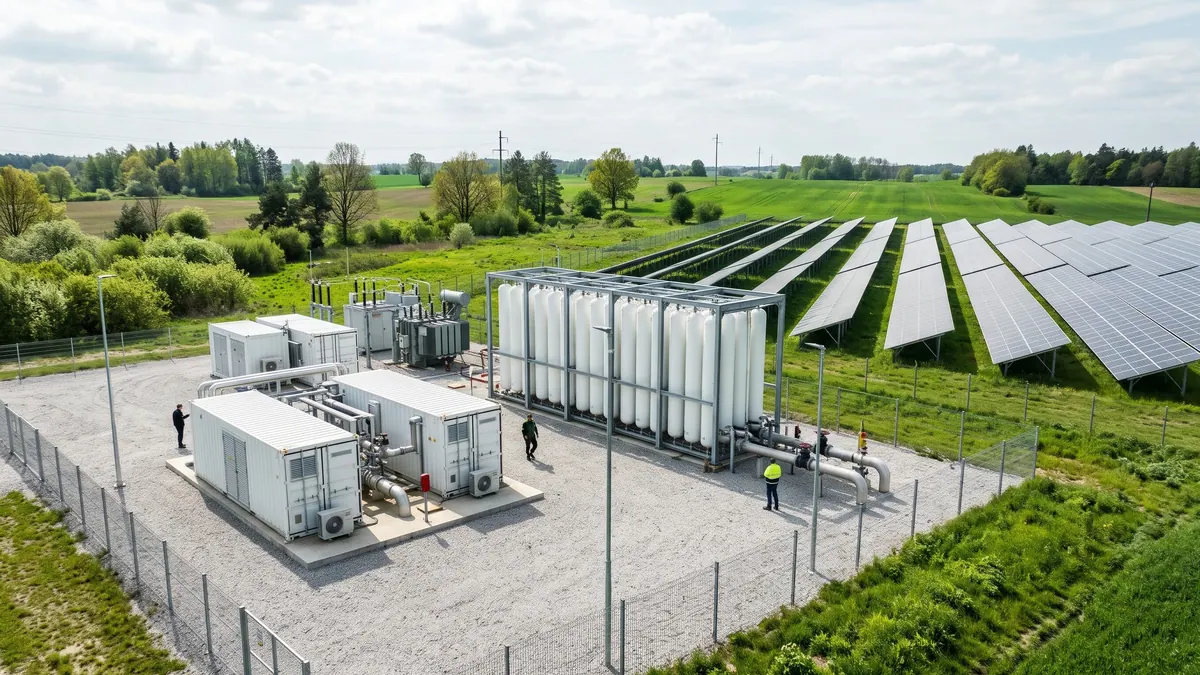
Sinopec announced in early July 2023 the start of operations of a pilot green hydrogen plant in Kuqa (Aksu Prefecture, Xinjiang region). The plant uses solar energy for water electrolysis, has a production capacity of 20,000 t of hydrogen a year and, according to ChemAnalyst, is based on about 260 MW of electrolysers. Production began on 30 June 2023.
Project parameters
The plant is being built by Sinopec (the company New Star); construction began in November 2021, and the cost was about 3 billion yuan (about USD 414 million). Hydrogen storage capacity is 210,000 m³, and transmission capacity 28,000 m³ an hour. The hydrogen feeds the Tahe Refining & Chemical refinery, replacing hydrogen produced from natural gas, and Sinopec estimates that this will reduce CO₂ emissions by 485,000 t a year. Asia Financial described it as the largest green hydrogen plant operating in China and the first solar hydrogen plant with a capacity of over 10,000 t a year, and Chemical Engineering — as the world's largest solar hydrogen project. The open sources we reached do not give the capacity of the accompanying photovoltaic plant; various values appeared in the trade press (300 MW and others), which we have not confirmed.
Doubts after the start
As of the publication date, no data were available on the actual utilisation of the electrolysers' capacity; variable load from solar energy is a typical challenge for such installations. Data from a later period are collected in the update.
Why electrolysers do not run continuously
Electrolysers powered directly by solar energy operate in a variable mode: at night and under cloud cover production falls. Installations with a low capacity utilisation factor therefore have a higher unit cost of hydrogen. In projects powered solely by renewables, the ratio of the source's capacity to the electrolysers' capacity and the availability of storage are key.
What we do not know
We have not confirmed in open sources what the capacity of its photovoltaic installation is.
What this means for Poland/Europe
The Kuqa example illustrates that a project's announced capacity is one thing and actual production another. In European hydrogen cost analyses it is worth applying realistic utilisation factors and allowing for the commissioning period, which in pioneering installations often lasts much longer than planned.
Sources
- Asia Financial — China's Sinopec starts first green hydrogen plant in Xinjiang
- Sinopec (PRNewswire) — Xinjiang Kuqa Green Hydrogen Pilot Project Enters Operation (3.07.2023)
- Chemical Engineering — Sinopec launches production at solar-powered green hydrogen plant (31.08.2023)
- ChemAnalyst — Sinopec green hydrogen project fixes delayed to late 2025 (3.01.2024) (aktualizacja)
Related articles