BiohydrogenEvent
China publishes a hydrogen development plan for 2021–2035. Target: 50,000 vehicles and up to 200,000 t of green H₂
On 23 March 2022 the NDRC and the NEA published a medium- and long-term plan for developing the hydrogen industry: by 2025 about 50,000 fuel cell vehicles and 100–200 thousand t of green hydrogen a year.
Other language versions: polski.
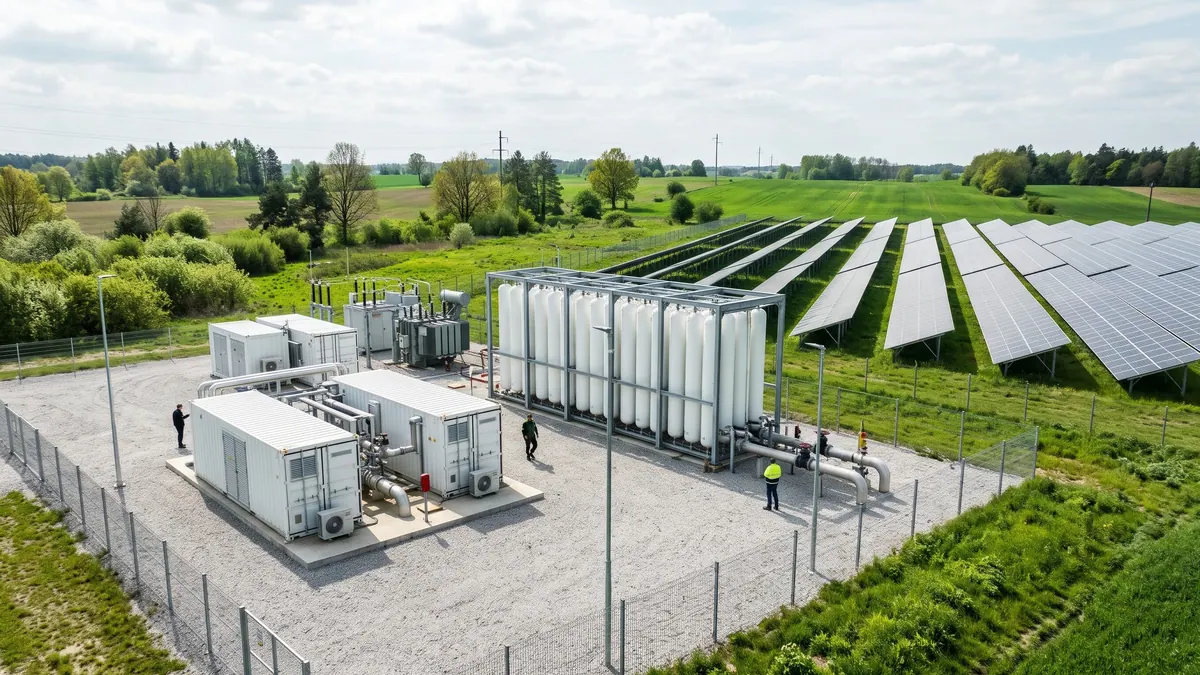
On 23 March 2022 China presented its first national hydrogen development plan: the “Medium- and Long-Term Plan for the Development of the Hydrogen Industry for 2021–2035”. The document was issued by the National Development and Reform Commission (NDRC) and the National Energy Administration (NEA). It assumes that by 2025 about 50,000 fuel cell vehicles will be on the country's roads and hydrogen production from renewable sources will reach 100–200 thousand t a year.
Targets for 2025
According to a Xinhua report (24 March 2022) and the IEA policy database, the plan indicates for 2025:
- about 50,000 hydrogen-powered vehicles,
- a certain number of refuelling stations,
- production of 100–200 thousand t of hydrogen from renewable sources a year, which is to reduce CO₂ emissions by 1–2 million t a year.
The IEA gives the same values (50,000 vehicles, 100–200 thousand t of green hydrogen); the sources do not settle whether 50,000 means vehicles in operation or produced, so we quote them as they are worded in the plan.
The outlook to 2030 and 2035
The plan provides that by 2030 a relatively complete system of technological innovation and a system for producing and supplying hydrogen from clean sources will be in place, consistent with the CO₂ emissions peak planned for that year. By 2035 the share of hydrogen produced from renewables in final energy consumption is to increase significantly. The long-term horizon remains carbon neutrality in 2060.
Is this “biohydrogen”?
The plan concerns mainly hydrogen produced from renewable energy, not biohydrogen from fermentation or from reforming biomethane. For the biogas industry, however, what matters is that the development of hydrogen creates a competing market outlet for renewable molecules: biomethane can be a fuel in heavy transport, but in China it will compete with hydrogen from renewables.
What this means for Poland/Europe
The Chinese hydrogen market is shaped by the industrial and energy policy set out in national plans, not solely by gas prices, which distinguishes it from the EU logic, in which, alongside the RED regulations, energy and gas prices play an important role. The numerical targets for 2025 (50,000 vehicles, 100–200 thousand t of hydrogen from renewables) are worth treating as a reference point when assessing the pace of delivery — the example of the Kuqa plant shows that announced capacity and actual production can differ.
Sources
Related articles