BiohydrogenEvent
Germany adopts the National Hydrogen Strategy: 5 GW of electrolysers by 2030
On 10 June 2020 the German federal government approved a hydrogen strategy with a target of 5 GW of electrolyser capacity by 2030 and a budget of EUR 9 billion, of which EUR 7 billion domestically.
Other language versions: polski.
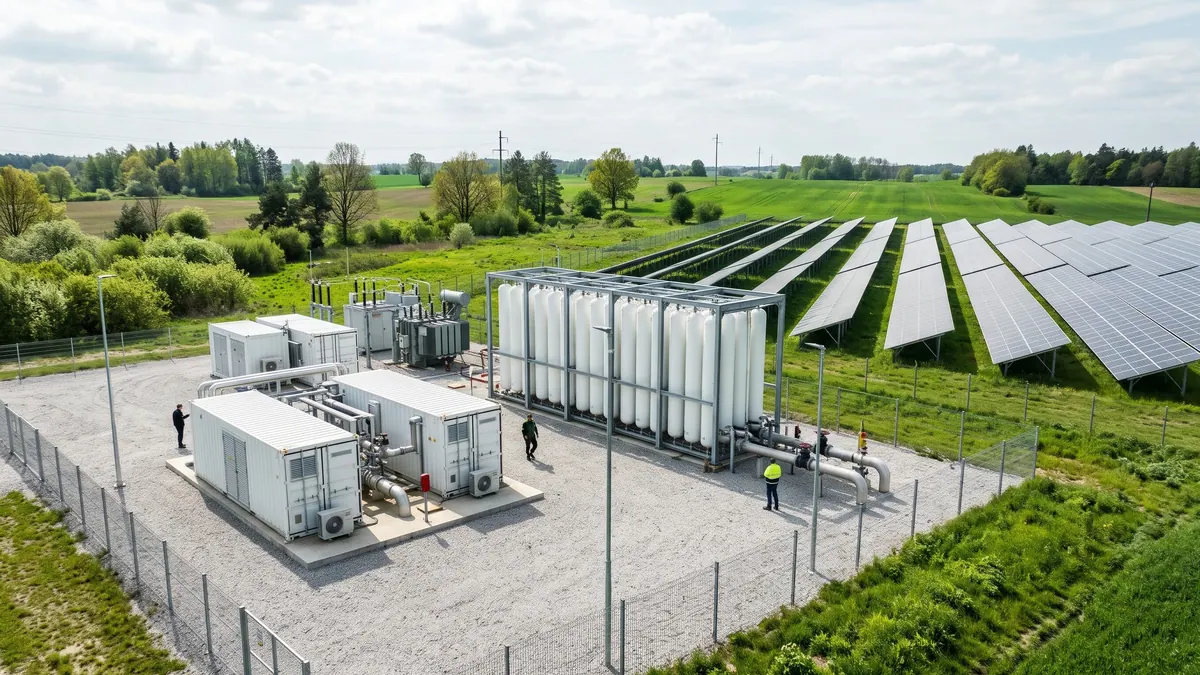
On 10 June 2020 the German federal government approved the National Hydrogen Strategy, whose central element is the build-out of electrolyser capacity to produce hydrogen from renewable energy sources. The strategy assumes up to 5 GW of installed capacity by 2030 and a further 5 GW by 2040 at the latest. EUR 9 billion was allocated for its implementation.
Key assumptions
The document gives hydrogen the role of an energy carrier for sectors that are hard to electrify: heavy industry, heavy transport and aviation. The main direction is so-called green hydrogen, that is, hydrogen produced from renewable electricity. Other types of hydrogen are to play a transitional role.
The funds were divided into two parts: EUR 7 billion for developing the domestic market and technologies, and EUR 2 billion for international partnerships, through which Germany wants to import hydrogen from countries with large renewable potential. The strategy also provides for support for research and pilot installations and for changes to regulations that will facilitate the construction of electrolysers and infrastructure.
What this means for biogas and biohydrogen
Hydrogen and biogas compete in some applications, but they also complement each other. Biomethane can be an energy carrier in the existing gas network, while hydrogen requires new or adapted installations. Hydrogen can be produced from biogas by steam reforming with CO₂ capture, and in the future biological processes, referred to as biohydrogen, are possible. At this stage, however, the German strategy focused on electrolysis.
For Polish companies the signal is twofold. On the one hand, Germany is creating a large market for hydrogen technologies and potentially for imported hydrogen. On the other, competition for funds and expertise is growing, and in some applications hydrogen may be an alternative to biomethane.
The EU context
The European Commission announced that it would present its own hydrogen strategy for the whole Union at the beginning of July, so the German document was also perceived as a signal for negotiations at EU level.
What next
Implementation depended on the pace of expansion of renewable capacity, the costs of electrolysers and decisions on transmission infrastructure. Neighbouring states, including Poland, were preparing their own strategic documents.
Significance for Central Europe
Germany is the largest gas market in the Union and one of the largest hydrogen consumers in the chemical and steel industries. German decisions on transporting hydrogen through the existing gas network and on the role of imports will affect infrastructure development plans in neighbouring countries. For Polish network operators and producers of renewable gases this meant the need to follow how gas quality standards and the rules of cross-border trade would change.
Electrolysis and biogas in practice
Electrolysers need large amounts of cheap renewable energy, and their profitability depends on the number of operating hours per year. Biogas plants, in turn, produce gas continuously, regardless of the weather. For this reason, in discussions about the energy system biogas is sometimes pointed to as a source of flexibility that complements variable production from wind and sun, and not necessarily as a competitor to hydrogen.
Sources
Related articles