BiomethaneEvent
PGNiG announces a biomethane plant construction programme: ultimately approx. 4 billion m³ of biomethane per year
The President of the Polish Oil and Gas Company (PGNiG), Jerzy Kwieciński, announced a biomethane plant construction programme at the European Economic Congress in Katowice. The first installation was to start at the turn of 2020 and 2021.
Other language versions: polski.
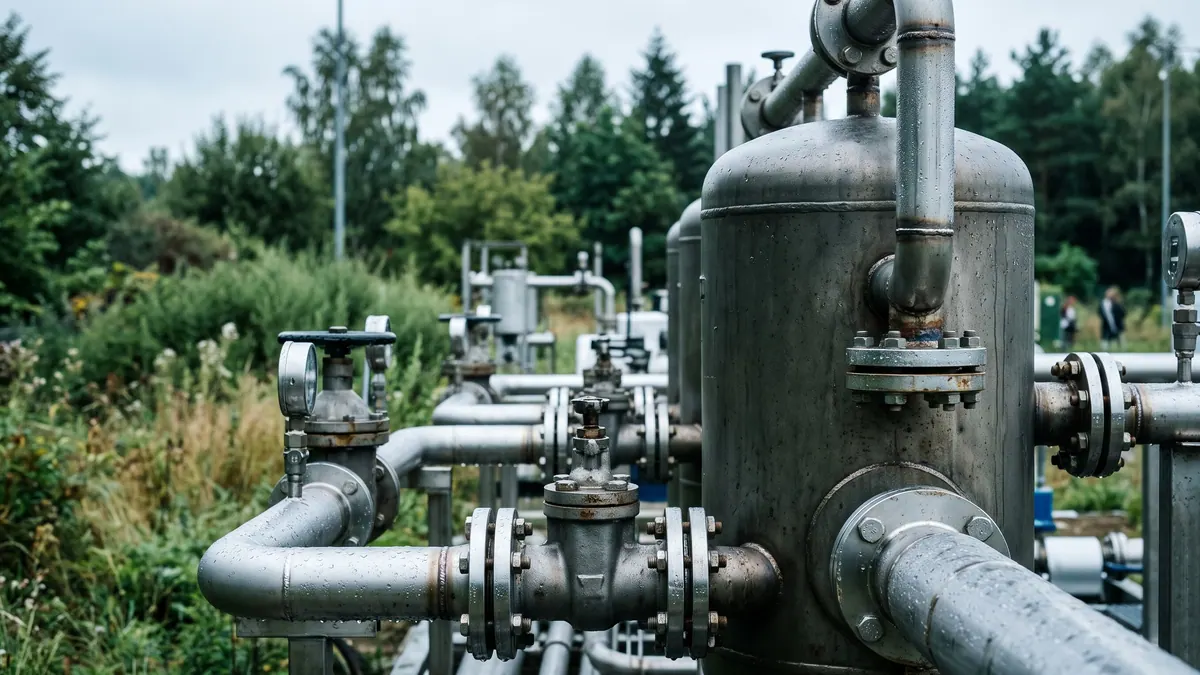
The President of the Polish Oil and Gas Company (Polskie Górnictwo Naftowe i Gazownictwo, PGNiG), Jerzy Kwieciński, announced at the beginning of September 2020, at the European Economic Congress in Katowice, the launch of a biomethane plant construction programme. According to the account published by Gramwzielone.pl on 4 September, the programme is to be one of the company's key initiatives in the area of green technologies. Ultimately PGNiG could produce around 4 billion m³ of biomethane per year, that is, as much as the total national production of natural gas.
What was announced
The most important assumptions presented by the president:
- scale — biomethane would cover about one fifth of national gas demand;
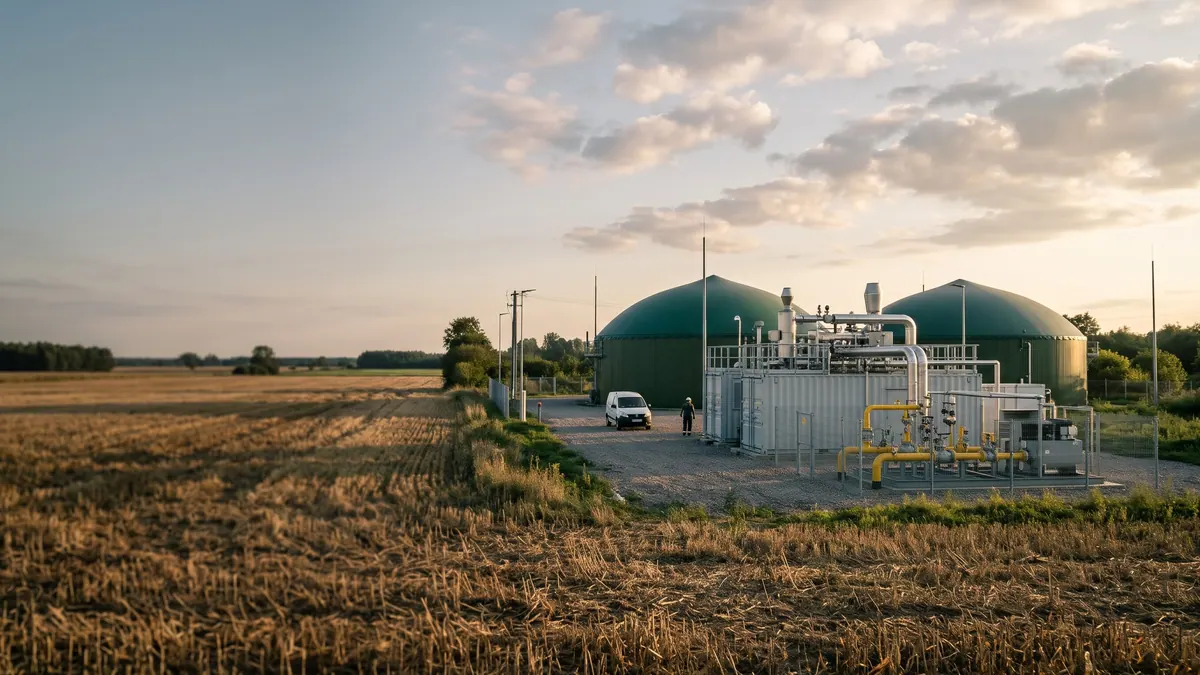
- model — PGNiG is to build only biomethane plants, and not classic biogas plants, and inject the gas produced into the grid, where it would blend with natural gas;
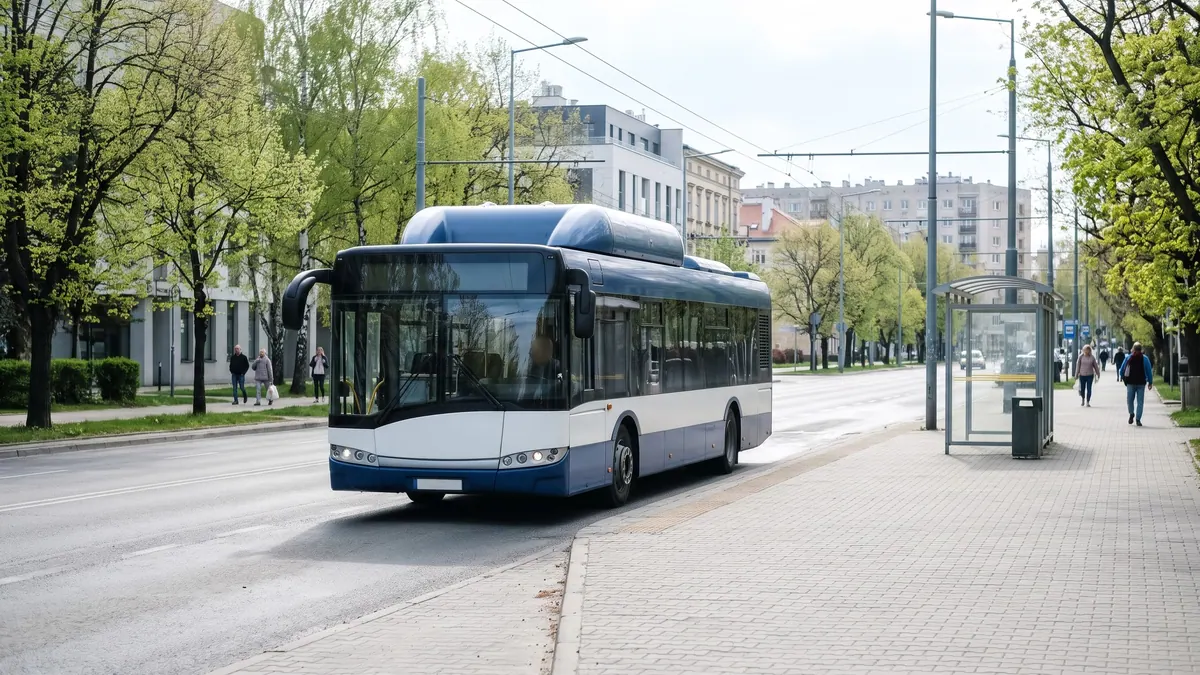
- uses — outside the grid, biomethane would fuel transport, for example gas buses;
- timing — the first installation was to be commissioned at the turn of 2020 and 2021;
- locations — no specific places were given.
In the same presentation PGNiG set out plans for investment in renewable energy sources: spending of the order of PLN 4 billion for up to 900 MW of capacity, mainly through acquiring smaller wind and photovoltaic farms, as well as the first electrolyser in Odolanów, powered from a 250 kW photovoltaic farm, and a hydrogen refuelling station at the company's headquarters in Warsaw in cooperation with Toyota.
Significance for the biogas market
The declaration by the country's largest gas company meant a change in approach to biogas. Until then the biogas market in Poland had relied mainly on installations producing electricity and heat, supported by auctions and tariffs, and biomethane practically did not exist. The involvement of PGNiG, which also owns the Polish distribution networks, could make it easier to connect installations to the grid and ensure offtake of the gas. At the same time, the company's ambitions depended on the legal framework: without rules on support, a register of producers and guarantees of origin for biomethane, it was hard to speak of profitable injection.
Estimates and unknowns
A scale of 4 billion m³ per year would require hundreds of installations and access to enormous quantities of substrates. The national biogas potential from the agri-food sector was then estimated at 7–8 billion m³ per year, and annual gas consumption in Poland at approx. 18–20 billion m³. The question remained over what time horizon and with what support the programme was to be implemented.
What next
For readers of the compendium the conclusion is simple: a large company with capital capacity and access to the grid has appeared that regarded biomethane as an element of its strategy. Its specific investment decisions, including the choice of technology and location, were to show whether the declarations would turn into operating installations.
How biomethane gets into the grid
Biomethane is biogas cleaned of CO₂, hydrogen sulphide and water to natural gas parameters, so that it can be injected into the distribution or transmission network. The upgrading installation most often uses membrane technologies, water scrubbing or pressure swing adsorption. The producer must also meet requirements on gas quality, energy metering and odorisation, and the network operator must provide a connection and offtake capacity, especially in periods of low gas consumption in summer.
Sources
Related articles