Baltic Pipe opened. Poland and Denmark connected by a pipeline, and by a system with a large share of biomethane
On 27 September 2022 Baltic Pipe, a pipeline with a capacity of 10 billion m³ a year from Denmark to Poland, was officially opened. For the biomethane industry it is also a link to a system in which renewable gas makes up a large part of the mix.
Other language versions: polski.
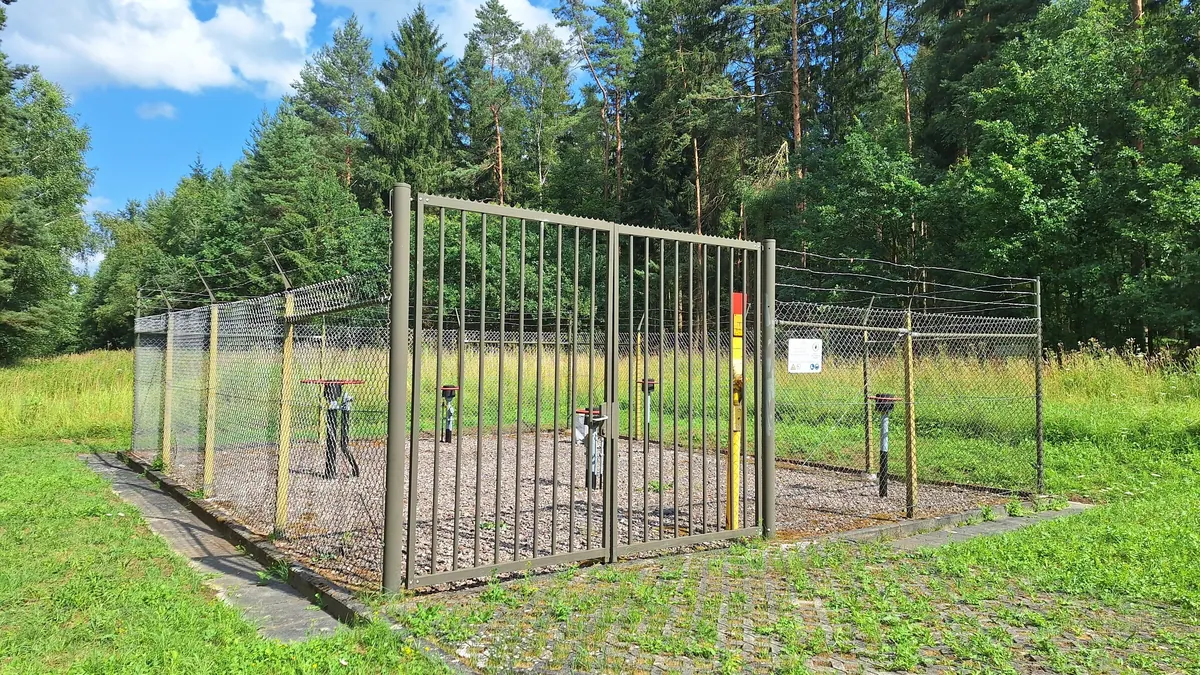

Baltic Pipe, the pipeline connecting Denmark with Poland, was officially opened on 27 September 2022. It makes it possible to transmit up to 10 billion m³ of gas a year to Poland, and up to 3 billion m³ to Denmark. Commercial transmission is to begin on 1 October 2022. For Poland it is a key element of supply diversification after Gazprom suspended deliveries in April. At the same time, the project links the Polish transmission system with the Danish one, in which the share of biomethane is one of the highest in Europe.
What is changing
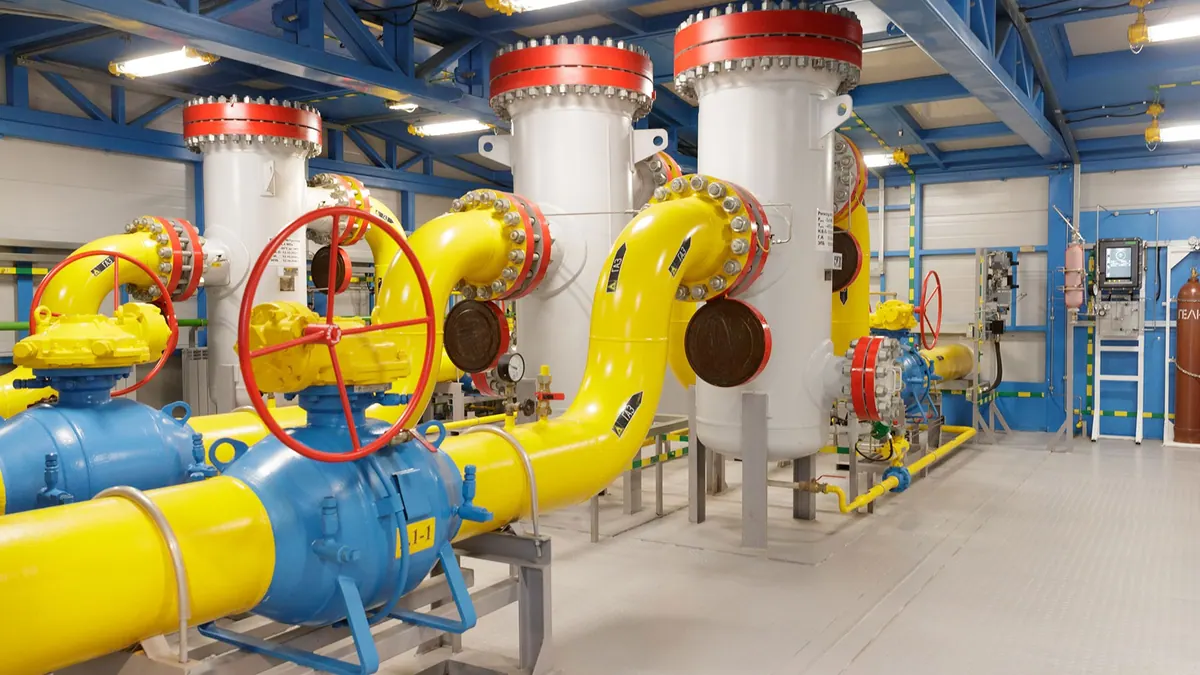
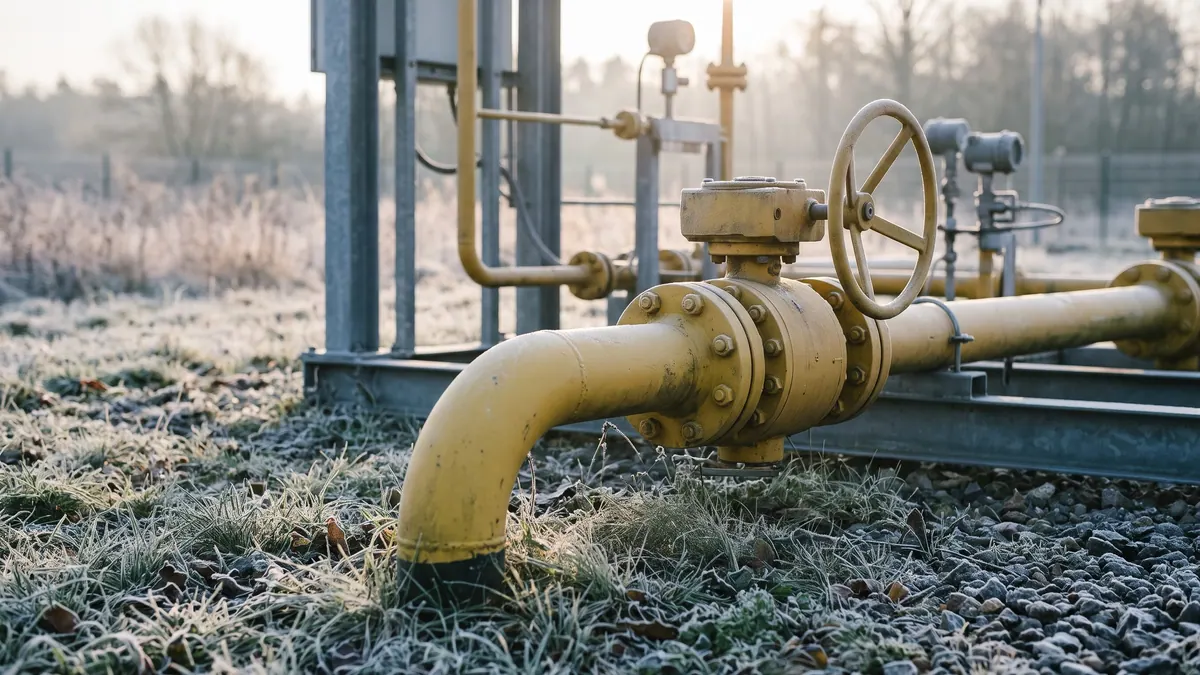
Baltic Pipe is a corridor of more than 900 kilometres, comprising, among others, a pipeline from Norway to Denmark, a compressor station, a pipeline across Denmark and the bed of the Baltic Sea, and a terminal section in Poland. Construction was carried out by GAZ-SYSTEM and the Danish operator Energinet. The investment gives Poland access to Norwegian gas without intermediaries and is an alternative to imports from Russia, which Russia has interrupted.
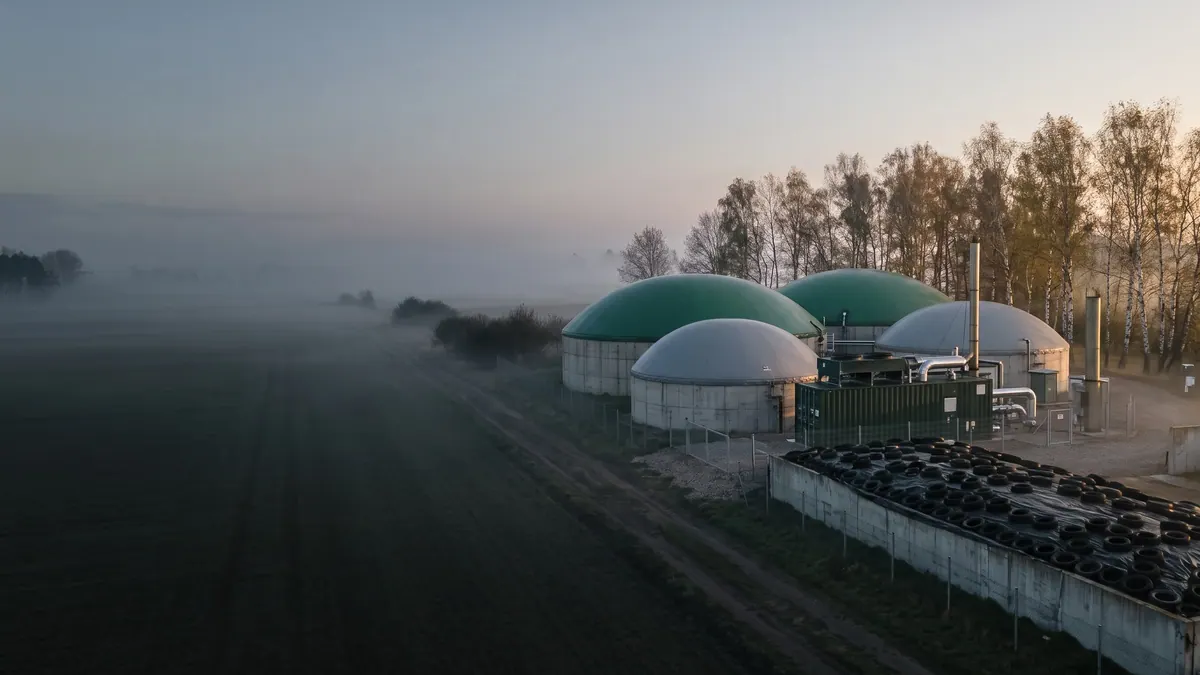
In the Danish system the share of biomethane currently exceeds 25%. The gas flowing through Baltic Pipe is admittedly from Norway, but the physical connection of the systems means that in the future biomethane from Denmark could, with appropriate regulation, reach Poland, and Polish installations could draw on Danish experience with quality standards and connections.
Significance for the industry in Poland
For domestic biogas investors Baltic Pipe is above all a signal that the Polish gas market will be based on diversified infrastructure and that gas prices will be linked to the European market. This improves predictability, but also increases competition for local gas. The advantage of biomethane is its independence from imports, as well as the possibility of obtaining support and certification as a renewable gas.
It is worth noting that Poland still has few biogas upgrading installations and no complete legal framework for injecting biomethane into the grid. Danish experience shows that market development requires stable support, clear standards and well-planned connections.
The context of the opening day
The ceremony took place on the day when news of gas leaks from the Nord Stream 1 and 2 pipelines in the Baltic Sea went around the world. The event raised the profile of the new connection in the debate on the security of critical infrastructure. For the biomethane industry the conclusion is practical: the gas grid into which biomethane is injected is strategic infrastructure, and its resilience to disruption affects the value of local gas sources.
What next
After Baltic Pipe is launched, gas transmission during the winter will be a test of the system's reliability. For the biomethane industry it is important that grid operators, GAZ-SYSTEM and the distribution operators, prepare standard conditions for connecting biomethane installations and settlement rules. In the coming months legislative decisions are also expected that will give biomethane the status of a separate fuel in Polish law.
Sources
Related articles