Market and investmentAnalysis
Biomethane potential in Poland: market status, scenarios and limitations (as of 2026)
Poland has hundreds of biogas plants, but biomethane injection into the grid is only just starting. We organise the data (KOWR, PSG), calculate the scale of the potential and point out the barriers and factors that will decide the pace of development.
Other language versions: polski.
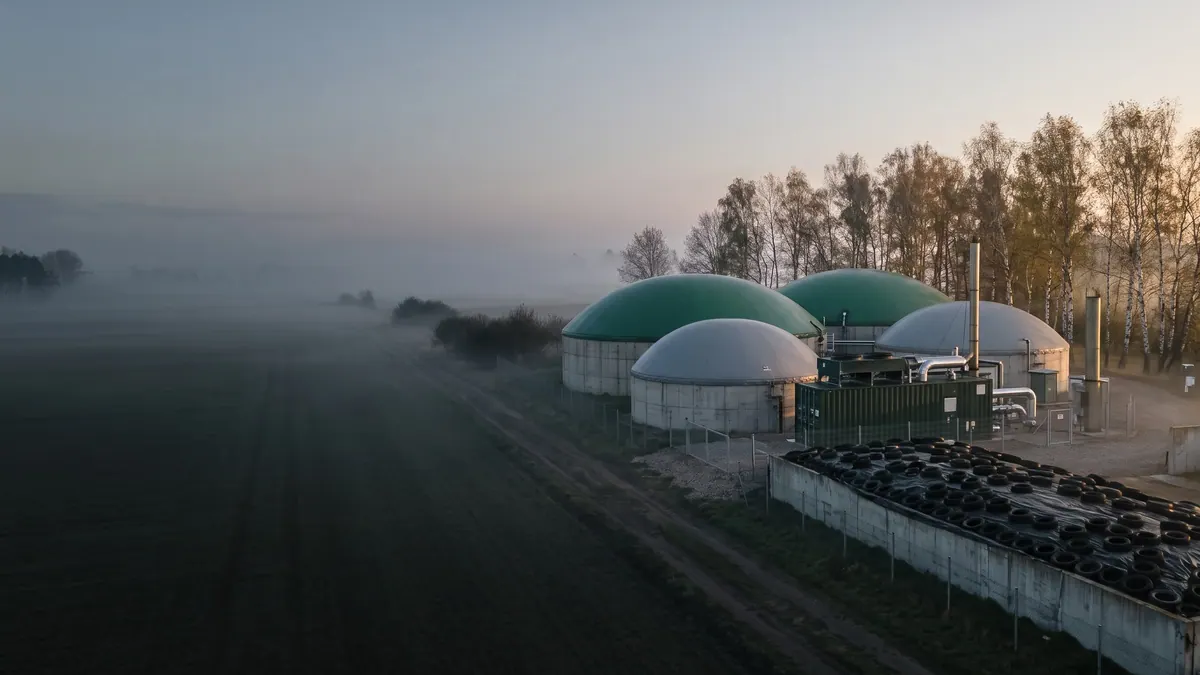
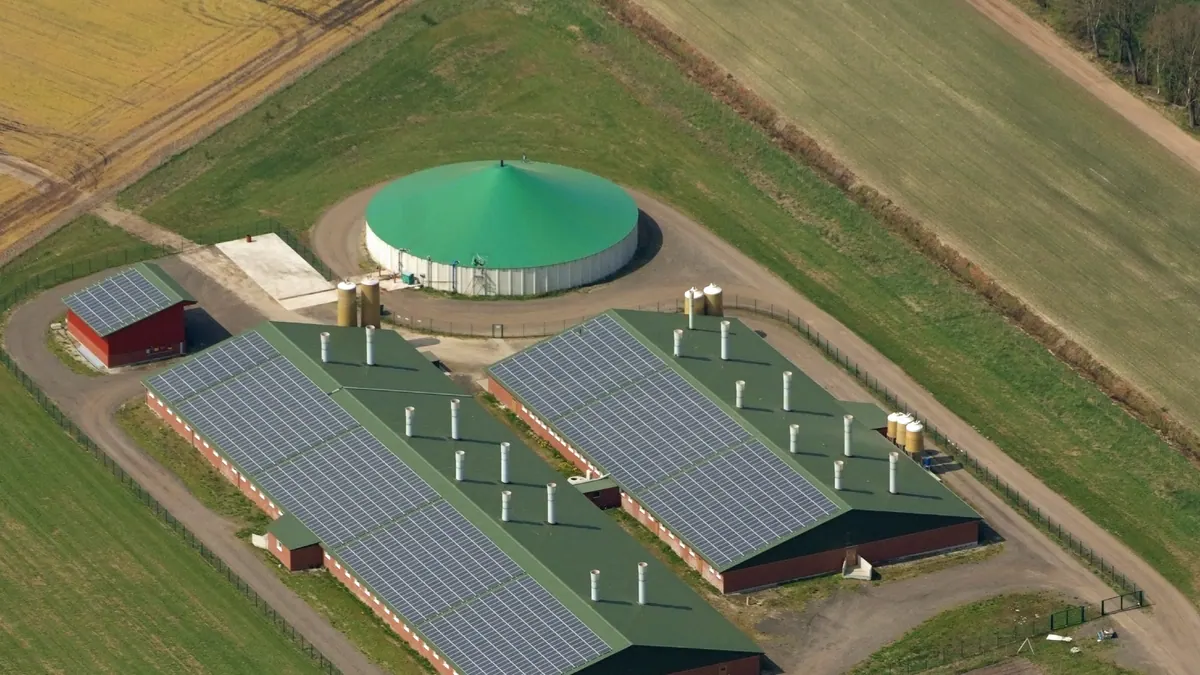
Poland has several hundred biogas plants, including, according to reports based on data from the National Support Centre for Agriculture (KOWR) from the end of May 2026, about 209 agricultural biogas plants entered in the register with a total capacity of about 840 million m³ of biogas a year, of which about 11 million m³ in the form of biomethane. Biomethane injection into the gas grid is only just beginning: according to Polska Spółka Gazownictwa (PSG, the Polish gas distribution company), the first volumes from the plant by the sugar factory in Strzelin reached the grid in 2025. The scale of biogas capacity corresponds to about 2% of national gas consumption (about 20 billion m³ a year), and studies on potential indicate values many times higher, depending on the assumptions adopted.
Market status
- Agricultural biogas plants: about 209 plants in the KOWR register (May 2026), most with cogeneration.
- The sector as a whole: industry reports speak of more than 400 operating biogas plants being exceeded (including landfill, sewage and industrial gas).
- Biomethane: the first plants injecting into the grid since 2025; operators report a large number of connection conditions issued and agreements concluded, although divergent data from different periods and sources require careful interpretation.
- Connections of further plants: announced for the coming years, dependent on construction and connections.
How to calculate the scale
840 million m³ of biogas × about 55% CH₄ ≈ 462 million m³ of methane ≈ 4.6 TWh (at 10 kWh/m³). Gas consumption in Poland is in the order of 20 billion m³ (200 TWh), so this is about 2.3%. If all of this capacity were converted into biomethane, it would still be a small share, but it is worth remembering that a significant part of the biogas is used locally in cogeneration (electricity and heat).
What the potential depends on
| Source of potential | Notes |
|---|---|
| Manure (slurry, solid manure) | a large resource, but dispersed and diluted; requires collective plants |
| Agricultural residues and intermediate crops | dependent on farming practices and competition (e.g. straw and soil) |
| Energy crops | limited by regulations and costs |
| Biowaste and food waste | growing with separate collection and processing |
| Sewage sludge | limited to large treatment plants |
| Landfill gas | gradually declining as landfilling is reduced |
Various studies estimate the total biomethane potential at from about 1 to several billion m³ a year in the perspective to 2030–2035 – without the possibility of indicating a single value, because it depends on assumptions about the availability of substrates, costs and land use. Industry articles mention values from over a dozen per cent of gas consumption upwards; they should be treated as scenarios, not forecasts.
Example: how many plants are needed for 1 billion m³
A plant with a capacity of 500 m³/h of biomethane operates 8000 h/year and produces 4 million m³ of biomethane a year. To produce 1 billion m³, 250 such plants are needed. Assuming that 1.85 m³ of biogas is needed per 1 m³ of biomethane (55% CH₄, slip 0.5%), and the average yield is 100 m³ of biogas/t of substrates, each plant needs about 74 thousand t of substrates a year – in total about 18.5 million t for 250 plants. This gives an idea of the scale of logistics and the feedstock base.
Barriers
- Connection: grid capacity, connection cost, time.
- Support: lack of predictability of mechanisms, and within them of prices and periods.
- Substrates: competition, costs, restrictions on energy crops, dispersion of manure.
- Financing: cost of capital and bank requirements.
- Permits and public acceptance.
- Competence and supply chain: availability of contractors and technologies.
Accelerating factors
- stable, long-term support mechanisms (tariffs, premiums, auctions),
- reverse compression and network expansion by operators,
- guarantees of origin and sustainability certification,
- demand from transport, industry and heating,
- EU targets (REPowerEU, RED III) and the bioCNG/bioLNG market,
- conversion of existing biogas plants into biomethane plants.
Recommendations for investors
- Start with a substrate balance and connection conditions.
- Check current support and certification regulations.
- Plan modularly and with a reserve for expansion.
- Secure substrate and sales contracts.
- Follow the data from KOWR, PSG, GAZ-SYSTEM and URE (Energy Regulatory Office).
Summary
The Polish biomethane market is at the beginning of its journey: biogas infrastructure exists, and injection into the grid has begun. The potential is significant, but its realisation depends on stable rules, connections and access to substrates. Treat the figures given as orders of magnitude and check them in the latest data.
Sources
Related articles